












Delhi HC Orders Removal of Defamatory, AI-Manipulated Content Against Raghav Chadha
BJP Rajya Sabha MP Raghav Chadha has secured major legal relief after he moved the Delhi High Court for judicial intervention to remove defamatory and manipulated AI-generated content circulating online.

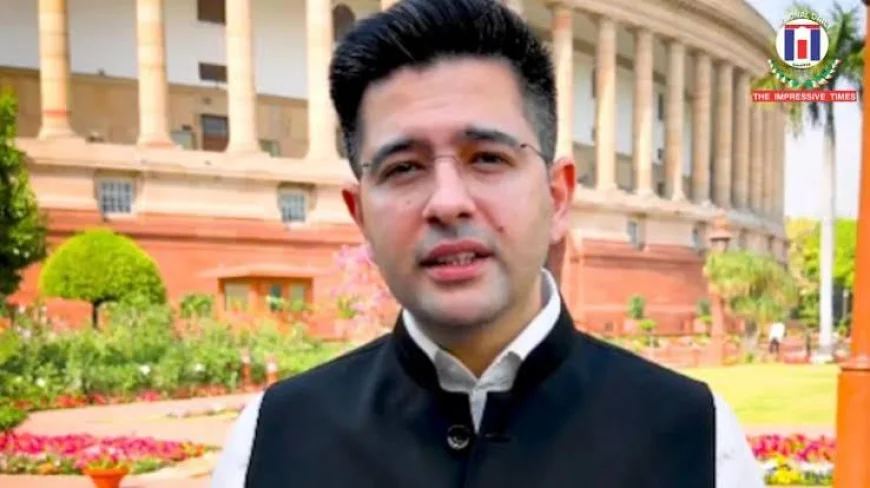
The Delhi High Court’s ruling is a massive wake-up call on how frighteningly fast technology can be weaponised in our lives. The court did intervene to help Raghav Chadha, ordering the immediate removal of the most offensive material. But it also set a very clear line in the sand on what public figures have to put up with.
This battle, beyond the usual legal headlines, reveals the chaotic, deeply human battle between personal dignity, artificial intelligence and the right of the people to criticise politicians.
The Thin Line Between Criticism and Libel
It’s wild to think about what even started this courtroom battle. It wasn’t just angry tweets or vicious political commentary aimed his way. It was a heavily manipulated video with altered visuals and AI-generated voice clones to make him look completely corrupt.
Then the court had to step in. Falsely fabricating evidence (using a machine to mimic someone's face and voice to make it look like they are confessing to a crime) is not "free speech". It is a malicious attack that seeks to ruin a person's reputation forever before they can defend themselves.
There is no “public figure image shield".
Chadha won the battle to get the fabricated posts taken down but got a reality check from the court on another front. His lawyers had argued for special blanket protection for his face, voice and likeness -- the kind of "personality rights" routinely given to Bollywood stars so that others can't use their image without their permission.
The judge simply said no. The court underscored a hard, human truth: When you take on the role of a public representative, your behaviour and your image become part of the public conversation. If the law granted politicians an absolute shield against the use of their face or voice, it would in effect make it illegal for ordinary citizens to produce political cartoons, parody videos, or incisive, satirical critiques.
The Deepfake Problem
The case is a stark reminder of the reasons our legal system is lagging behind modern technology. In the past, if you wanted to smear a public figure, you had to write an article or spread a rumour. With a basic laptop today, you can make a synthetic voice clone that sounds flawlessly real, making it nearly impossible for the average person scrolling through their feed to tell the difference between fact and fiction.
The court may have spared Chadha from outright falsehoods, but the ruling is a stark reminder of the real cost of public life: you can shield yourself from deepfakes, but you can never use the law to hide from the judgement of the public.
What's Your Reaction?
 Like
0
Like
0
 Dislike
0
Dislike
0
 Love
0
Love
0
 Funny
0
Funny
0
 Angry
0
Angry
0
 Sad
0
Sad
0
 Wow
0
Wow
0