























India Launches World's First Nuclear Heat-Based Hydrogen Production Facility
Kalpakkam, a major milestone in clean energy and sustainable hydrogen production, has seen India commission the world's first nuclear process heat based hydrogen production facility.

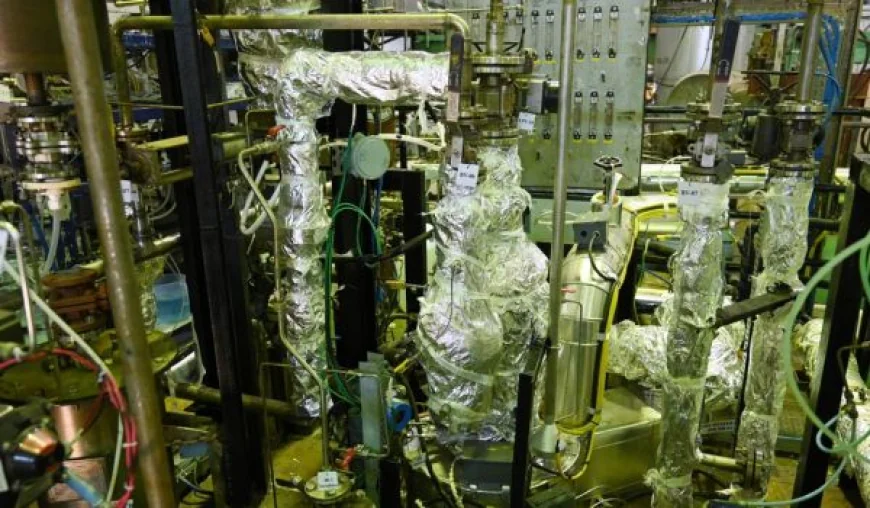
Beneath the technical names of "copper-chlorine thermochemical cycles", “process heat", and “technology demonstrators” is an extraordinary story of human ingenuity and relentless curiosity. For years, the global race to develop clean, green hydrogen fuel has been held back by a frustrating paradox: producing hydrogen from water needs vast amounts of electricity – electricity that is still often generated by burning coal or gas.
A team of dedicated home-grown scientists has quietly built a bridge to a healthier planet by finding a way to use a nuclear reactor’s own trapped, intense heat to release clean fuel from water.
“What we’re witnessing here is the very human effort and real-world hope at the core of this breakthrough, reduced to the complex laboratory jargon:
A Smart Way to Work with Nature
Why is this a milestone? Think of the vast amount of energy it normally takes to tear a water molecule apart. Instead of simply blasting it with heavy electrical currents, the scientists at BARC and IGCAR spent years working out a much smarter and gentler way.
They came up with a special chemical system that is basically a super advanced, super hot pressure cooker. The Kalpakkam reactor already produces intense, volcanic-level heat naturally while running. By redirecting this heat into this system, they can split water into clean hydrogen fuel without straining the power grid. This is recycling at its most extreme, taking energy that already exists and using it to make something brand new.
Years of hard work at night in silence
Dr Ajit Kumar Mohanty was looking at the fruits of years of human grit when he walked up to the podium at the Kalpakkam facility to inaugurate it. This wasn't bought off the shelf; this was built from scratch.
That headline is the culmination of years of painstaking, unglamorous work by Indian engineers, designing blueprints, custom-making one-off metal parts and repeatedly testing dangerous high-heat systems to make sure everything was totally safe. It's a testament to their patience, to their belief that a sustainable future is worth fighting for.
Why This Matters To All of Us
It’s tempting to regard nuclear physics and chemical engineering as abstract ideas with little connection to everyday life. But the stakes are very close to home:
A Source That Never Sleeps Unlike solar panels or wind turbines, which depend on the cooperation of the weather, this nuclear-heated system can run day and night, generating a steady, unflinching flow of clean fuel whether the sun is shining or the wind is blowing.
Healing the Air We Breathe The hydrogen produced here can be used to power heavy transport and clean up huge industries in the future – such as steel and fertiliser manufacturing – which are traditionally the biggest polluters of our atmosphere.
This plant is ultimately a living proof of concept. It’s a reminder that we don’t have to choose between moving ahead with our modern world and protecting the air our children breathe. It takes a lovely, theoretical dream of a carbon-free future and pins it to the ground.
What's Your Reaction?
 Like
0
Like
0
 Dislike
0
Dislike
0
 Love
0
Love
0
 Funny
0
Funny
0
 Angry
0
Angry
0
 Sad
0
Sad
0
 Wow
0
Wow
0