



















Venezuela Earthquake Aftermath: Hospitals Overwhelmed as Rescue Teams Race Against Time
Rescue teams and hospitals in Venezuela are struggling to deal with the aftermath of devastating earthquakes that have left widespread destruction, thousands displaced and medical facilities overwhelmed.

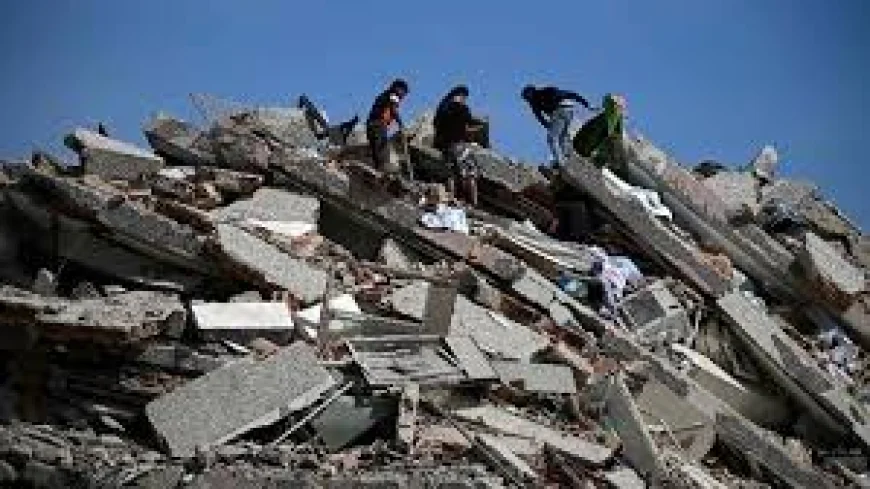
Race against time to save lives under the rubble
Venezuela's streets are a nightmare of the waking sort. Rescue workers and weary volunteers are racing against time after a series of devastating earthquakes brought a heavy, heartbreaking reality. Armed with only shovels, rescue dogs and bare hands, they dig through mountains of shattered concrete and twisted metal, listening desperately for any sign of life trapped in the ruins.
Entire neighbourhoods have been completely cut off from the outside world. Electricity is out, water lines are broken, cell towers are down and families are walking through streets filled with debris in near-total darkness searching for missing loved ones. Dust fills the air thick, and the familiar scent of disaster suffocates an already impossible rescue mission.
Emergency Rooms Are Stretched Well Beyond the Breaking Point
But for those pulled from the rubble, the fight is far from over. Local hospitals are completely overwhelmed, more like triage zones in a war zone than medical facilities. Doctors and nurses are working on adrenaline, on double and triple shifts, seeing a constant stream of horrific injuries and broken bones.
The conditions in the wards are harrowing. The situation for supplies is dire – there are not enough beds, basic medicines and clean bandages to go around.
A local nurse said, "We are doing all we can, but we are fighting a losing battle with lack of resources. “We are taking care of people in hallways and outside in tents and just trying to keep people alive.
Homeless, scared to live. Population of
There is also a huge humanitarian tragedy unfolding in plain sight, beyond the injuries. In seconds, their homes have turned to dust, and hundreds of thousands of families are now packed into emergency shelters. There’s little space, and resources such as clean drinking water and food are dangerously low, sparking immediate fears that disease could soon sweep through the camps.
The mental toll makes the problem worse. The ground keeps shaking, and each and every aftershock triggers a new wave of panic that sweeps through the crowds. They will not approach any standing building; they will sleep on the hard asphalt of open plazas so as not to be buried alive. The country has a long, painful road to recovery years ahead of it, and the search for survivors goes on.
What's Your Reaction?
 Like
0
Like
0
 Dislike
0
Dislike
0
 Love
0
Love
0
 Funny
0
Funny
0
 Angry
0
Angry
0
 Sad
0
Sad
0
 Wow
0
Wow
0