





























Paroxetine May Offer New Treatment Approach for Rosacea, Study Finds
A new study suggests that paroxetine could be used to treat rosacea by influencing neurovascular-immune pathways involved in the chronic skin disorder, offering a novel therapeutic strategy.

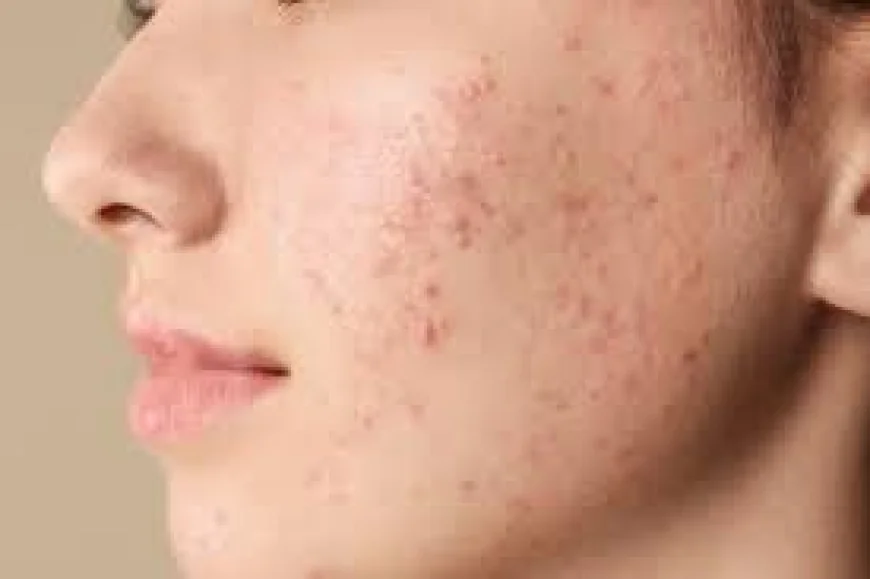
In the ongoing war against rosacea, scientists have found a new and interesting piece of the puzzle, unearthing that a popular antidepressant could play a double role as an ultra-targeted skin drug.
The new research shows that paroxetine does not just mask symptoms, it seems to directly interfere with the complex biological loop – the neurovascular-immune network – that drives this chronic inflammatory skin condition. The breakthrough could provide a vital lifeline for people with severe, stubborn rosacea that just refuses to clear up with standard creams or antibiotics.
Decoding the Secret Web of the Skin
For a long time dermatologists have treated rosacea mainly as a common problem on the surface of the skin. But anyone who lives with it knows that it is far more reactive than that. It causes sudden flushing, persistent redness, burning and acne-like bumps on the face. The symptoms are caused by the chaotic triad of an overactive immune system, misfiring nerves and abnormally dilated blood vessels.
A new study shows that paroxetine fits right in at this juncture. The medicine helps to treat not just the surface inflammation, but to:
Calm Immune Responses: It actively reduces the underlying inflammation that keeps the skin in a constant state of alarm.
Stabilises blood vessels by modulating abnormal vascular activity, targeting the root cause of sudden, intense facial flushing.
Resets Nerve Signalling: It helps to modulate hyper-reactive nerve pathways that can help to reduce the painful burning and stinging sensations associated with flare-ups.
A Much Needed Shift Towards True Relief
What’s so exciting about these findings is that currently available standard treatments tend to only focus on temporary symptom control, rather than the underlying biological breakdown. “The study shows how a drug can reshape and normalise these interconnected cellular pathways. And it opens the door to a much smarter, more comprehensive way to treat the condition.”
But dermatologists advise patience before any hasty changes. The early data is very encouraging, but scientists say more large-scale clinical trials are needed to determine the exact optimal dosages, monitor any potential long-term side effects, and confirm its safety profile for skin health alone. If these initial findings are confirmed in future trials, this well-known drug could soon become a mainstay of modern dermatology, offering deep, individualised relief to millions grappling with their skin.
What's Your Reaction?
 Like
0
Like
0
 Dislike
0
Dislike
0
 Love
0
Love
0
 Funny
0
Funny
0
 Angry
0
Angry
0
 Sad
0
Sad
0
 Wow
0
Wow
0