























India Strengthens Fight Against Hepatitis With Free Screening, Diagnostics and Treatment
India is expanding hepatitis prevention and treatment services under the National Viral Hepatitis Control Programme to meet its 2030 target. The initiative provides free diagnostics and medicines for hepatitis B and C while integrating screening, vaccination and care with other national health programmes.

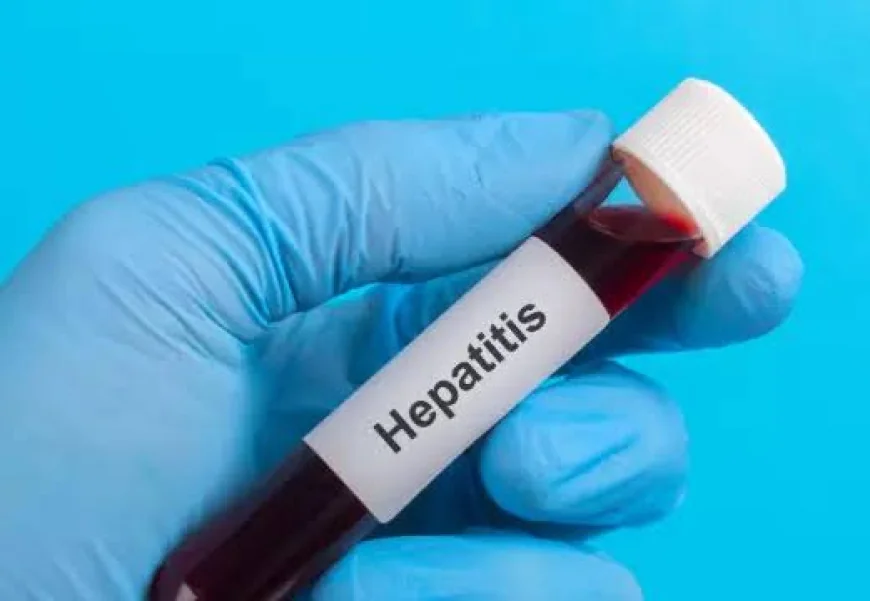
India ramps up effort to eliminate hepatitis by 2030
India is making a mammoth national effort to counter hepatitis head on, with an ambitious goal of eradicating the disease from the public health landscape by 2030. With help from the National Viral Hepatitis Control Program, authorities are gradually breaking down the financial and logistical barriers that often prevent people from getting tested. Instead of addressing the disease in isolation, the government has integrated testing and treatment into existing health programmes, providing free diagnostics and medicines to keep poor families from bearing the high cost of treatment.
The approach varies from local health initiatives to high-level medical testing. Hepatitis A and E are typically spread by poor food hygiene and dirty drinking water, but the much more dangerous chronic strains, B and C, are spread mainly through blood contact or from mothers to newborns. Vaccines are now being injected directly into maternity wards, and free screening camps are being set up to catch infections early before they can develop into life-threatening liver cancer or cirrhosis.
Specific Medical Treatment for Various Strains
It is not a one-size-fits-all game. The strains of viral hepatitis behave quite differently in the human body. Hepatitis A and E normally cause acute, self-limited outbreaks related to unsanitary conditions and typically resolve spontaneously with adequate rest and hydration. On the other hand, Hepatitis B and C need long-term medical management.
Fortunately, medicine has made great strides. Now, direct-acting antiviral pills can cure hepatitis C completely in a matter of weeks, a huge relief for patients who once faced years of gruelling therapy. The country relies almost solely on a strict infant vaccination schedule for hepatitis B that ensures newborns get their first shot within hours of birth. Public health workers are also targeting high-risk groups, including healthcare staff and people who inject drugs, with free screenings and preventative shots to stop the virus in its tracks.
Making sure healthcare services are available in all parts of the country
The real thrust of India’s current campaign is to decentralise care, moving treatment out of packed city hospitals and pushing it down to local community health centres. Health officials are making do with what they have, squeezing every rupee out of screening capacity with existing laboratory equipment bought for tuberculosis testing and blood banks.
Citizens seeking guidance don’t even have to guess where to go, with a toll-free hotline linking them directly to testing sites near them and expert advice. This common impulse is part of a broader national spirit of not leaving anyone behind in healthcare. “The country is slowly winning the fight against a silent epidemic as the number of tests rises and generic drugs become available.
What's Your Reaction?
 Like
0
Like
0
 Dislike
0
Dislike
0
 Love
0
Love
0
 Funny
0
Funny
0
 Angry
0
Angry
0
 Sad
0
Sad
0
 Wow
0
Wow
0