

























PVC Microplastics May Weaken Radiotherapy Response Through Immune Changes, Study Finds
Researchers found PVC microplastics in liver tumours may interfere with CD8+ T-cell activity and reduce radiotherapy response, but clinical confirmation is still needed.

Toxins In Our Bodies That Are Blocking Cancer Treatments
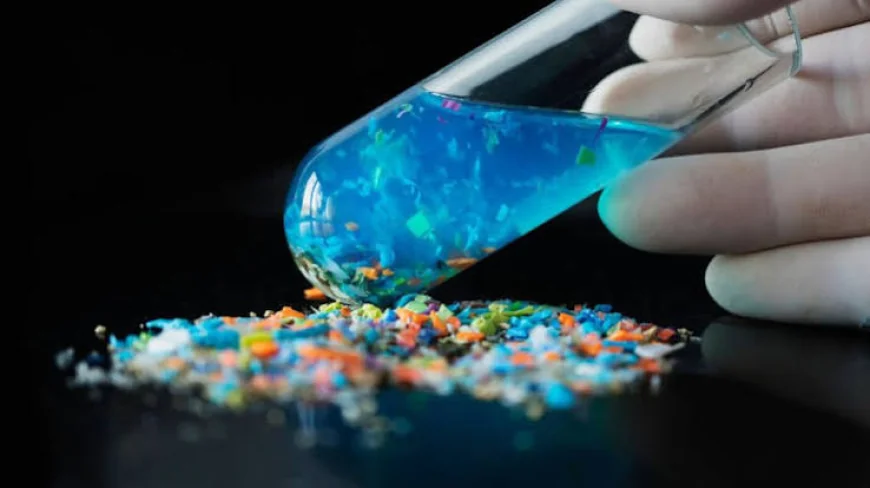
Science continues to reveal disturbing facts about how modern environmental pollution seeps into our everyday lives, but a recent discovery takes it to a terrifying new level. Tiny plastic particles don’t just float in our oceans or sit in our soil; they can actually invade human tumour tissues, scientists in oncology and environmental toxicology have found. What’s more disturbing is that these tiny invaders are actively undermining the power of radiation therapy against cancer.
For decades, doctors have judged the success or failure of radiation treatments solely on the genetics and biology of the tumour in the patient. But now laboratory models are showing that ubiquitous plastic polymers like polyvinyl chloride and polystyrene are throwing wrench after wrench into medical interventions.
How Plastic Particles Turn Off Your Immune Defenses
The way these tiny fragments screw up treatment is a kind of stealthy, biological sabotage. Studies on liver cancer models have shown that PVC particles can interfere with cholesterol in tumour cells. This biochemical switch causes a dramatic change in the development and behaviour of key immune cells, essentially creating what clinicians call an "immunologically cold” environment.
The body’s own immune system usually kicks into gear to hunt down damaged cancer cells, giving radiation therapy a helpful boost. But if microplastics suppress those crucial T-cells, then the cancer is given a free pass. The body’s own defences don’t recognise the threat, so the radiation isn’t nearly as effective as it should be.
At the same time, models of lung cancer demonstrated that fragments of polystyrene activate persistent cellular pathways that block cell death. Radiation uses intense oxidative stress to cook cancer cells, but these plastics guard the tumour by preventing those destructive pathways.
Combatting Environmental Interference
Knowing that daily pollution is silently shielding tumours from life-saving medicine is a huge wake-up call for the medical community. It shows that our environmental crisis is not just an ecological headache but is directly interfering with human health care.
Scientists now know how these particles muck up cellular metabolism and lipid pathways and are already looking for ways around it. Researchers are experimenting with combination therapies, such as using certain drugs to flush out metabolic interference and kick the immune system into action, to try to force resistant tumours back into submission. The fight against ubiquitous plastic pollution is an enormous global challenge, but understanding how to outsmart its biological side effects within the human body gives physicians an opportunity to fight back.
What's Your Reaction?
 Like
0
Like
0
 Dislike
0
Dislike
0
 Love
0
Love
0
 Funny
0
Funny
0
 Angry
0
Angry
0
 Sad
0
Sad
0
 Wow
0
Wow
0