























H-1B Visa Changes Not Aimed at Indians, Says US Envoy Sergio Gor
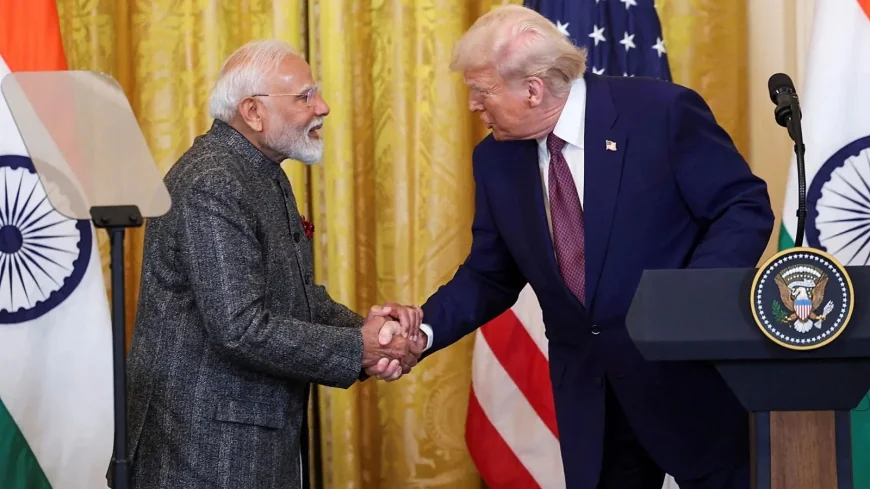
Changes to the H-1B visa programme are part of broader immigration reforms of the Trump administration and not targeted at Indians, the US envoy, Sergio Gor, said.

Modifying Policies, Shared Concerns
As fears grow among workers around the world, the United States is trying to justify sweeping changes to its immigration laws. While procedural frameworks are being developed, officials are sending a message of universal restructuring, not singling out any one group:
Reassurance: US envoy Sergio Gor has clarified that the ongoing overhaul of the H-1B visa system is not aimed at Indian professionals, saying the changes are part of a broader domestic initiative.
Scope: The policy change is intended to review and revise rules for all visa types. The officials said the changes are part of a broader push to enhance enforcement and address long-standing systemic weaknesses.
The human toll behind the visa numbers
Behind the legal language of "restructuring", “visa categories", and “systemic loopholes” are the very personal stories of real people, families, and long-held dreams. For thousands of Indian techies and students, an H-1B visa is more than just an official document but a hard-won way to a future they have been working towards for years.
Living in the shadow of the unknown
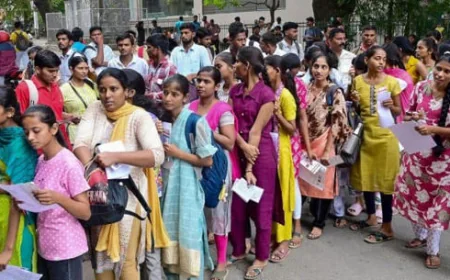
To see what this statement looks like in practice, you have to go deep into the lives of the people waiting for updates. These are young engineers who have worked countless late nights, families who have invested their life savings into an overseas education, and professionals who have built real homes, friendships and lives in communities throughout the United States.
When policy debates make headlines, they bring a heavy, unseen anxiety into daily life. Suddenly, simple decisions – renewing a home lease, buying a car, and planning a trip back home to visit ageing parents – become high-stakes gambles. When they hear an official diplomatic assurance, they have a moment of relief, a reminder that the systemic adjustments are not a personal rejection of their hard work.
The craving for clarity
This is just a facetious statement. It is a basic human fact that the changes are not directed at a specific nationality but are part of a larger overhaul. It recognises the deep anxiety of a community that is over-represented in the skilled workforce and reassures it that its presence is not being singled out for elimination.
As the rules evolve and companies figure out how to apply the new guidelines, the real hope for families on both sides of the ocean remains the same: they want fairness and predictability. Average people aren’t scared of hard work or strict rules; they want a steady environment where their effort is recognised and their dreams aren’t blown to smithereens by a sudden change in administrative policy
What's Your Reaction?
 Like
0
Like
0
 Dislike
0
Dislike
0
 Love
0
Love
0
 Funny
0
Funny
0
 Angry
0
Angry
0
 Sad
0
Sad
0
 Wow
0
Wow
0