

















Can Krishna Byre Gowda Revive Bengaluru? New Development Minister Takes Hands-On Approach
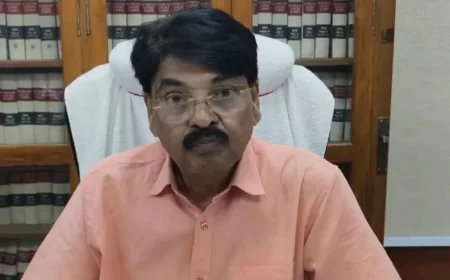
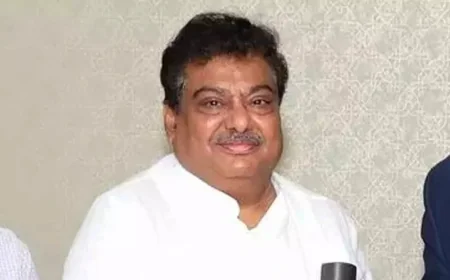
Bengaluru's civic woes have a new champion. Karnataka minister Krishna Byre Gowda has hit the ground running with an aggressive, hands-on approach. His appointment has raised hopes of better accountability but questions remain whether the move has come too late to tackle the city’s mounting infrastructure problems.

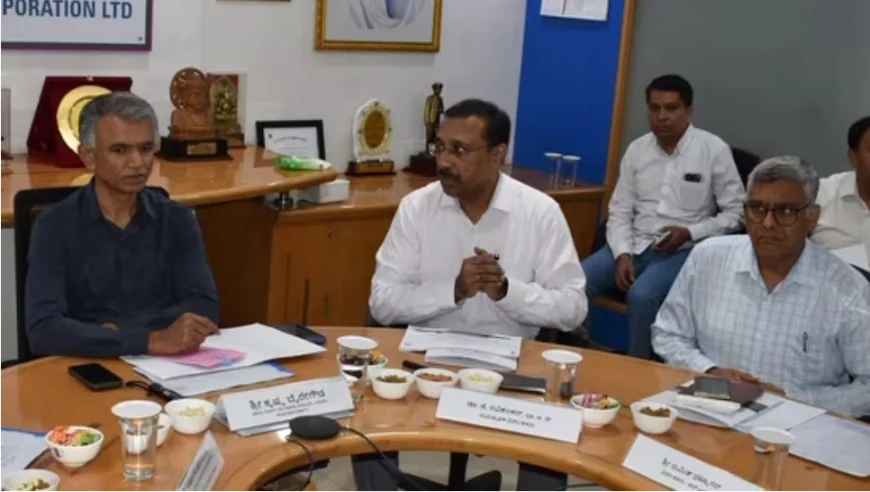
Running a fast-growing city like Bengaluru is arguably one of the toughest jobs in governance – just ask anyone who has been stuck on a flooded road or dodged massive potholes during a single rush hour.
Underneath the formal press releases about the new leadership pushing urban development, the early days in office show a minister trying to project intense urgency. But he is facing a very profound, decades-old structural crisis.
The Reality of the On-Ground Blitz
For frustrated residents, an aggressive, hands-on routine of holding spot inspections, visiting drainage projects and demanding answers directly from civic officials is a welcome change of pace. There is no honeymoon period for new leadership, with monsoon season putting pressure on the city’s infrastructure.
The Immediate Focus: Attention has undoubtedly been drawn to the most pressing pain points—holding those responsible for broken drainage links, delayed public works, and the infamous road conditions that mar daily commutes.
The aim is to slash bureaucracy, get disparate government departments to really communicate and accelerate delayed projects before the public's patience finally snaps. To achieve this, the ministers will be stepping out of the office and onto the streets.
Why One Person Can't Fix a City Fast
This energetic, see-it-in-action approach is refreshing, but urban planning experts and long-time residents are naturally sceptical. The problems of a tech capital are not just a lack of will; they are structural.
Fragmented Governance One of the big challenges of any large city is that the agencies that manage roads, water, utilities, and public transportation tend to operate in their own isolated silos. It is a struggle to get these separate entities to work together smoothly on one project.
Old infrastructure and rapid expansion The speed of urbanisation and economic growth over the last decade has completely outstripped the existing drainage and transit systems. Temporary patches are not enough when the foundational infrastructure is under this much stress.
Residents are fed up with temporary fixes that wash away with the first heavy rain. While having a minister out on the streets could boost public confidence, true transformation will only come if these morning inspections result in permanent policy overhauls and long-term investments. But for now, all eyes are on whether this proactive push can finally keep up with the city’s relentless growth.
What's Your Reaction?
 Like
0
Like
0
 Dislike
0
Dislike
0
 Love
0
Love
0
 Funny
0
Funny
0
 Angry
0
Angry
0
 Sad
0
Sad
0
 Wow
0
Wow
0