
























US-Iran Conflict Escalates as Fresh Strikes and Strait of Hormuz Tensions Raise Fears of Wider War
The United States and Iran exchanged new military strikes on Sunday, breaking a brief lull in the fighting. Iran has once again claimed to have closed the Strait of Hormuz, sparking fears of a wider regional conflict.

The fragile peace architecture between Washington and Tehran has collapsed and given way to a volatile exchange of fire across West Asia. The military flare-up has again brought shipping to a near-standstill in the strategic Strait of Hormuz, threatening global energy supply lines and raising fears of a wider, long-term conflict.
The immediate catalyst for the collapse was the targeting of three commercial cargo vessels in the waterway, including the M/V GFS Galaxy off the coast of Oman. The attack on the Galaxy brought international stakes directly into the crisis, Omani forces managing to rescue 10 of the 11 Indian national crew members on board, with one still missing at sea.
The Fight for Control of the Strait
The breakdown of a preliminary Memorandum of Understanding (MoU) that had created a tentative truce is rooted in an intense tug-of-war over who gets to dictate terms in the world’s most critical oil chokepoint:
The Iranian Mandate Tehran contended that the interim truce involved the right to regulate maritime traffic. All commercial vessels were directed by the Islamic Revolutionary Guard Corps (IRGC) to follow a specific, coordinated route near the Iranian coast.
The U.S. Red Line: The United States and its allies saw these restrictions as an unlawful Iranian effort to unilaterally seize control of an international shipping lane.
The Breaking Point: Iranian forces fired “warning shots” and hit the vessels when cargo ships took different routes. U.S. President Donald Trump was quick to tweet that the ceasefire was officially “OVER!” and he revoked the temporary sanctions waiver that had allowed Iran to export oil.
CENTCOM Launches Series of Airstrikes
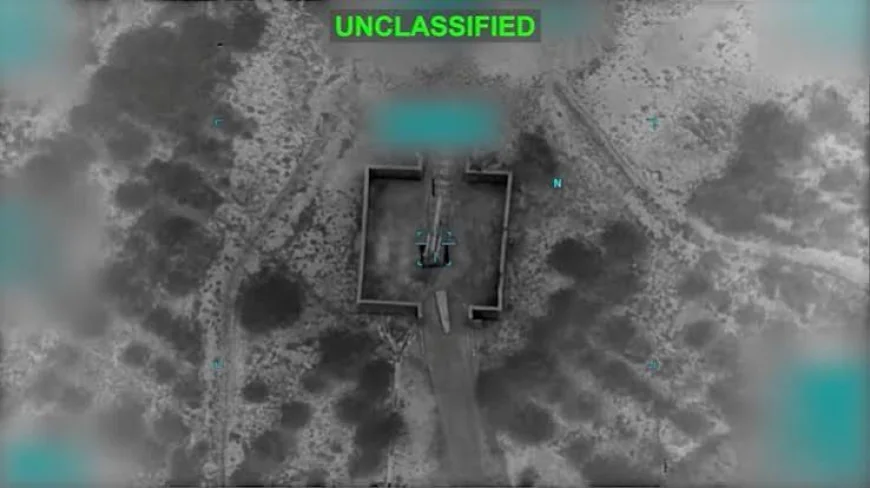
U.S. Central Command (CENTCOM) responded to direct orders from the White House by launching heavy, multi-night precision bombing campaigns throughout southern Iran to degrade its maritime attack capabilities.
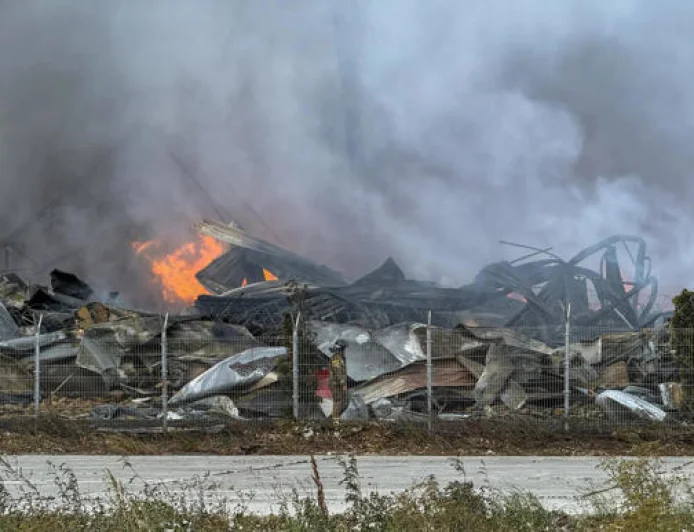
American forces struck more than 80 targets using precision munitions – coastal radar installations, command and control hubs, anti-ship missile sites, air defence networks and dozens of IRGC small boats. The key port cities of Bandar Abbas and Sirik, Abu Musa Island, and the coastal areas of Bushehr province were hit by explosions. U.S. officials said the attacks on the ships may have been a deliberate provocation by Iranian hard-liners to undermine diplomatic progress made by moderate negotiators.
IRGC retaliates against US bases
The IRGC immediately retaliated with waves of missiles and drones, deliberately escalating the conflict to target American military footprints hosted by neighbouring Gulf Arab nations:
Kuwait & Bahrain: Iranian missiles and drones struck U.S. installations, including the Navy’s Fifth Fleet headquarters in Bahrain, where sirens sounded all night. Kuwaiti air defence systems were forced to engage to intercept incoming targets.
Qatar: Strategic centres of gravity like Al Udeid Air Base were targeted, threatening Doha’s fragile position as a major diplomatic intermediary between the two belligerents.
Oman & Jordan: Drones and missiles crossed the borders of the region, with three Iranian missiles landing in Jordanian territory and surprise drone strikes hitting northeastern Oman.
President Trump has said he wants to keep diplomatic channels open, even in the face of heavy exchanges, and his team will continue negotiations if Tehran publicly commits to stopping all attacks on international shipping. But with thousands of seafarers stranded and oil prices skyrocketing, international observers say time is running dangerously short before this game of brinkmanship spirals out of control.
What's Your Reaction?
 Like
0
Like
0
 Dislike
0
Dislike
0
 Love
0
Love
0
 Funny
0
Funny
0
 Angry
0
Angry
0
 Sad
0
Sad
0
 Wow
0
Wow
0