



















'Trying to Turn Citizens Into Slaves': Bombay High Court Slams Mumbai Police Over Activist's City Ban
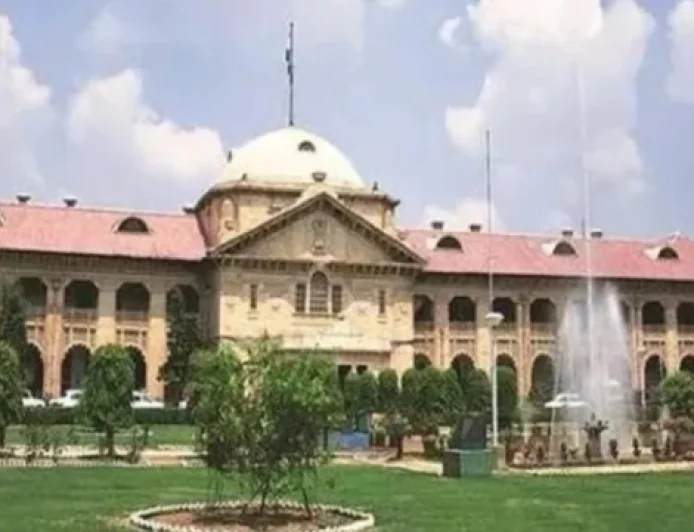
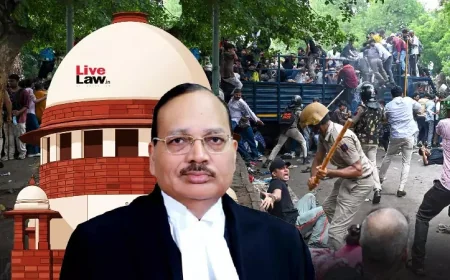
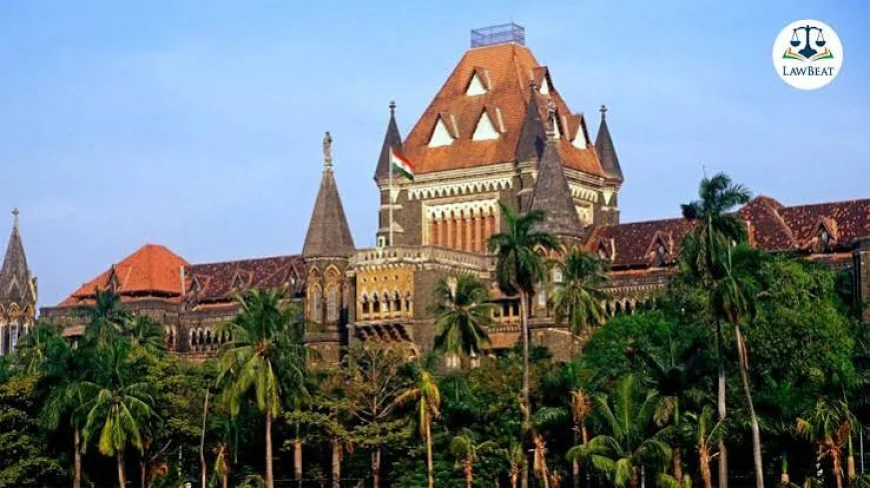
The Bombay High Court has lashed out at Mumbai Police for an externment order against a political activist, saying constitutional rights cannot be curtailed to suppress dissent. Justice N.J. Jamadar had questioned the legality of the exercise of preventive powers against critics.

Imagine waking up in the morning and hearing a knock on the door, and the police handing you a piece of paper telling you that you are officially banished. Your bags are packed; you have to leave your home, your family, your job, and your neighbourhood. You can't go back to your own city for a year.
That's an 'excellent order'. It is a modern, legal form of banishment, once reserved for dangerous gang leaders or violent criminals who terrorise communities. But this time the Mumbai Police didn’t use it on a mob boss; they used it on a political activist.
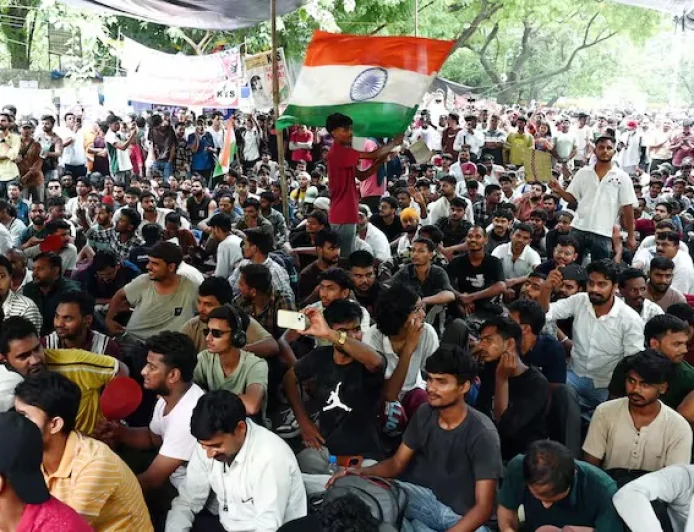
And his only real "crime"? He staged peaceful protests and openly criticised the government.
The Human Fight: Kicking a Critic Out, Silencing Him
Behind the cold legalistic words like “preventive policing” is a scary reality of how power can be abused. The activist was not charged with injuring anyone or stealing anything. He was just a guy on street corners, organising marches and raising his voice to question the powers that be.
But his voice was too loud, his protests too awkward for the local authorities.
Rather than respond to his criticisms, the police exploited a loophole. They looked at old complaints on his record, which were only for holding peaceful rallies without their official stamp of approval, and used them as an excuse to kick him out of the city altogether. It was an attempt to break his spirit completely, to destroy his life and send a chilling message to anyone else who might think of speaking up: Shut up or we'll take your home away.
A Judge Who Defends the Little Guy, Furiously
When this case came before the Bombay High Court, the judge didn’t just look at the case files, but he looked at the human injustice of it all. He saw a system that was attempting to bully an ordinary citizen into submission.
In a strikingly raw and human moment that cut through all the usual civil court niceties, the judge looked directly at the police and posed a question that goes to the very heart of human dignity:
“Do you want to make slaves out of the citizens?”
The anger of the judge was evident. He reminded the court that India is not a kingdom where rulers expect their subjects to obey them blindingly and silently. It’s democracy. If a citizen feels the government is not doing a good job, they have every right to stand on a pavement and say so.'
Why This Is Important To All Of Us
The High Court completely demolished the police justification and threw out the exile order in its entirety.
“The judge was clear that it is totally unacceptable to treat political criticism as a threat to public safety. Freedom of speech is a fundamental right, not a criminal act. He stressed that expelling a person from their home town is an extreme measure for real threats to society, and to use it as a standard punishment to suppress protests turns free citizens into instruments of the state.
The court also told the officers in the room of a truth that those in power often forget: the police work for the people, not the politicians in office right now.
This ruling is a huge win for the common person. It means your city belongs to you, not to the politicians in power or the police officers on the street. It draws a fierce line in the sand, making sure that no matter how powerful the government gets, they cannot just cast you out of your own life because they don’t like what you have to say.
What's Your Reaction?
 Like
0
Like
0
 Dislike
0
Dislike
0
 Love
0
Love
0
 Funny
0
Funny
0
 Angry
0
Angry
0
 Sad
0
Sad
0
 Wow
0
Wow
0