









NATO Summit in Turkey: Trump and Alliance Leaders Discuss Europe’s Security Future
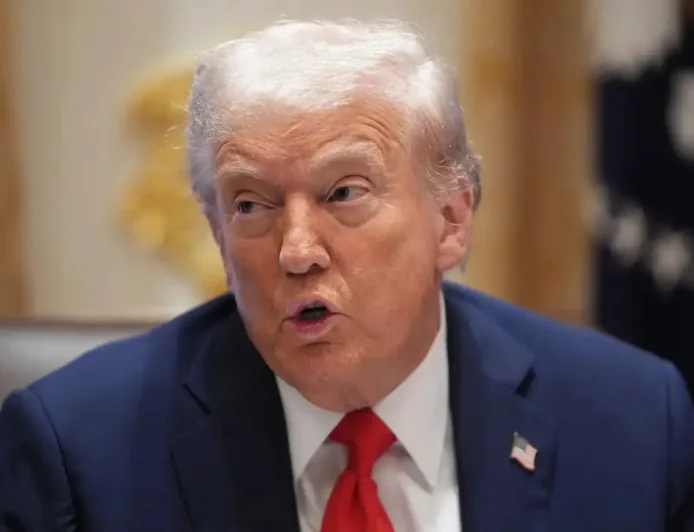
President Donald Trump will join NATO leaders in Turkey for a key summit on the alliance’s future, defence spending and Europe’s security, as Washington re-evaluates its military commitments.

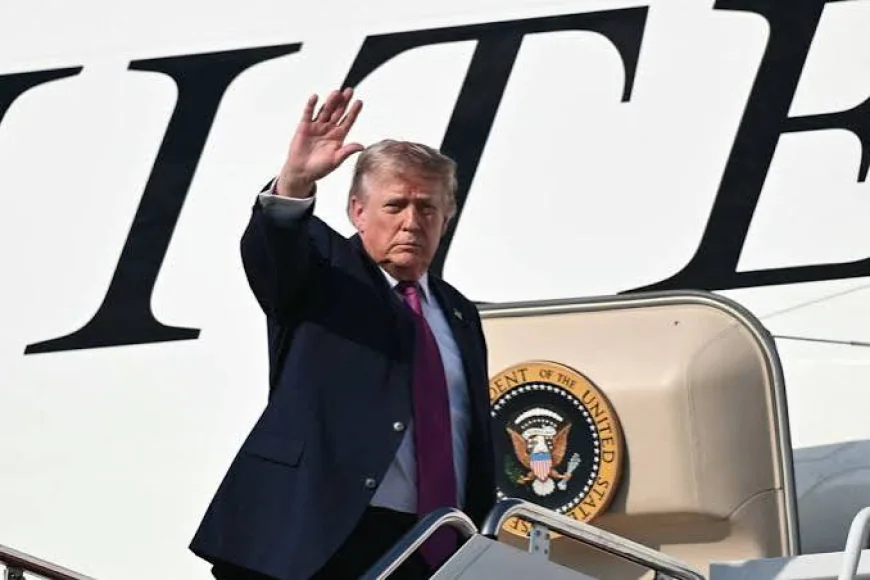
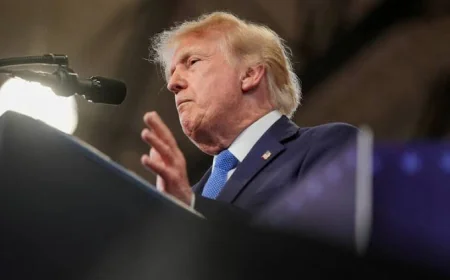
The highly anticipated NATO summit is officially underway in Ankara, Turkey, and the mood inside the Presidential Complex is noticeably tense. As leaders from the 32 member states gather, the traditional focus on collective defence has been entirely overshadowed by intense pressure from the United States, with Donald Trump aggressively demanding that European nations immediately take financial and military responsibility for their own continent.
This year's summit marks a critical turning point for the alliance, as Washington signals a deliberate and historic pullback from its traditional role as Europe’s primary security guarantor.
1. The 5% Ultimatum
NATO Secretary General Mark Rutte has spent the opening hours of the summit trying to manage expectations and mollify an unpredictable American president. Rutte publicly called on European allies to present "clear, concrete, and credible plans" to immediately accelerate their military budgets.
The benchmark has shifted dramatically:
-
The New Spending Demand: Moving far beyond the historical 2% target, Trump expects all allies to get on an urgent path toward spending a staggering 5% of their GDP on defence—allocating 3.5% directly to core military requirements and 1.5% to domestic security infrastructure like roads, bridges, and ports to facilitate troop movements.
-
The Procurement Push: To demonstrate immediate delivery, European members are utilising the summit’s sidelines to unveil tens of billions of dollars in new arms contracts, a direct attempt to prove to Washington that they are stepping up.
2. Deepening Transatlantic Fractures
The pressure comes at a time when relations between the U.S. and its traditional European allies have reached a multi-year low. European leaders are arriving in Ankara dealing with compounding diplomatic strain.
-
The Iran War Aftermath: Trump remains highly critical of European allies, publicly accusing them of security "freeloading" after some NATO nations baulked at fully supporting recent U.S. military operations in Iran and efforts to reopen the Strait of Hormuz.
-
The Domestic Cutbacks: Compounding European anxieties, Trump's recent downsizing of the U.S. military presence in Europe—from combat brigades to submarines and fighter jets—has forced European member states to quickly fill the void and accelerate their own combined deployments.
-
Counter-Alliances Forming: Leaders like British Prime Minister Keir Starmer and German Chancellor Friedrich Merz are actively working the summit floors to connect with other European heads of state, attempting to build a unified continental bloc to act as a diplomatic counterbalance to Washington.
3. Erdoğan’s Power Broker Stage
For Turkish President Recep Tayyip Erdoğan, hosting the summit at his Beştepe Presidential Compound is a massive geopolitical victory. He is skilfully using the event to position Turkey, which holds the largest NATO army in Europe, as the indispensable bridge between East and West.
While enforcing an incredibly strict local lockdown on anti-NATO protests in Ankara and Istanbul, Erdoğan has successfully leveraged his personal relationship with Trump. Trump openly admitted to reporters that he likely wouldn't have even attended the summit if it weren't being held in Turkey by Erdoğan, highlighting Ankara's growing strategic influence.
The Ukraine Sidebar: While Ukraine has no clear pathway to join the alliance, NATO leaders are expected to finalize a symbolic €70 billion military aid package for Kyiv during the two-day talks. However, the real diplomatic focus remains entirely on whether Trump will use his scheduled face-to-face discussions in Ankara to force an immediate framework for peace negotiations with Russia.
What's Your Reaction?
 Like
0
Like
0
 Dislike
0
Dislike
0
 Love
0
Love
0
 Funny
0
Funny
0
 Angry
0
Angry
0
 Sad
0
Sad
0
 Wow
0
Wow
0