





























Red Sea Shipping Slows Following Houthi Attacks on Saudi Arabia
Commercial shipping through the Red Sea has declined following Houthi attacks on Saudi Arabia. Data showed that only 11 commodity vessels passed through the Bab el-Mandeb Strait on July 26, the lowest level recorded in months.

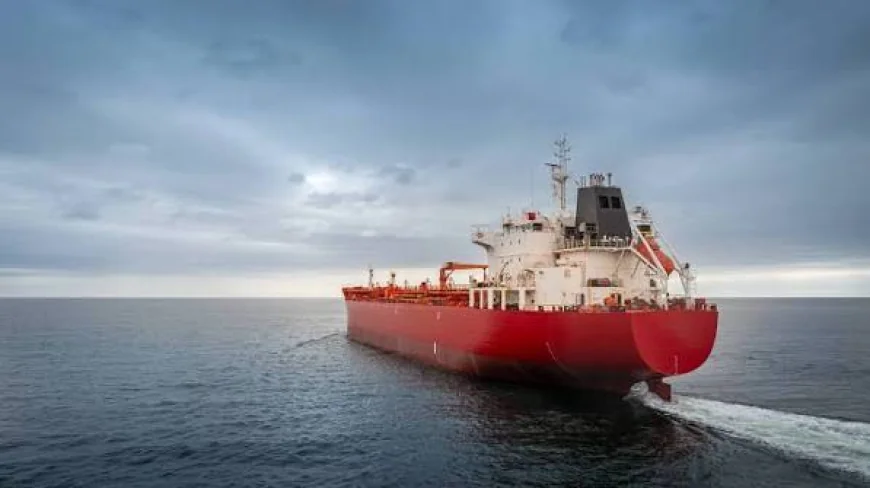
Red Sea Freight Plummets as Strike Threats Freeze Transit Lanes
Maritime traffic through the critical Bab el-Mandeb chokepoint ceased over the weekend with tracking numbers showing a dramatic drop to only eleven commodity vessels transiting. This sudden nose-dive is on the weakest daily volume in months, and shows just how fast local military flare-ups can sever vital global trade arteries.
The sharp bottleneck came on the heels of renewed crossborder hostility across the Arabian Peninsula. In the region, rebel forces set off a string of drone strikes laden with explosives against key oil installations on the Saudi Arabian coast. Commercial fleet captains, faced with the very real possibility of being caught in the crossfire or targeted in mid-ocean, immediately slammed the brakes on their schedules to rethink the immense hazards of pushing through the corridor.
Nervous Captains Halt as Regional Waters Turn Hostile
For months, global supply chains have been attempting to manoeuvre the lingering hazards lurking near the slim passage from the Indian Ocean to the Suez Canal. But this fresh wave of targeted attacks on energy hubs has sent shockwaves through corporate boardrooms.
Ship owners and cargo managers are growing unwilling to gamble on the shortcut, preferring instead to sit safely at anchor outside the zone or send massive supertankers on gruelling detours around Africa’s southern tip. The sudden flight from risk is already spooking commodity markets, hiking freight insurance and jeopardising delivery schedules for vital supplies just as trade lanes were beginning to normalise.
Security Tightens or Supply Chains Will Face Persistent Strain
The dramatic fall in daily transits shows the raw fragility that governs international trade when regional conflicts spill into open waters. As diplomats work the night trying to piece together lasting ceasefires, the harsh reality floating on the surface remains deeply volatile.
The Red Sea corridor will likely remain sluggish and unpredictable unless regional security forces can lock down coastal defences and decisively stop rogue drone launches. For manufacturers, energy traders and consumers across the globe, the unexpected maritime slowdown is a clear reminder that global trade remains totally susceptible to the capricious winds of regional war zones.
What's Your Reaction?
 Like
0
Like
0
 Dislike
0
Dislike
0
 Love
0
Love
0
 Funny
0
Funny
0
 Angry
0
Angry
0
 Sad
0
Sad
0
 Wow
0
Wow
0