




















Lawyers Visit Police Stations to Seek Release of Detained CJP Protesters
Since July 20, teams of lawyers have been visiting police stations across Delhi to provide legal aid to those detained during the recent CJP protests. The lawyers say they are providing free legal aid and helping in the release of those in custody, but they have also alleged delays and restrictions in meeting the detainees.

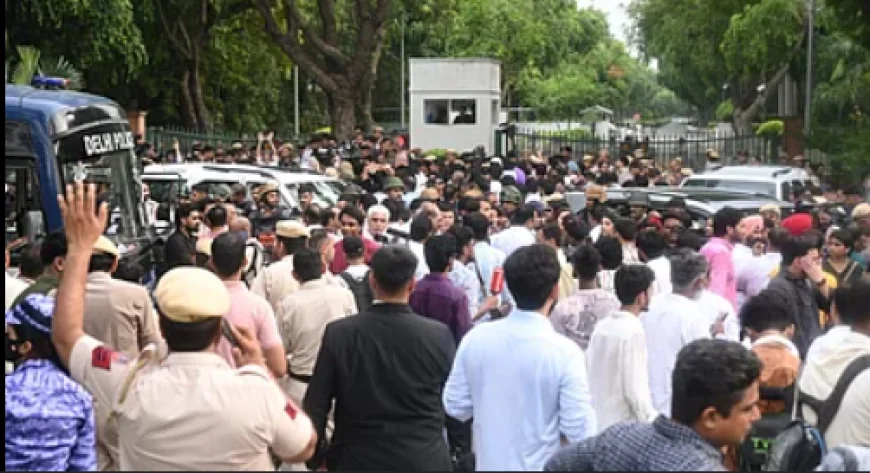
Lawyers arrive at police stations
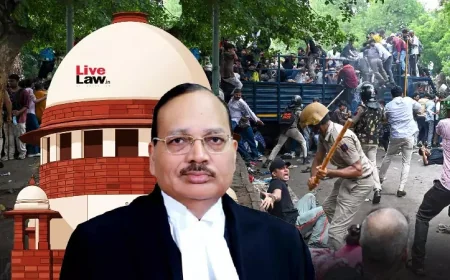
Delhi Police arrested several people for allegedly violating prohibitory orders following the protests linked to the CJP campaign.
In response, groups of advocates began visiting stations throughout the city to verify the whereabouts of detainees. Lawyers said they were acting to ensure detainees were informed of their rights and due process was followed.
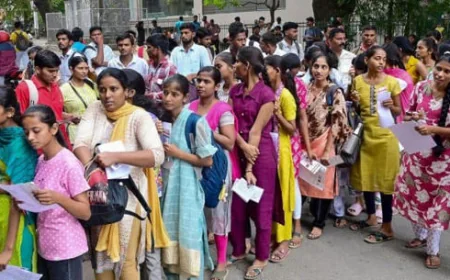
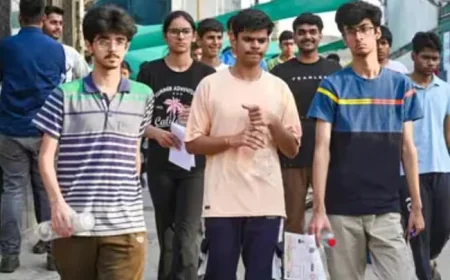
“We are here to provide free legal aid. Many of those rounded up were students and first-time protesters who don't know what to do next," said one lawyer at a Delhi police station in the centre of the city.
Legal teams have been working with the families and helping to prepare personal bonds and other paperwork necessary for release.
Lawyers say access was restricted
The advocates alleged that they had faced difficulties in meeting those in custody at various police stations.
In some places, police personnel delayed access or said meetings could not take place immediately, the lawyers said. Lawyers said they were also told that certain legal rights did not apply once a person was detained under particular sections.
That created some confusion. "Detention does not mean that a person loses the right to legal counsel," said a senior advocate, who visited several police stations.
The allegations have sparked a debate among legal experts about the degree of access lawyers are given in preventive detentions.
Legal provisions referred to
Lawyers invoked the provisions under the Bharatiya Nagarik Suraksha Sanhita (BNSS), which replaced the CrPC.
They specifically referred to Section 163 of BNSS, replacing the earlier Section 144 of CrPC. District authorities can issue orders under this section to prevent gatherings or actions that may disturb public order.
The advocates said that a person detained for violating such orders can be released on a personal bond by an authorised executive magistrate or a senior police officer. Detaining a person indefinitely without such recourse, they said, causes undue hardship, especially for students.
The legal teams also attached copies of the relevant legal provisions to some stations for their request of release.
Discussion of protesters’ rights
The lawyers’ visits have added another layer of complexity to the ongoing discourse on how to manage the CJP protests.
Guidelines on public order and safety must be respected, the authorities have stressed, while student groups and civil society organisations have said the right to peaceful protest must be protected.
The Delhi Police has not yet responded in public to the lawyers’ specific allegations about access and delays in detail. Officials say all actions are being taken in accordance with the law.
With more hearings and release applications expected, the legal teams are likely to be at the centre of things in the coming days. Some of those arrested have been bailed out for now; others are waiting to be processed.
The incident has also revived the debate around legal awareness in protests and the necessity for open dialogue between police and legal representatives.
What's Your Reaction?
 Like
0
Like
0
 Dislike
0
Dislike
0
 Love
0
Love
0
 Funny
0
Funny
0
 Angry
0
Angry
0
 Sad
0
Sad
0
 Wow
0
Wow
0