
























India Has Monitoring Stations at the Poles. Why Not in the Himalayas? Experts Raise Disaster Concerns

India has long-term scientific monitoring infrastructure in the Arctic and Antarctic, but experts are questioning whether the Himalayas need a stronger permanent monitoring network to detect floods, landslides and glacier-related disasters.

Aug 31, 2026 - 22:37
 0
India Has Monitoring Stations at the Poles. Why Not in the Himalayas? Experts Raise Disaster Concerns

India has monitoring stations at the poles. Why not in the Himalayas? Scientists raise questions over disaster preparedness

New Delhi: India has established scientific monitoring infrastructure in the Arctic and Antarctic, but experts are increasingly asking whether a similarly strong and permanent observation network is needed across the Himalayas, one of the world's most environmentally sensitive mountain regions.

The question has gained urgency following a series of floods, landslides and glacier-related disasters across the Himalayan region. Scientists say better real-time monitoring could help authorities detect potentially dangerous changes in glaciers, rivers and mountain slopes before they develop into major disasters.

Why the Himalayas need stronger monitoring

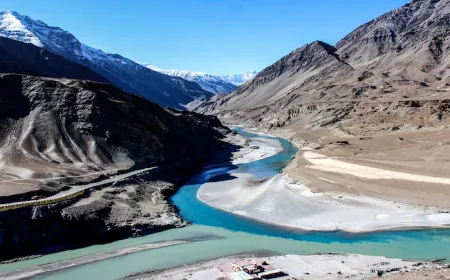
The Himalayan region is vulnerable to glacial lake outburst floods (GLOFs), landslides, flash floods and rapid changes in glaciers. The mountains also supply water to millions of people across South Asia.

Unlike the relatively concentrated research activity at polar stations, Himalayan monitoring is spread across different locations and agencies. Experts argue that a more integrated network could bring together satellite observations, weather stations, river gauges, seismic sensors and glacier monitoring systems.

India already has polar research stations

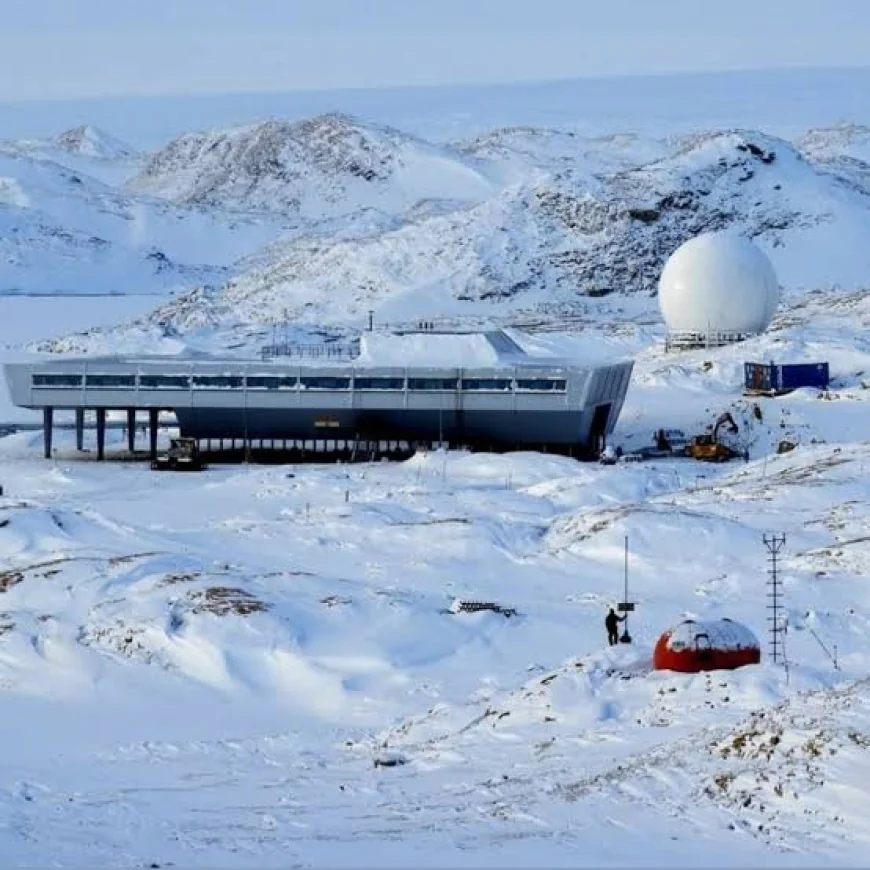
India has maintained permanent scientific research stations in Antarctica and operates research infrastructure in the Arctic. These facilities support long-term studies of climate, atmospheric conditions, glaciers and other environmental changes.

Scientists say lessons from India's polar research could be applied to the Himalayas, where observations need to be collected continuously at high altitudes and in difficult terrain.

Early warning could save lives

A comprehensive Himalayan monitoring system could provide crucial information about rapidly rising river levels, unstable slopes and changes in glacial lakes. Combined with satellite data and artificial intelligence, such information could potentially improve early-warning systems for communities living downstream.

However, setting up permanent high-altitude stations is technically challenging. Extreme weather, difficult access, power supply and communications are among the major obstacles.

A shared Himalayan challenge

The Himalayas stretch across several countries, meaning many environmental and disaster risks do not stop at national borders. Experts have therefore increasingly called for greater regional cooperation and data sharing.

For India, strengthening Himalayan observation could become increasingly important as climate change alters glaciers, rainfall patterns and the stability of mountain ecosystems.

What's Your Reaction?

Like Like 0
Dislike Dislike 0
Love Love 0
Funny Funny 0
Angry Angry 0
Sad Sad 0
Wow Wow 0