

























Iran Rejects Trump’s 20% Strait of Hormuz Fee, Says ‘We Will Be Fair
Iran has dismissed Donald Trump’s offer to charge ships a 20% fee to pass through the Strait of Hormuz, with Foreign Minister Abbas Araghchi describing the sum as “excessive”.

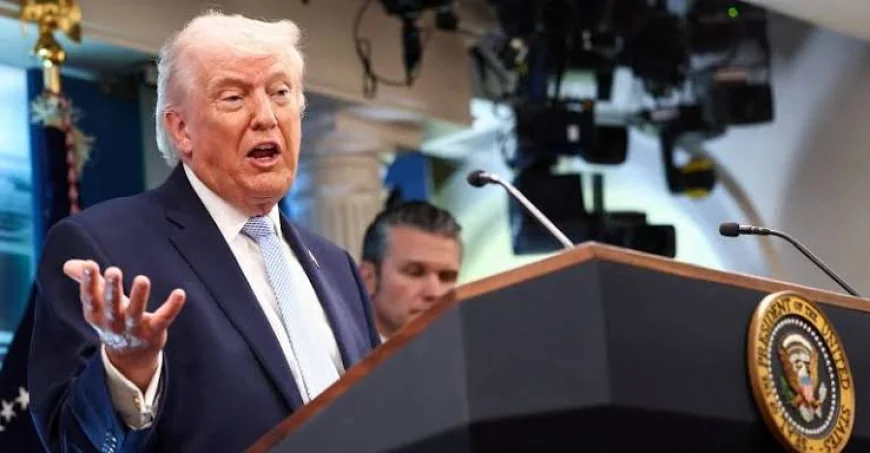
Let’s strip away the sterile geopolitical jargon and look at what this actually means for everyday people. When world leaders start trading barbs over a 20% tax on a narrow strip of water, it’s not just a diplomatic sparring match—it ripples all the way down to ordinary lives.
Here is how this high-level chest-thumping actually hits the human level:
The Sailor on the Deck
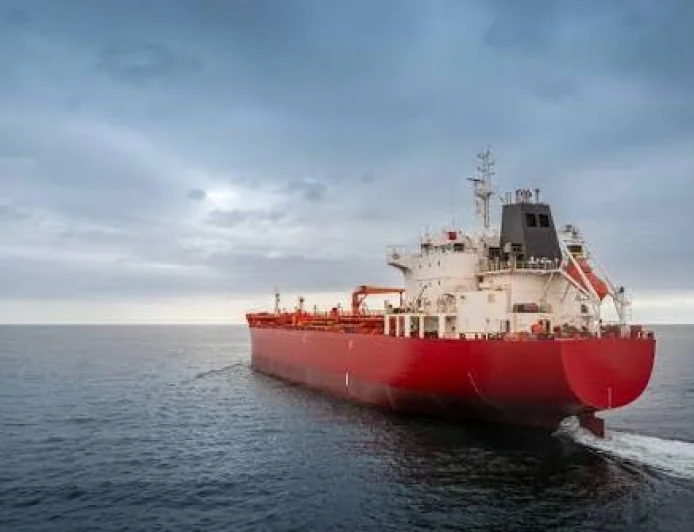
Imagine being a merchant mariner on a container ship or oil tanker heading toward the Persian Gulf. You’re already doing one of the most stressful jobs in the world. Now, you’re sailing directly into a zone where the world's biggest superpower and a heavily armed regional power are arguing over who "owns" the right to protect—or tax—you. It turns a routine commercial voyage into a high-stakes guessing game of who is going to pull your ship over and what happens if your company refuses to pay.
Your Wallet at the Pump and the Grocery Store
A 20% fee on cargo passing through a strait that carries a fifth of the world’s energy isn't absorbed by shipping conglomerates; it gets passed down the line.
-
Energy bills: If you're trying to budget for gas to get to work or heating/cooling your home, a sudden spike in oil transit costs hits your monthly budget almost immediately.
-
Everyday goods: It’s not just oil. Massive amounts of consumer goods, food, and manufacturing materials pass through that region. A sudden, massive "transit tax" means the price of everything from electronics to basic groceries edges upward.
The Contrast in Tone
The way this played out highlights a surreal disconnect. On one side, you have a U.S. president treating global maritime security like a commercial real estate deal, demanding a cut for "protection". On the other side, you have an Iranian official using sarcastic internet trolling to assert control.
Behind that social media banter are thousands of real people—naval crews, commercial sailors, and everyday consumers—whose safety and financial stability depend on whether these leaders are just posturing or if they are actually willing to disrupt global trade to prove a point.
What's Your Reaction?
 Like
0
Like
0
 Dislike
0
Dislike
0
 Love
0
Love
0
 Funny
0
Funny
0
 Angry
0
Angry
0
 Sad
0
Sad
0
 Wow
0
Wow
0