






























E20 Petrol May Reduce Mileage by Up to 5% but Offers Cleaner Fuel Benefits: Ministry
The Petroleum Ministry says E20 petrol could reduce mileage by up to 5% in some cars but it helps cleaner combustion, cuts oil imports and boosts energy security.

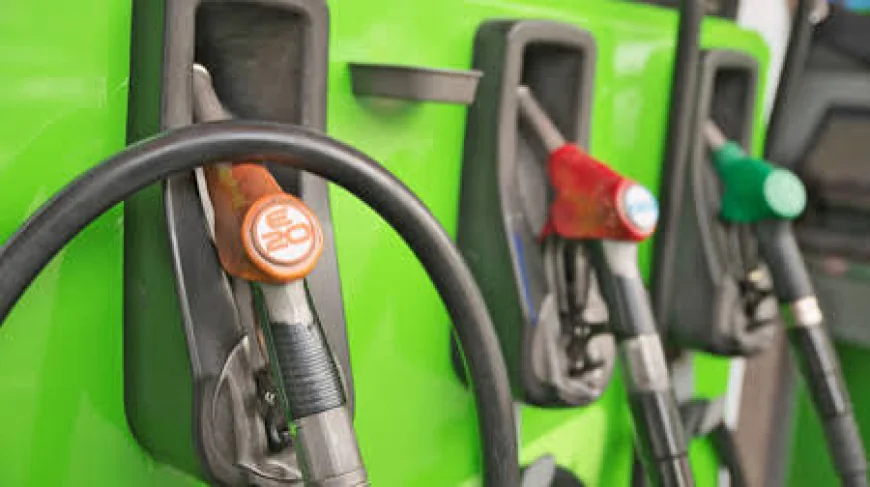
The Ministry of Petroleum and Natural Gas has hit out directly at the social media criticism of India’s nationwide rollout of E20 petrol. In a detailed clarification, the ministry admitted that petrol blended with 20% ethanol may lead to a minor decrease in fuel efficiency, but emphasised that the overall environmental, agricultural and economic benefits are significantly more than the marginal decrease in mileage.
The government also strongly denied online rumours that the fuel would cause serious engine damage or major performance loss.
Real World Mileage Impact
The ministry said the decline in fuel efficiency is modest and closely related to the age and calibration of the vehicle:
New E20-Engineered Vehicles: The reduction in mileage in newer vehicles and two-wheelers engineered and calibrated for higher ethanol blends is negligible and is typically a mere 1% to 2%.
Older, non-calibrated vehicles: Older vehicles originally designed for lower blends (e.g. E10) or pure petrol may see a slightly higher decrease, usually limited to around 3% to 5%.
Union Minister Hardeep Singh Puri dismissed claims that ethanol would impact engine health, in the Racing Car Comparison, pointing out that ethanol is used in high-performance racing cars. The fuel has a higher octane rating and better anti-knock properties. This means the fuel burns cleaner, faster and the car runs smoother as it accelerates.
Myths of Rigorous Testing and Engine Safety
Speaking about consumer concerns about component damage and insurance validity, the ministry said the change was not a knee-jerk policy:
Scientific Testing of Materials: E20 fuel was rigorously scientifically tested for several years prior to the national rollout to ensure compatibility with materials, engine longevity, resistance to corrosion and emissions levels.
Real-World OEM Feedback: Leading domestic auto manufacturers such as Maruti Suzuki and Hero MotoCorp have not recorded any instances of E20-induced corrosion, abnormal wear of components or unexpected engine failures in vehicles serviced under real-world conditions.
Insurance Coverage Not Affected: The ministry categorically debunked rumour about rejection of vehicle insurance claim for using ethanol blended fuel and said that the insurers have already rejected such claim as completely false.
The Macro-economic and Agricultural Gain
The real motivation behind the Ethanol Blended Petrol (EBP) programme is not low pump prices, but national energy independence and rural development.
India’s push to biofuels has produced staggering national results since the 2014–15 supply year:
Foreign Exchange Savings: The programme has saved the country in foreign exchange outgo by replacing costly imports over ₹1.97 lakh crore.
Displaced Crude Imports: India has reduced dependence on foreign oil by displacing almost 316 lakh tonnes of crude oil imports.
Major Carbon Reduction: Clean-burning ethanol improved the environment by helping to reduce carbon dioxide emissions by about 95.2 million metric tonnes.
Direct Financial Support for Farmers: The government has poured massive wealth into the rural economy by transferring more than ₹1.66 lakh crore directly to domestic farmers and sugar mills for agricultural feedstocks instead of exporting capital to foreign energy suppliers.
What's Your Reaction?
 Like
0
Like
0
 Dislike
0
Dislike
0
 Love
0
Love
0
 Funny
0
Funny
0
 Angry
0
Angry
0
 Sad
0
Sad
0
 Wow
0
Wow
0