

























Diagnosed With Grade 1 Fatty Liver? Here’s What You Should Do Next
Grade 1 fatty liver is a mild form of the disease that can usually be reversed by making healthy lifestyle changes. Learn meaning, best diet, exercises tips and habits that can help improve liver health.

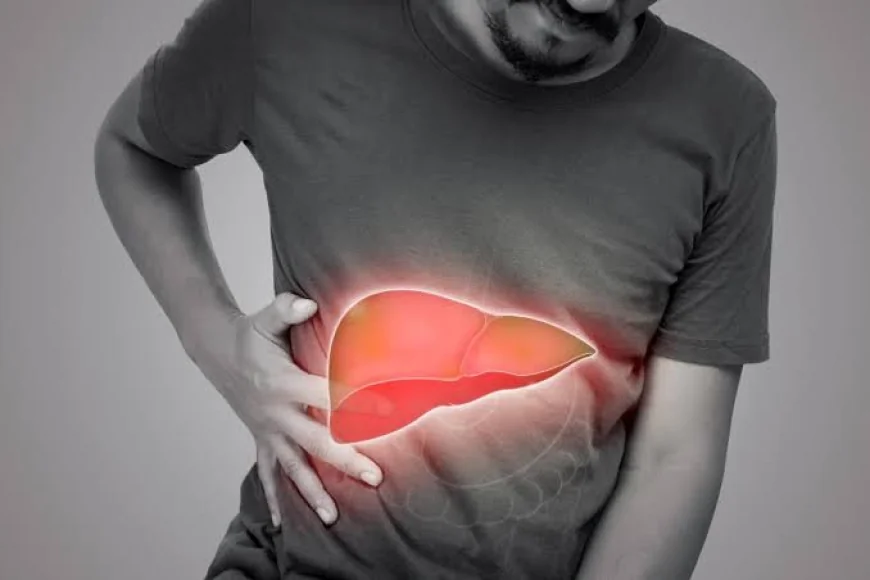
Seeing a Grade 1 fatty liver diagnosis on an ultrasound report can be alarming at first, but it is actually a massive window of opportunity. That is your liver waving a yellow flag at you, warning you that fat cells are starting to pile up, but it hasn’t reached the point of irreversible scarring or serious inflammation. The liver is so robust that this stage is entirely reversible.
What is grade 1 really
Grade 1 is the first and mildest form of fatty liver disease. Most of the time this is metabolic (insulin resistance, diet, weight, etc.). Your liver cells have started to store excess fat (steatosis). Usually, at this stage, there is no permanent damage. It rarely produces symptoms, which is why most people only find out about it during a routine check-up.
The Best Ways to Reverse It
You don’t need extreme medical procedures or sketchy “liver detox” supplements to heal a Grade 1 fatty liver. The most effective treatment is just altering the fuel and stress you put into your body.
Aim for a Small Weight Loss: If you are carrying a few extra pounds, you don’t need to set an extreme overnight goal. Clinical studies have shown that losing as little as 5% of your total body weight is enough to really melt fat out of your liver. Try to lose weight gradually and steadily – about 1–2 lb a week. Crash dieting really shocks the liver and can make the condition worse.
Eat a Mediterranean diet: Extra sugars and refined carbohydrates are turned into fat by the liver. By replacing ultra-processed foods, white bread and sugary sodas with vegetables, whole grains, lean proteins (like fish and poultry) and healthy fats (like olive oil), you give your liver a chance to clear its backlog.
Get Moving (Even If You Don’t Lose Weight) Exercise is a secret weapon for liver health. Doing 150 minutes of moderate activity a week, such as brisk walking, cycling or swimming, plus a few strength training sessions, improves how your body handles insulin. In fact, exercising regularly can cut your liver fat by 20 to 30 percent, even if the number on your scale doesn't change.
Give It a Break From Toxins Reducing alcohol consumption to near-zero levels really lightens the metabolic load on your liver cells. “Be very careful with over-the-counter herbal supplements or 'cleanses', as many of these are not regulated and can put acute strain on the liver.”
Working With Your Doctor
Your liver health does not stand alone. Fatty liver is so closely tied to metabolic health, so it’s an important piece of the puzzle to manage things like prediabetes, high cholesterol and high blood pressure. You should continue your routine blood tests (ALT and AST liver enzymes) and follow-up ultrasounds so that you and your doctor can track your progress as your liver is successfully healing itself.
What's Your Reaction?
 Like
0
Like
0
 Dislike
0
Dislike
0
 Love
0
Love
0
 Funny
0
Funny
0
 Angry
0
Angry
0
 Sad
0
Sad
0
 Wow
0
Wow
0