























Can Donating Blood Make You Gain Weight? Doctor Busts the Myth Once and for All
Doctors say blood donation does not cause weight gain or obesity. Any increase in weight after donating blood is usually related to dietary habits or lifestyle changes rather than the donation itself.

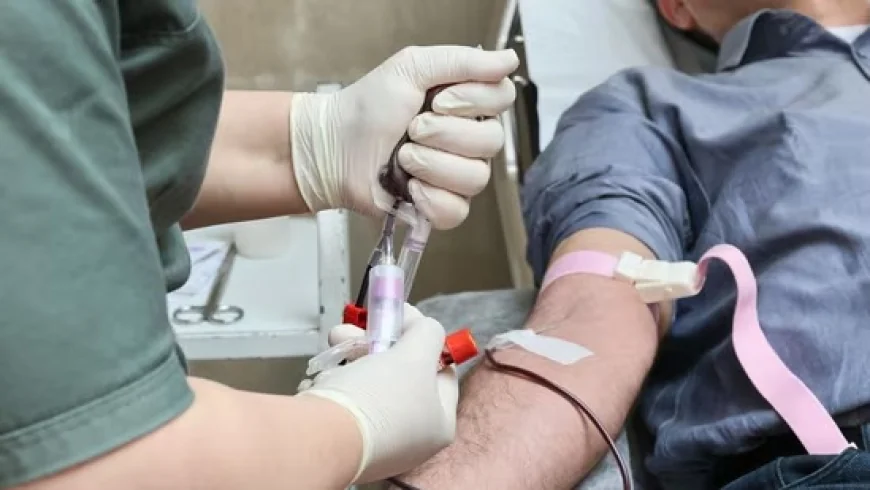
Blood donation is widely regarded as a life-saving act, but it has also been surrounded by several myths. One of the most common misconceptions is that donating blood can lead to weight gain or even obesity during the recovery period. Health experts, however, say there is no scientific evidence to support this claim.
According to physicians, donating blood does not slow metabolism, increase body fat, or directly cause weight gain. Any changes in weight after donation are usually linked to eating habits or temporary lifestyle changes—not the blood donation itself.
Does Blood Donation Affect Your Weight?
When a person donates blood, the body loses around 350–450 ml of blood, depending on the type of donation. The body naturally replaces the lost plasma within 24 to 48 hours, while red blood cells are gradually replenished over the next few weeks.
This recovery process requires nutrients such as iron, protein, vitamin B12, and folate, but it does not significantly increase calorie requirements or alter the body's metabolism. As a result, donating blood does not trigger weight gain.
Why Do Some People Think They Gain Weight?
Doctors explain that the myth may arise because donors are often advised to eat well and stay hydrated after giving blood. Some people may consume extra sweets, sugary drinks, or high-calorie foods, believing they need to "replace" the lost blood quickly.
While eating nutritious meals supports recovery, consistently consuming excess calories can lead to weight gain. In such cases, the increase in weight is due to dietary habits rather than the blood donation itself.
How to Recover After Donating Blood
Experts recommend drinking plenty of fluids after donating blood to prevent dehydration. Eating iron-rich foods such as spinach, lentils, beans, lean meat, and fortified cereals can help replenish iron stores. Vitamin C-rich fruits like oranges and guavas also improve iron absorption.
Most healthy adults can resume normal daily activities within a few hours, although strenuous exercise and heavy lifting should be avoided for the rest of the day.
The Bottom Line
Medical experts emphasise that blood donation is safe for eligible individuals and does not cause obesity or long-term weight gain. Instead, maintaining a balanced diet, staying hydrated, and following post-donation advice are the best ways to recover.
By separating facts from myths, doctors hope more people will feel confident about donating blood regularly, helping save lives while understanding that the process has no direct impact on body weight.
What's Your Reaction?
 Like
0
Like
0
 Dislike
0
Dislike
0
 Love
0
Love
0
 Funny
0
Funny
0
 Angry
0
Angry
0
 Sad
0
Sad
0
 Wow
0
Wow
0