






















Delhi Cabinet Approves EV Policy to Achieve Zero-Emission Transport by 2030
Delhi Cabinet approves new EV Policy to transition the capital to zero-emission transport by 2030. The policy features tax exemptions and incentives and a phased transition to electric vehicles.

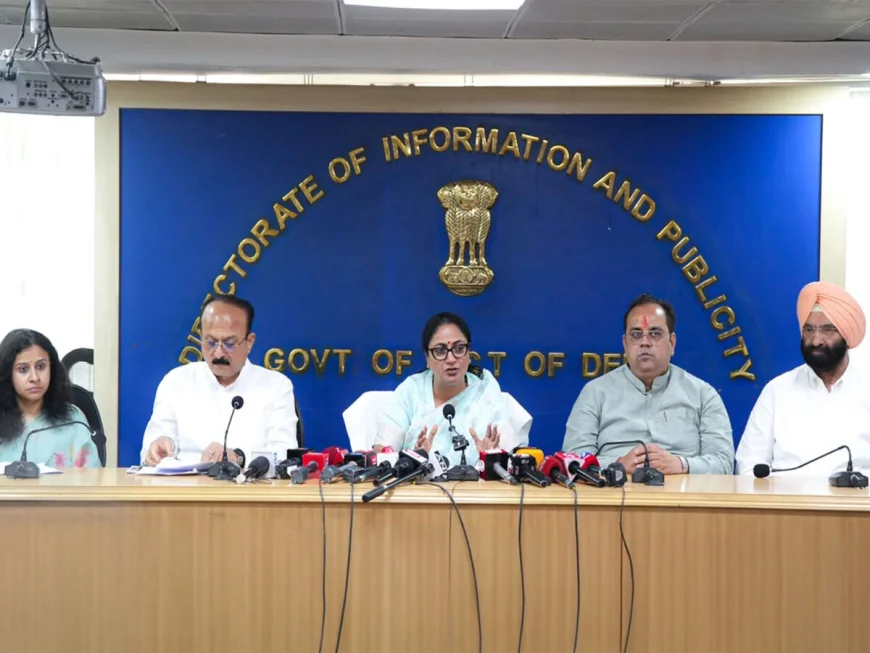
Delhi to go electric: No new petrol two-wheelers from 2028 in bold clean-air push
A Bold, Step-by-Step Plan to Clean Up the Atmosphere
Delhi is trying its hardest yet to fight its infamous winter smog. The Delhi Cabinet has approved a bold new Electric Vehicle (EV) Policy that will revolutionise the way the capital moves. The end goal? The city’s transition to a fully zero-emission transport system by 2030.
The government is putting in about ₹15,000 crore over the next four years, and it's not just offering gentle encouragement but setting hard deadlines to force fossil-fuel vehicles off the road.
Timeline of Transition
Tax and Registration Exemptions
Immediate Effect
The policy is launched with huge financial relief. All new electric vehicles priced below ₹30 lakh are fully exempted from road taxes and registration fees.
Electric-Only Auto-Rickshaws
Jan 2027
The city will cease to register any new fossil-fuel passenger three-wheelers. From now onwards, only electric auto-rickshaws will be allowed on the streets.
The Ban on Petrol & CNG Two-Wheelers
APRIL 2028 4
Registration of new petrol and CNG two-wheelers will be brought to a complete halt, and electric scooters and motorcycles will be the mandatory default for new buyers in a massive shift for everyday commuters.
The Zero Emissions Deadline
31st March 2030
“This is the last deadline for Delhi to implement the shift in respect of both targeted private vehicles and public transport networks.
Strong incentives to make the pain easier
The policy has been drawn up by the cabinet to help cushion the blow for buyers who may find the switch to an electric vehicle a heavy financial burden.
In addition to waiving registration and road tax on vehicles costing less than ₹30 lakh, the government is launching aggressive cashback incentives for residents willing to scrap their old polluting vehicles in favour of an EV alternative. Interestingly, the policy has picked favourites — putting almost all of its financial might and subsidies purely on all-battery vehicles and deliberately leaving hybrids out of the incentive pool to speed up a total transition.
Why Delhi can't afford to lose this battle
This policy is a direct response to a public health crisis that unfolds every single winter. Government data shows vehicular emissions as one of the absolute biggest contributors to the city’s toxic air, contributing nearly 23% of Delhi’s dangerous PM2.5 pollution during the coldest months of the year.
One official said during the policy discussions: “We can’t just wait for the wind to blow and fix the air.” “We have to change what we put in the atmosphere every single day, fundamentally.”
Officials are counting on a big reduction in tailpipe emissions by making a fast, phased switch to electric cars. A significant portion of the ₹15,000 crore budget will be allocated for the creation of a robust charging infrastructure across the city. The plan is to make battery-swapping stations and fast-charging points as ubiquitous as the regular petrol pump to accommodate the rising demand for electric cars and bikes.
What's Your Reaction?
 Like
0
Like
0
 Dislike
0
Dislike
0
 Love
0
Love
0
 Funny
0
Funny
0
 Angry
0
Angry
0
 Sad
0
Sad
0
 Wow
0
Wow
0