





























Air Pollution May Increase Health Risks for Haemodialysis Patients, Study Finds
Air pollution may increase the risk of hospitalisation, cardiovascular problems and early death among people on haemodialysis, a new study suggests. Scientists are urging better environmental safeguards and targeted interventions for at-risk patients.

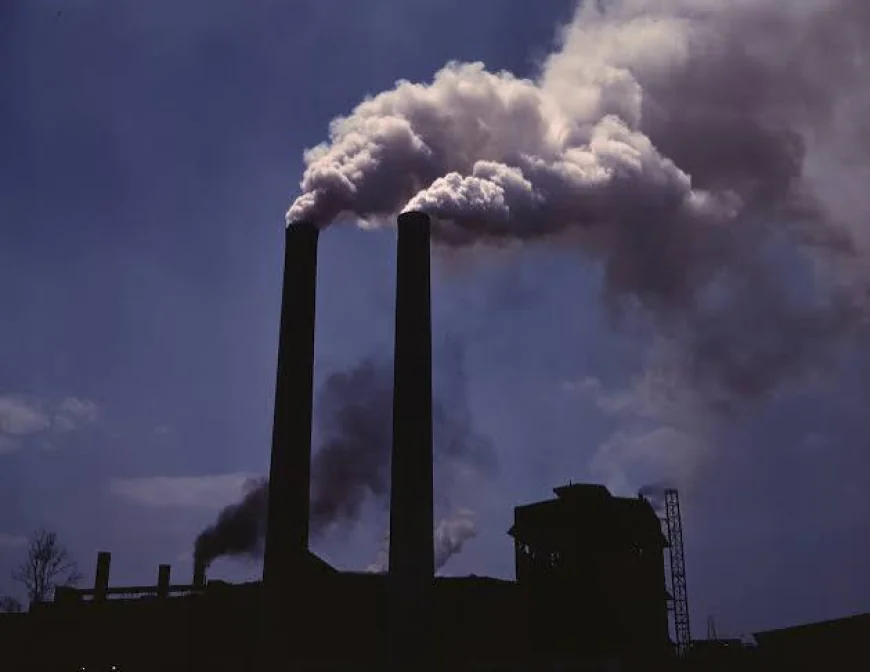
Air pollution poses a silent but serious threat to people with kidney failure, greatly increasing the health risks for patients undergoing haemodialysis, a new study suggests. Research shows long-term exposure to poor air quality increases the risk of serious complications, hospitalisation and early death for this already vulnerable group.
The findings contribute to a rapidly growing body of evidence that air pollution is damaging to far more than just the lungs and has a significant impact on cardiovascular and kidney health.
Why dialysis patients are at higher risk
The patient receiving standard haemodialysis treatment is in a particularly vulnerable position. Their kidneys are shot, so their bodies are already overloaded. Many have other complex overlapping conditions, including heart disease, diabetes and high blood pressure.
Airborne toxic pollutants (e.g. fine particulate matter)
(PM 2.5) and nitrogen dioxide that are inhaled enter the bloodstream and cause systemic inflammation, oxidative stress and damage to blood vessels. This additional physical stress can be devastating to a patient who already has a heavy load on the cardiovascular system from kidney failure. The study finds that residents in areas of high pollution consistently experience worse health outcomes and higher mortality than those breathing cleaner air.
Practical Protective Measures
“Health experts are urging healthcare providers and families to take immediate preventative action to protect the most vulnerable,” the source said, “since policy changes for long-term reductions in outdoor pollution will be needed. Recommendations for patients receiving haemodialysis:
Check Air Quality Reports Before planning outdoor activities, check local air quality reports.
Change Time Outdoors Avoid doing vigorous outdoor activities when pollution is high or during rush hours.
Select the proper masks. If pollution is high, wear a close-fitting mask, especially on your way to the clinic.
Stay Consistent with Care
• Attend all scheduled dialysis appointments.
• Notify your care team of any new symptoms.
Providing Healthcare to the Environment
The main takeaway from this study is that kidney care is not siloed. The researchers hope their findings will lead to policymakers imposing tougher environmental standards and doctors taking environmental factors such as a patient’s living space into consideration when developing comprehensive treatment plans. Further studies will examine the direct correlation between measurable air quality improvements and lengthened, healthier lives for patients on dialysis.
What's Your Reaction?
 Like
0
Like
0
 Dislike
0
Dislike
0
 Love
0
Love
0
 Funny
0
Funny
0
 Angry
0
Angry
0
 Sad
0
Sad
0
 Wow
0
Wow
0