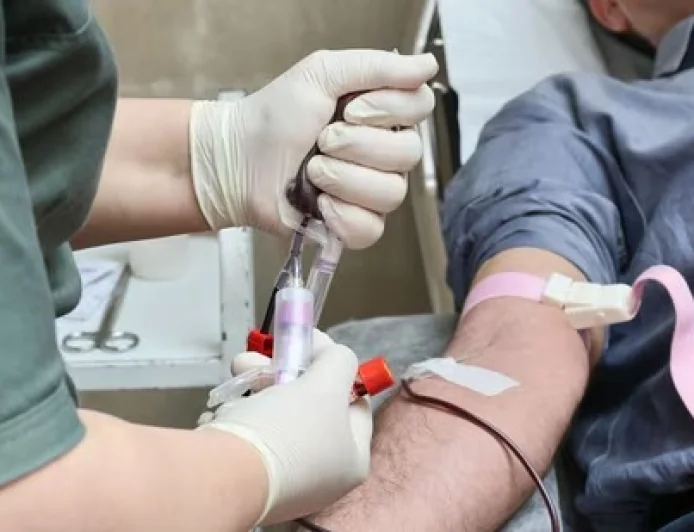






























Women Over 30, Especially Mothers, Face These 5 Common Health Problems, Says Doctor
Doctors say women over 30, especially mothers, are more prone to health problems like hormonal imbalance, anaemia and bone problems. Preventing it early can make a big difference.


30 is a beautiful milestone, but there are some subtle changes a woman’s body goes through, too. Moms juggling the constant demands of family, career and childcare often neglect their own health. This decade is a key time for proactive care with a slowing metabolism, chronic stress and postpartum hormonal shifts.
Medical experts warn that early detection of these five common health complaints can radically improve a woman’s long-term well-being.
1. Thyroid problems (especially an underactive thyroid)
The thyroid controls everything from energy to metabolism. Thyroid problems can occur at any age, but doctors see a particular rise in hypothyroidism (underactive thyroid) in women after 30. Because the signs look like normal burnout, they are frequently overlooked.
Look for the following: persistent tiredness, unexplained weight gain, hair loss, irregular periods, and cold intolerance.
Prevention: Don’t assume chronic fatigue is the usual “mom fatigue". Ask about a routine thyroid function test (TFT) during your annual checkup.
2. Polycystic Ovarian Syndrome (PCOS)
PCOS is a hormonal imbalance and not a condition that goes away in your 20s. In your 30s, high androgens (male hormones) can interfere with ovulation and your body’s ability to process insulin, and they tend to persist or cause new problems.
What to look out for: irregular or missed periods, adult acne, stubborn abdominal weight gain, and thinning hair.
Prevention: If left untreated, PCOS increases the risk of Type 2 diabetes and heart disease. Eating a high-fibre diet and staying active helps keep insulin sensitivity in check and control symptoms.
3. Postpartum Weight Retention & Type 2 Diabetes
Post-pregnancy weight loss is very difficult, and you have a busy household to run. Insulin resistance flourishes in an environment of poor sleep, high stress, and lack of time for physical activity.
Watch for excessive thirst, frequent urination, constant fatigue and blurry vision.
Prevention: Women who have had gestational diabetes during pregnancy have a greatly increased risk of developing type 2 diabetes later in life. It is important to check your blood sugar and HbA1c in the morning regularly to make lifestyle changes earlier.
4. High Blood Pressure (Hypertension)
High blood pressure is often referred to as a silent killer, as there are often no obvious symptoms in the earlier stages. By your 30s, the cumulative effect of juggling work-life demands, chronic sleep deprivation, and some contraceptive choices can cause a gradual rise in blood pressure.
What to look for: Headache, lightheadedness, heart palpitations, or fatigue (although it is often completely asymptomatic).
Prevention: Track your numbers by measuring your blood pressure at home or at every doctor’s visit. A huge difference can be made by cutting down on your sodium intake, getting enough sleep, and doing 30 minutes of moderate movement a day.
5. Loss of bone density
Women typically achieve peak bone mass in their late 20s. By the age of 30, the body starts to break down old bone tissue a bit faster than it can naturally create new tissue, and from there it begins a slow decline.
What to watch for: Mild fractures, joint pain or early muscle weakness.
Prevention: During pregnancy and breastfeeding, calcium stores are heavily depleted. Try to do some strength training or weight-bearing exercise, such as jogging or brisk walking, at least twice a week. This will help strengthen your bones. You should also make sure that you are getting enough calcium and vitamin D each day.
The Doctor’s Takeaway: Self-care isn’t fundamental. A yearly check-up of your thyroid, blood sugar and blood pressure takes less than an hour and gives you the critical information you need to stay strong and healthy for years to come.
What's Your Reaction?
 Like
0
Like
0
 Dislike
0
Dislike
0
 Love
0
Love
0
 Funny
0
Funny
0
 Angry
0
Angry
0
 Sad
0
Sad
0
 Wow
0
Wow
0