




















Woman Seeking Cheaper Cancer Drugs Dies Before Court Delivers Verdict
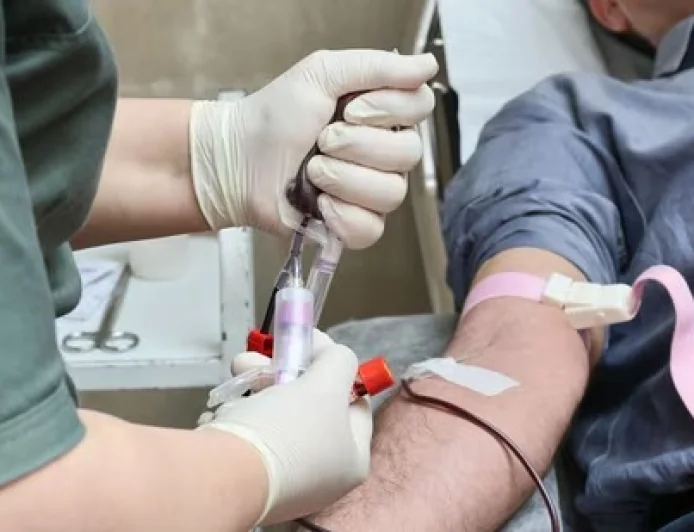
A woman who sought cheaper cancer drugs from the court in 2022 has died before a verdict could be reached, reigniting concerns over the cost of treatment.


The public health landscape in India is on absolute high alert as a tragic, systemic crisis—stretching right through the heart of the country's legal and healthcare grids—intensifies over the pricing of life-saving medical care. It ranks as one of the most agonising, high-stakes battles over patient rights since the introduction of strict patent protection laws. While international drug companies defend their global pricing structures, the heartbreaking reality of a patient's ultimate sacrifice has hit the public stage instantly, leaving health activists and legal scholars scrambling as a landmark petition exposes devastating bureaucratic gridlock.
Tragic Interruption in the Courtroom
The legal petition's initial human collateral damage hit the absolute limits of patient endurance hardest. A sudden, agonising pause fell over the litigation when the original petitioner—a woman battling an aggressive form of breast cancer—passed away after waiting desperately for relief.
The Wire
Legal watchdogs confirmed the original writ petition had been filed before the Kerala High Court, seeking to force the government to bypass patent protections and make critical oncology drugs affordable. Rather than dismissing the matter upon her death, the court took the rare step of continuing the proceedings suo motu (on its own motion) due to the immense public interest involved. Yet, even with an appointed independent advisor (amicus curiae) and finished pleadings, an endless cycle of procedural resets has made the legal road incredibly treacherous.
The Path of the Legal Gridlock
Even though patient advocacy groups frequently mobilise to support low-income families, the current legal storm is packing massive systemic frustration with agonising delays over its long timeline.
The Hearing Log: The judicial footprint of this case is experiencing what legal specialists call an unprecedented, circular holding pattern. The matter has been listed for a final disposal a staggering 57 times, only to suffer 40 separate adjournments without a definitive ruling ever materialising. This staggering bottleneck forced a prominent access-to-medicines working group to take the emergency step of writing directly to the Chief Justice of India, pleading for an intervention before more lives are lost in the queue.
The Cost Barrier: The target of the legal battle screams directly at the heart of astronomical pharmaceutical pricing. The petition specifically challenged the cost of targeted therapies like ribociclib, which carries a crushing price tag of over ₹78,400 per month, a sum that ruthlessly prices out ordinary citizens and forces families into catastrophic debt.
Systemic Vulnerabilities
The sudden realisation of this judicial stagnation has exposed terrifying vulnerabilities in India’s public health safeguards. Legal experts argue that under Section 100 of the Patents Act, the union government possesses the full sovereign authority to issue a compulsory licence, allowing local generic manufacturers to produce the drug at a 90% to 95% discount.
However, in a move that has deeply alarmed public health advocates, the government actively declined to intervene, filing responses that claimed breast cancer does not constitute a matter of extreme national urgency. While health authorities project a terrifying surge in new breast cancer cases annually, bureaucratic passivity leaves thousands of patients completely defenceless against raw market forces.
The Posthumous Stand
The unchecked authority of global patent holders has effectively turned the domestic healthcare space into an exclusive commodity market. While the manufacturing giants argue their regional prices are already optimised relative to global benchmarks, the sheer human cost of the delay has sparked an intense, emotional debate over the fundamental right to life.
Across regional health ministries and legal aid networks, routine policy agendas have been replaced by urgent mobilisations around drug price controls and judicial accountability. Patient advocacy coalitions are desperately racing to mount fresh public interest litigations ahead of upcoming court terms, while legal teams across the country are restructuring their approach to medical emergency cases in a frantic bid to ride out the incoming wave of the country's most devastating health crisis.
What's Your Reaction?
 Like
0
Like
0
 Dislike
0
Dislike
0
 Love
0
Love
0
 Funny
0
Funny
0
 Angry
0
Angry
0
 Sad
0
Sad
0
 Wow
0
Wow
0