





























Why Am I Getting Grey Hair in My 20s? Experts Explain the Real Causes of Premature Greying
Grey hair in your 20's is becoming more and more common. Experts explain the causes of premature greying, from genetics and vitamin deficiencies to stress, lifestyle habits and certain medical conditions, and when to see a doctor.

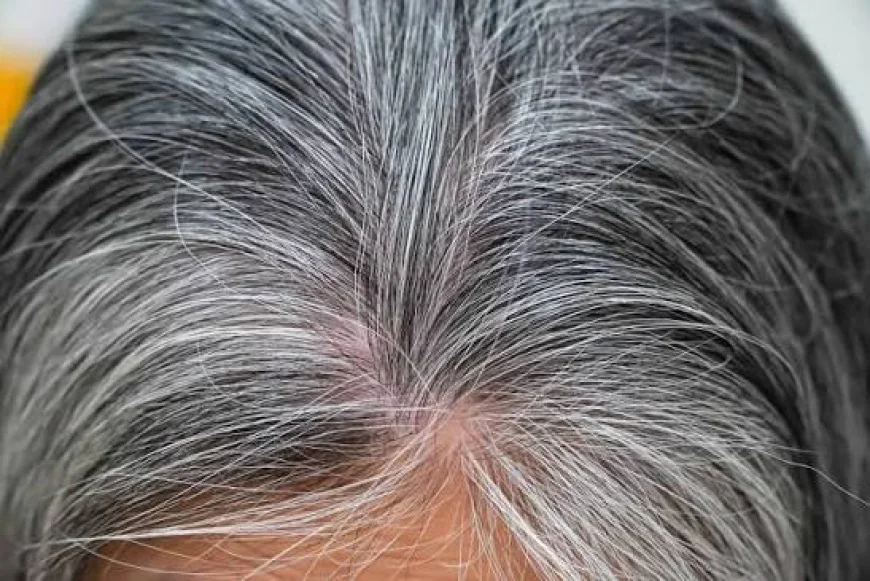
Finding your first grey hair in your 20s can be a shock, but it's becoming incredibly common. We tend to associate silver strands with ageing, but premature greying at a young age is not a sign that your body is ageing prematurely.
Melanocytes are special cells in your hair follicles that produce melanin, which is the pigment that colours your hair. When these cells slow down or stop working, you get grey hair. When that pigment goes, the new hair grows out clear, and it looks grey or white against the rest of your hair.
Here are the true reasons why you see silver strands early on:
1. The Genetic Code
Genetics is the single biggest reason for premature greying. How long the cells that make pigment in your hair live is mostly decided by your DNA. If your parents, grandparents or close relatives started going grey in their 20s or 30s, then you are very likely to go through a similar timeline. It's a completely harmless genetic trait that you can't change.
2. Nutritional deficiency
Sometimes early greying is your body’s way of saying that it’s missing some vital building blocks. Also, some vitamins and minerals are necessary for the proper functioning of melanocytes. Premature greying is often associated with deficiencies of:
Vitamin B12 and Folate: Both are important for making red blood cells and getting oxygen to your hair follicles.
Iron and Zinc: Essential minerals that assist in cell growth and repair.
Vitamin D and copper are directly involved in the biological processes that produce melanin.
3. Lifestyle and chronic stress
Everyday stress won't turn your hair white overnight, but chronic, long-term stress can speed up the process. Prolonged emotional stress, poor sleep, smoking and unhealthy diet are the causes of oxidative stress in the body. If you’re genetically predisposed to greying, then this systemic stress can damage the delicate pigment-producing cells in your hair follicles and cause them to shut down sooner than they otherwise would.
4. Medical Conditions Pre-existing
Sometimes, a sudden or rapid change in hair colour may signal a medical problem. It is worth keeping an eye on it if the greying occurs unexpectedly and is associated with other physical symptoms. Early greying can be triggered by the following conditions:
Thyroid problems. An overactive or underactive thyroid gland can also affect the amount of pigment produced.
Autoimmune Diseases: In these diseases, the immune system mistakenly attacks cells, including those in hair follicles.
Vitiligo: A condition that causes loss of pigment in patches on skin and hair.
What can you do?
Once a hair has lost its pigment and gone grey, no amount of lifestyle change or vitamin pill will bring back its natural colour. However, you can support your remaining hair follicles and potentially slow further greying by taking care of your baseline health:
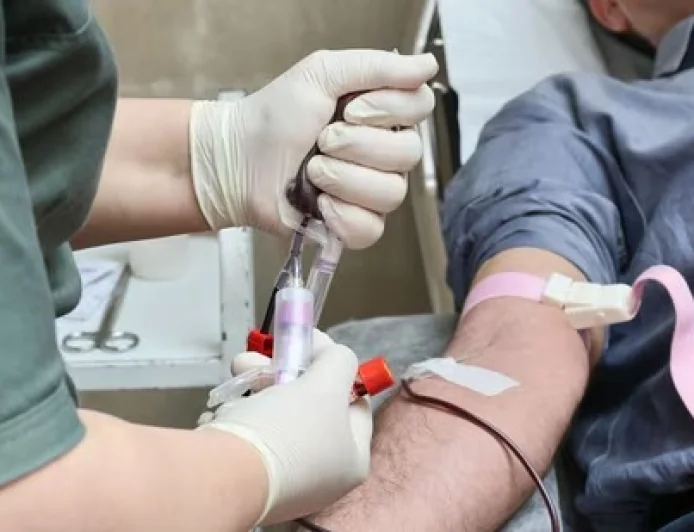
Fix Deficiencies: If blood work shows you are low in iron or B12, talk to your doctor about targeted supplements or eat a balanced, nutrient-rich diet.
What's Your Reaction?
 Like
0
Like
0
 Dislike
0
Dislike
0
 Love
0
Love
0
 Funny
0
Funny
0
 Angry
0
Angry
0
 Sad
0
Sad
0
 Wow
0
Wow
0