
























Pakistan Raises Indus Waters Treaty Issue at Global Conference After India Puts Pact in Abeyance
Pakistan has warned at an international conference that the breakdown of the Indus Waters Treaty could have wider global implications. India had kept the treaty in abeyance post the Pahalgam terrorist attack.


Pakistan has taken the Indus Waters Treaty issue to the international level. Pakistani officials warned at a global conference that the collapse of the decades-old pact on sharing water could trigger a dangerous domino effect, eroding trust in international agreements worldwide.
This diplomatic push is happening at a time of very heightened tension. The government of India took the big decision to suspend the treaty in the wake of a deadly terror attack in Pahalgam in Jammu and Kashmir.
The Heart of the Dispute
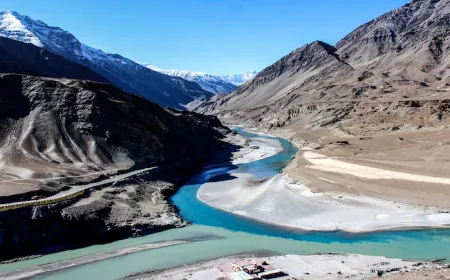
It helps to know what the treaty is really all about, and why it is so important. Negotiated in 1960 under the auspices of the World Bank, the Indus Waters Treaty is widely regarded as one of the most successful water-sharing pacts in modern times. It gave control of the three eastern rivers (Ravi, Beas and Sutlej) to India and the three western rivers (Indus, Jhelum and Chenab) to Pakistan.
The treaty withstood wars and incessant political friction between the two neighbours for more than 60 years. But the recent attack in Pahalgam changed it all.
New Delhi’s position is clear: there can be no bilateral arrangements and cross-border data sharing in the face of continuing hostile actions and terrorism. National security for India is paramount, and the treaty freeze is a direct response to that threat.
Global warning in Pakistan
Pakistan is seeking to drum up international support, fearing it may be cut off from crucial water data and routine diplomatic contacts. At the conference officials were focused on two main points:
Pakistan says treaties must be upheld despite political clashes A threat to global trust They warn that if one country can unilaterally suspend a deal, it sets a precedent and endangers other global treaties.
Water Security: The Indus River system is the lifeline of Pakistan’s agriculture and economy. Without the cooperation promised in the treaty, the country faces a serious uncertainty about its long-term water security.
Ultimately, the dispute is a symptom of a deep, painful gridlock. Pakistan is portraying the failure as an international crisis that threatens the global rules. India is saying that peace and cooperation are a two-way street and normal water relations simply cannot flow alongside violence.
What's Your Reaction?
 Like
0
Like
0
 Dislike
0
Dislike
0
 Love
0
Love
0
 Funny
0
Funny
0
 Angry
0
Angry
0
 Sad
0
Sad
0
 Wow
0
Wow
0