
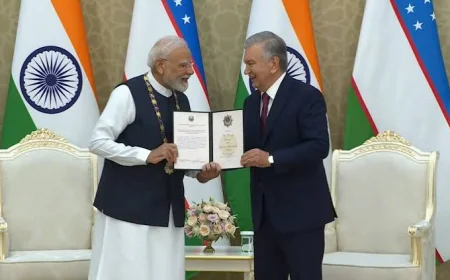



























Opinion: Modi’s Three-Nation Tour Completes India’s Indo-Pacific Strategic Arc
PM Modi’s visits to Indonesia, Australia and New Zealand reflect India’s growing Indo-Pacific strategy based on flexible partnerships, strategic autonomy and economic cooperation and not on rigid blocs.

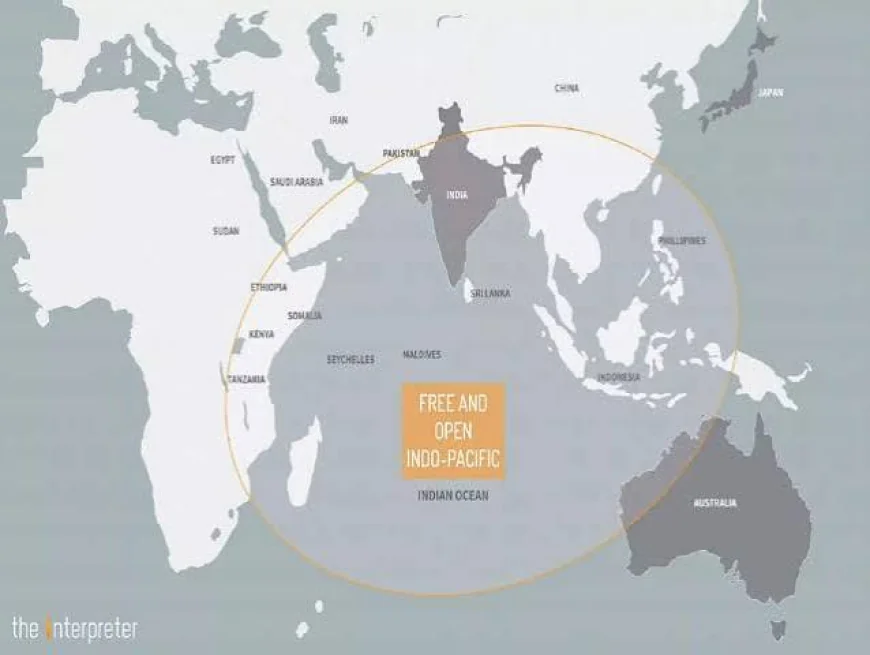
The geopolitical theatre of the southern oceans is on absolute high alert as a massive diplomatic offensive stretching right through the heart of the maritime grid—barrels across the Indo-Pacific. It is tracking to be the most heavily scrutinised grand strategy alignment to test regional autonomy since recent shifts in global superpower rivalries. While traditional Western capitals focus on locking down rigid military pacts, the aggressive momentum of New Delhi’s multi-directional diplomacy has hit the southern hemisphere instantly, leaving major regional actors and policy analysts scrambling as a newly completed strategic arc redefines boundaries.
The Blueprint of the Arc
The diplomatic machinery's initial structural momentum hit the critical maritime choke points of Southeast Asia and the Pacific hardest. A sudden, high-intensity sweep connecting Jakarta, Melbourne, and Auckland completely dominated the regional security agenda but failed to rely on standard superpower block alignments.
Ministry strategists and international tracking officials confirmed that the multi-nation tour has effectively woven a new "arc of trust" across the Eastern and Southern Indian Ocean. Implementation teams are aligning defence interoperability logs and trade frameworks on a war footing, though an increasingly assertive maritime environment and a stubborn holdover of Cold War bloc thinking make the overall diplomatic climb incredibly treacherous.
The Path of the Partnerships
Even though conventional alliances frequently demand exclusive defence guarantees, the current diplomatic front is packing massive multi-alignment expectations with critical strategic autonomy demands across three distinct regional pillars.
The Indonesian Anchor: The critical gateway of the Malacca Strait experienced what security specialists call a total operational upgrade. Defence analysts are highlighting that the deep-dive talks in Jakarta moved far beyond routine diplomatic pleasantries—focusing heavily on critical mineral supply chains and checking maritime assertiveness. In response, joint security understandings recorded a surge in planned deployment frequencies, and regional monitoring centres put their entire coast guard coordination apparatus on active standby to track maritime domain awareness.
The Australian Connector: The strategic arc screams directly over the Southern Indian Ocean, landing heavily in Melbourne to lock in deep comprehensive security ties. The focus here brought sharp, domain-snatching defence technology integration and critical raw material logistics to secure supply lines before the next economic downturn hits.
Network Over Blocs
The sudden finalisation of this oceanic perimeter has exposed terrifying vulnerabilities in ageing, exclusive military club formulas. Foreign policy experts warn that rigid security blocs alone no longer guarantee regional stability in a hyper-sensitive, fragmented global landscape. While Western strategists scramble to fit New Delhi into pre-existing containment frameworks, local foreign ministries are demanding immediate, issue-based coalitions that respect national sovereignty safeguarding crucial global shipping corridors before competing economic pressures divide the Pacific into closed spheres of influence.
The Sovereign Choice
The deliberate inclusion of New Zealand as the final anchor highlights the raw intensity of India's partnership-driven model. By elevating ties to a strategic level with a nation that traditionally fiercely guards its independent foreign policy, the summit provided a final, high-stakes confirmation of a flexible diplomatic matrix. While global powers try to force countries to choose sides, this customisable network signals a profound departure from binary alliances, cementing an inclusive regional order under the global media glare.
The Immediate Reality: Across regional administrative capitals from Jakarta to New Delhi, routine foreign office schedules have been picked completely clean of standard updates and replaced by immediate naval logistics roadmaps, critical mineral tracking, and joint defence production timelines. Strategic planning teams are desperately racing to optimise maritime domain awareness ahead of schedule, while security networks across thousands of nautical miles have been optimised to push the inclusive framework in a frantic bid to ride out the incoming wave of geopolitical competition.
What's Your Reaction?
 Like
0
Like
0
 Dislike
0
Dislike
0
 Love
0
Love
0
 Funny
0
Funny
0
 Angry
0
Angry
0
 Sad
0
Sad
0
 Wow
0
Wow
0