






























Metabolic Dysfunction-Associated Steatotic Liver Disease: Clinical Challenges In The MENA Region
The growing burden of Metabolic Dysfunction-Associated Steatotic Liver Disease on healthcare systems in the Middle East and North Africa highlights the need for early diagnosis and improved care.

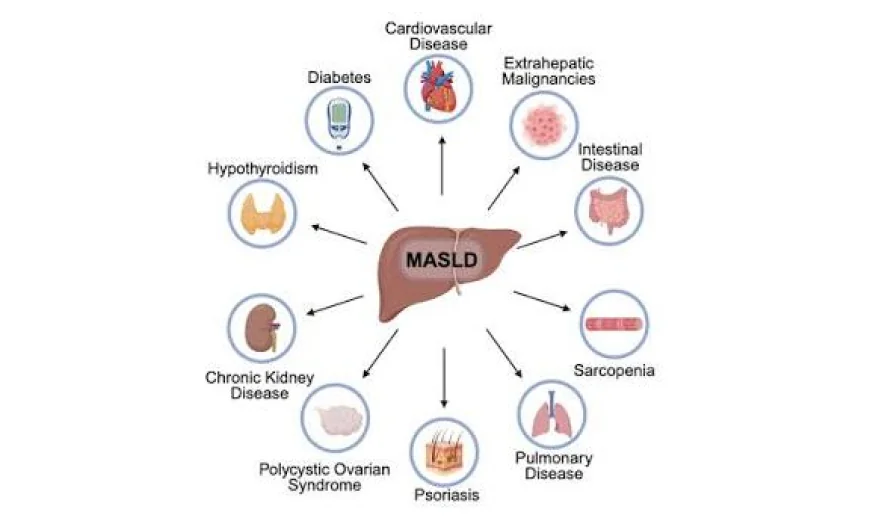
One of the most severe escalations of metabolic dysfunction-associated steatotic liver disease (MASLD) in the world is currently occurring in the Middle East and North Africa (MENA) region.
MASLD, formerly known as fatty liver disease, is characterised by excess fat in the liver, stemming from metabolic problems such as obesity, type 2 diabetes and high blood pressure. This is a huge obstacle at present, as the healthcare setups of the region are trying to fight a silent and fast-moving disease with tools and setups that are not meant for it.
1. Why the Numbers in the MENA Region Are So Alarming…
The problem in the Middle East and North Africa is staggeringly high. About a third of adults globally have some kind of fatty liver. That baseline is completely blown out in the MENA region.
-
The Baseline: MASLD is estimated to affect approximately 36-46% of the general population in the region today. The highest concentrations are being seen in countries like Kuwait, Egypt and Qatar.
-
The Diabetes Connection. For people in the region with type 2 diabetes, that number is an astounding 68%.
-
An Accelerated Timeline: Physicians on the ground are seeing more aggressive forms of disease in patients in this region. In the last decades, due to rapid urbanisation and changing diets, the age of transition from simple fatty accumulation to severe inflammation and advanced hepatic scarring (fibrosis) is much younger than that usually seen in Western countries.
2. Why are these healthcare settings “challenging”?
When medical literature refers to a “challenging care setting” here, it is not talking about the biology of the liver. It’s about the structural barriers that frustrate patients from getting help until it’s almost too late.
The Bottleneck of Diagnosis
For doctors to catch the scarring early, they need sophisticated, non-invasive tools such as a FibroScan or advanced MRIs. In the MENA region, these machines are virtually confined to expensive, top-notch private hospitals or large university medical centres in the biggest cities. Basic abdominal ultrasounds are left to family doctors on the front lines and in rural clinics. The issue? Standard ultrasound can’t pick up scarring of the liver in its early stages. It is often too late to reverse the damage by the time it appears on a basic scan.
Fragmentation of the System
A recent survey of 17 MENA countries showed a huge gap between the size of the disease and the official medical response:
-
Almost three-quarters of clinicians said their country had no national public health strategy or awareness campaigns on fatty liver.
-
Only 35% said their clinic has clear, localised guidelines on how to treat it.
-
Medical training in the region has historically given little attention to metabolic liver diseases, leaving family doctors without specialised training to identify and flag high-risk patients at an early stage.
3. The Economic and Clinical Burden
MASLD is a silent disease, with few symptoms until the liver is close to failure. This creates a huge, hidden burden on families and healthcare budgets.
A Misunderstood Threat: A common misconception is that fatty liver only affects the liver. In reality, it is a full-body cardiovascular emergency. The number one cause of death for people with MASLD isn't actually liver failure; it is heart disease and strokes.
-
The Financial Drain Treating late-stage liver failure and cirrhosis is very costly. In countries such as Saudi Arabia, the UAE and Kuwait, addressing the challenges of MASLD now accounts for 5.8–7.7% of the total national health care budget.
-
The Clinical Trial Gap: Despite having one of the largest patient populations on Earth, people from the MENA region are grossly under-represented in global clinical trials for new liver medications. That means it is very hard for local doctors to know exactly how well new, cutting-edge therapies will work on their own patients.
Changing the Course
To fix this, regional medical experts are calling for a major change of perspective. The aim is to develop an early defence system, rather than wait until patients show up with advanced liver damage. This means connecting family doctors directly to diabetes specialists and nutritionists, placing specialised scanning tools in local clinics, and routinely screening anyone diagnosed with type 2 diabetes.
What's Your Reaction?
 Like
0
Like
0
 Dislike
0
Dislike
0
 Love
0
Love
0
 Funny
0
Funny
0
 Angry
0
Angry
0
 Sad
0
Sad
0
 Wow
0
Wow
0