














MEA Hails PM Modi’s New Zealand Visit for Strengthening India-New Zealand Ties
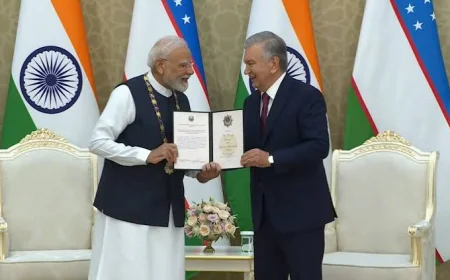
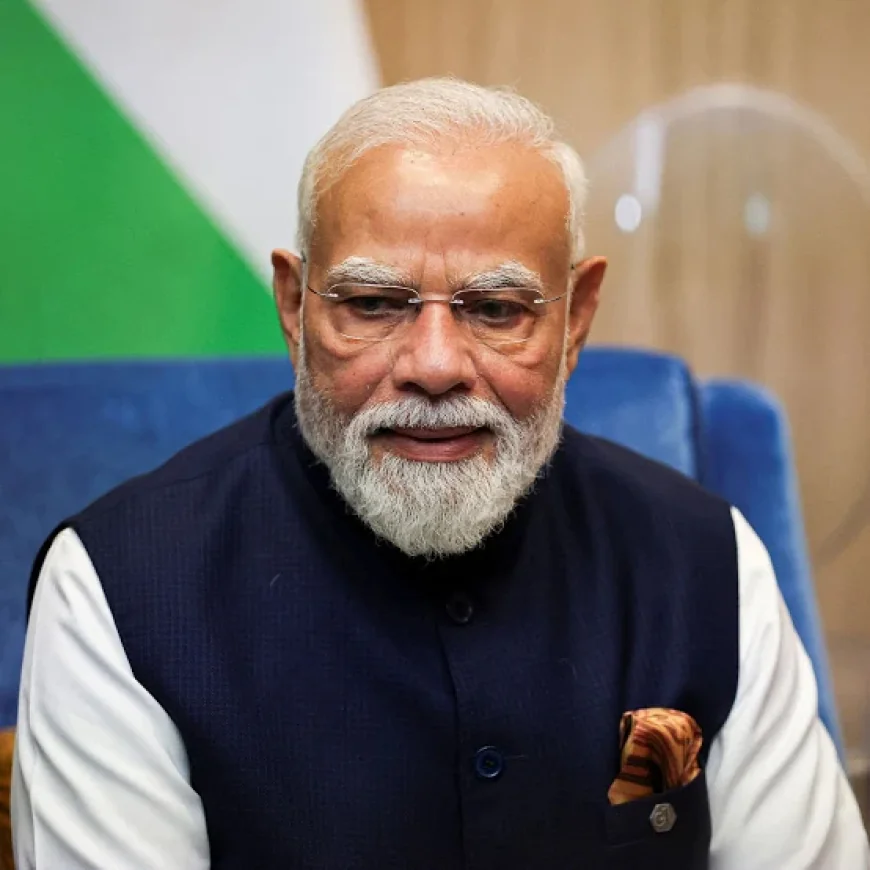
Prime Minister Narendra Modi's visit to New Zealand has elevated the bilateral ties after his wide-ranging talks with Christopher Luxon, several agreements and an address to the Indian diaspora, the MEA said.

The global diplomatic landscape is on absolute high alert as a massive wave of bilateral cooperation—stretching right through the heart of the Indo-Pacific region—barrels through the capital networks. It is tracking to be the most heavily scrutinised prime ministerial summit to test trade alliance power since recent regional economic realignments. While ministry strategists finalised their routine communication frameworks in secure diplomatic offices, the aggressive rollout of an ambitious new partnership hit global markets instantly, leaving international trade councils and foreign policy experts scrambling as a grand bilateral agreement redefines strategic priorities.
Breakthrough in the South
The partnership's initial operational momentum hit the heavily relied-upon trade corridors of the Commonwealth hardest. A sudden, massive push across an expansive layout of concrete outcomes completely dominated the diplomatic agenda but failed to escape intense scrutiny over long-term execution timelines.
The Ministry of External Affairs and bilateral tracking officials confirmed the elevation of ties to a formal strategic partnership, leaving the historic four-decade prime ministerial hiatus firmly in the past. Implementation teams are analysing trade tariff logs on a war footing, though an increasingly complex maritime landscape and a stubborn holdover of global supply chain disruptions are making the overall economic climb incredibly treacherous.
The Path of the Blueprint
Even though the bilateral apparatus frequently taps into an ultra-loyal and dynamic diaspora base, the current diplomatic storm is packing massive implementation expectations with terrifyingly critical growth demands over the next four years.
The Economic Target: The local import-export footprint is experiencing what economic specialists warn could be its most telling market-access test in decades. Trade analysts are predicting that the ambitious blueprint—aiming to double annual goods and services flow to a staggering ₹35,000 crore by 2030—will need to sweep middle-tier technological and agricultural sectors directly into active collaboration to offset historical trade deficits. In response, major innovation hubs recorded the bulk of the week's initial MoUs, with specific technological frameworks peaking in focus during the high-level delegation tables—and corporate forums have put their entire investment apparatus on active standby to track capital flows.
The Defence Alignments: The partnership is sending an intense front screaming directly over a chain of heavily contested maritime lanes, bringing sharp, domain-snatching security coordination and a distinct split in regional defence posture before the next multilateral forum meets.
The Pacific Equation
The sudden escalation to a high-value strategic alliance has exposed terrifying vulnerabilities in conventional foreign policy models. Diplomatic experts warn that high-level handshakes alone no longer guarantee automated trade windfalls in a hyper-sensitive global economy. While creative policy directors scramble to defend the project's broad, multi-sector appeal, local export associations are demanding immediate, targeted regulatory shifts to secure lucrative maritime shipping lines before competing global superpowers lock down dominant trade routes across the Pacific.
The Tarmac Protocol
The symbolic closing of the state visit has highlighted the raw intensity of the newly forged bonds. Prime Minister Christopher Luxon personally accompanying his counterpart to the runway tarmac provided a final, high-stakes visual confirmation of a rapidly evolving alliance. While security details maintained a tight protocol loop, the rare personal send-off signalled a profound departure from routine bureaucratic handshakes, cementing an ambitious geopolitical alignment under the global media glare.
The Immediate Reality: Across local administrative capitals from New Delhi to Auckland, routine foreign office schedules have been picked completely clean of standard updates and replaced by immediate implementation roadmaps, security dialogue setups, and strict tracking of bilateral agreements. Fleet logistics coordinators are desperately racing to optimise naval support pacts ahead of schedule, while data networks across thousands of trade interfaces have been optimised to push the strategic framework in a frantic bid to ride out the incoming wave of global economic competition.
What's Your Reaction?
 Like
0
Like
0
 Dislike
0
Dislike
0
 Love
0
Love
0
 Funny
0
Funny
0
 Angry
0
Angry
0
 Sad
0
Sad
0
 Wow
0
Wow
0