

























Marriage Does Not End Daughterhood: Supreme Court Expands Legal Definition of Family
The Supreme Court has held that a married daughter is a part of her parental family and that marriage cannot be a ground to deny welfare benefits or legal recognition under the definition of “family”.

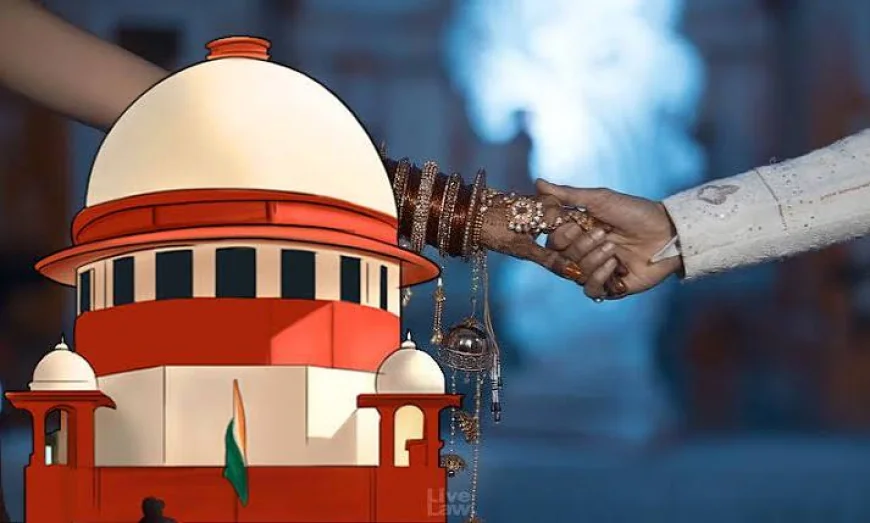
The formal legal language of a “landmark judgement” hides a deeply personal struggle faced by millions of Indian women every day: the painful, systemic assumption that the moment a daughter utters her wedding vows, she becomes a stranger to the home that gave her life.
The Supreme Court’s intervention that says marriage does not end daughterhood is not simply tweaking a bureaucratic policy; it is rewriting the social contract for families across the country.
The Price of a Ruthless Bureaucracy
A very real family crisis in Uttar Pradesh kicked off the long legal battle. Then, when a mother died, her married daughter came forward to claim the compassionate allotment of her mother’s fair-price shop—the family’s only source of income. She wasn’t a stranger looking for a handout; she was the woman who lived with, cared for and financially supported her mother until her last breath and was the primary guardian for her younger sisters.
But when she approached the local authorities, she was met by a cold, administrative dismissal. There was a strict government rule that now that she was married, she was no longer legally part of her mother’s “family”.” Her marriage, in the eyes of the state, had erased her obligations, her love, her right to save her family from financial ruin.
Demolishing the Old Blueprint
For generations, Indian society has operated on a deeply ingrained, patriarchal notion of paraya dhan, the idea that a daughter is merely property temporarily held before being permanently transferred to another household. This ancient scheme has crept into hundreds of state welfare statutes, government pension schemes and merciful employment laws, systematically robbing married women of the opportunity to take care of their elderly parents.
The Supreme Court bench utterly destroyed this presumption. The judges noted the emotional, social and economic ties between a daughter and her parental home do not magically disappear at the marriage altar. The court’s determination that a woman’s marital status has no rational connection whatsoever to her financial needs or her ability to provide for her natal family was a massive blow against the legal fiction that a son is a lifetime asset and a daughter a temporary guest.
A Fresh Legacy
The impact of this verdict goes well beyond a single shop licence in Uttar Pradesh. This decision sets a huge legal precedent for state governments across the country to audit and clean up their welfare laws, pension laws and employment schemes.
This ruling is a major cultural shift. The True Definition of Family It celebrates the thousands of daughters who quietly care for their ageing parents, orchestrate medical treatments, and anchor their childhood homes while managing their own married lives. The highest court in the land has at last brought the law in line with human reality, pronouncing that no marriage certificate can ever erase a daughter's love, duty and place in her family.
What's Your Reaction?
 Like
0
Like
0
 Dislike
0
Dislike
0
 Love
0
Love
0
 Funny
0
Funny
0
 Angry
0
Angry
0
 Sad
0
Sad
0
 Wow
0
Wow
0