






















Ken-Betwa Protest Explained: Why Tribal Communities Are Opposing the River-Linking Project
Tribal families in Madhya Pradesh are protesting the Ken-Betwa river-linking project over displacement, compensation, rehabilitation and environmental concerns linked to the proposed Daudhan dam.

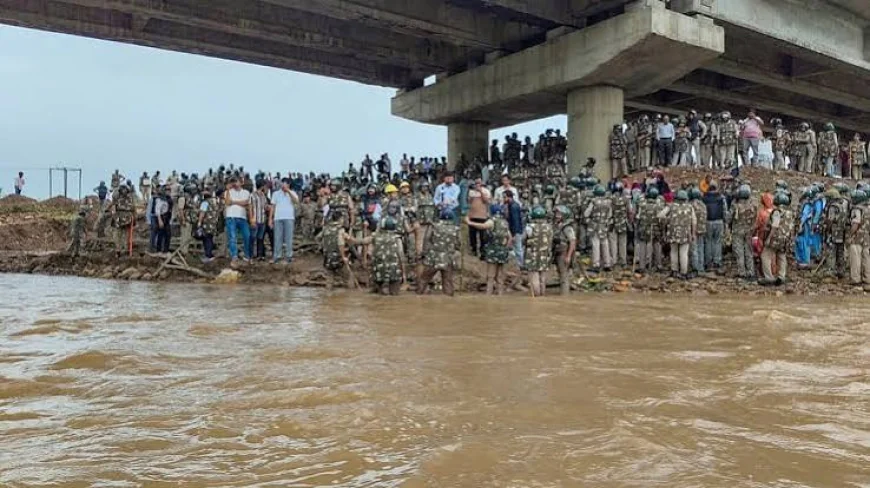
Grand Vision Confronts Ground-Level Resistance
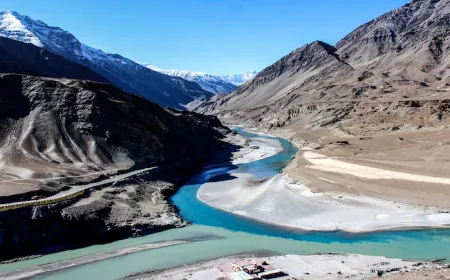
The ambitious Ken-Betwa River Linking Project has been touted for long as a game-changing engineering marvel to transfer surplus water from the Ken river to the Betwa river, finally free chronic water scarcity in drought-prone parts of Bundelkhand spread across Madhya Pradesh and Uttar Pradesh. But behind the great promises of irrigation and drinking water security lies a deep human crisis. Yet tribal families in the districts of Chhatarpur and Panna in Madhya Pradesh refuse to be silenced, saying the project’s staggering human and environmental costs have been swept under the rug.
Displacement and loss of identity
At the heart of the turmoil is the terrifying prospect of forced displacement. Communities living around the proposed Daudhan dam and its sprawling canal system will lose ancestral homes, productive farmland, rich forests and a livelihood passed down through generations. Vulnerable tribal groups like the Gond and Kol communities say they are being asked to give up links to lands that are the foundation of their social, cultural and economic existence. For these families, relocation is not simply a change of address, it is a threat to their very way of life.
Broken Promises, Compensation and Resistance
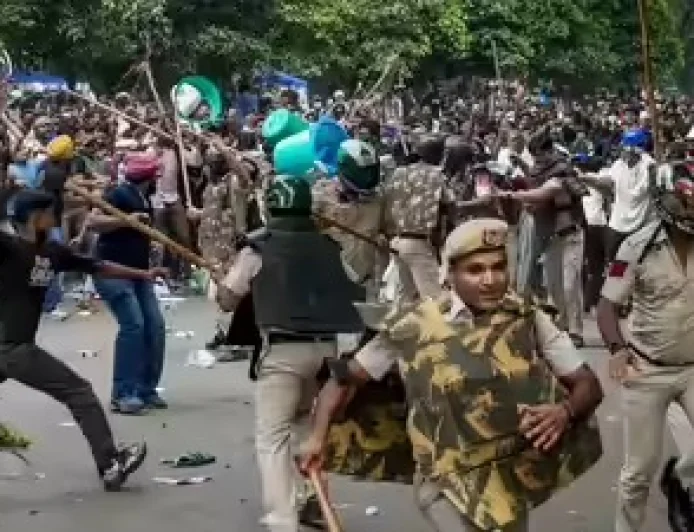
Protesters have been increasingly vocal about poor compensation packages as well as systemic irregularities, with accusations that real local households were overlooked while non-residents collected benefits. Women leading the protests have vociferously called for equal recognition in rehabilitation plans, stressing that monetary compensation can never substitute productive cultivable land, forest access or stable community structures. To be heard, agitators have resorted to potent, symbolic forms of resistance – hunger strikes, jal satyagrahas, mitti satyagrahas and mock funeral pyres to articulate their fear of losing everything.
Environmental Warnings: Where Do We Go Now?
Adding fuel to the fire is the project’s heavy ecological footprint, and its direct impact on the Panna Tiger Reserve landscape. Environmentalists and local groups warn that massive submergence, construction and canal excavation will irreversibly fragment critical wildlife habitats and disturb the natural flow of the Ken river. Critics still challenge the underlying premise of water surplus, warning that removing water might starve downstream ecosystems. The government calls the project a vital lifeline for Bundelkhand. Yet the ongoing resistance poses an urgent and unanswered question: can regional development be truly successful when it is built on the displacement and despair of its most vulnerable citizens?
What's Your Reaction?
 Like
0
Like
0
 Dislike
0
Dislike
0
 Love
0
Love
0
 Funny
0
Funny
0
 Angry
0
Angry
0
 Sad
0
Sad
0
 Wow
0
Wow
0