




















Iraq Signs 48 Agreements with US Companies, Plans Oil Route Bypassing Strait of Hormuz
Iraq signed 48 preliminary agreements with American companies worth approximately $60 billion, including plans to rebuild an oil pipeline through Syria.

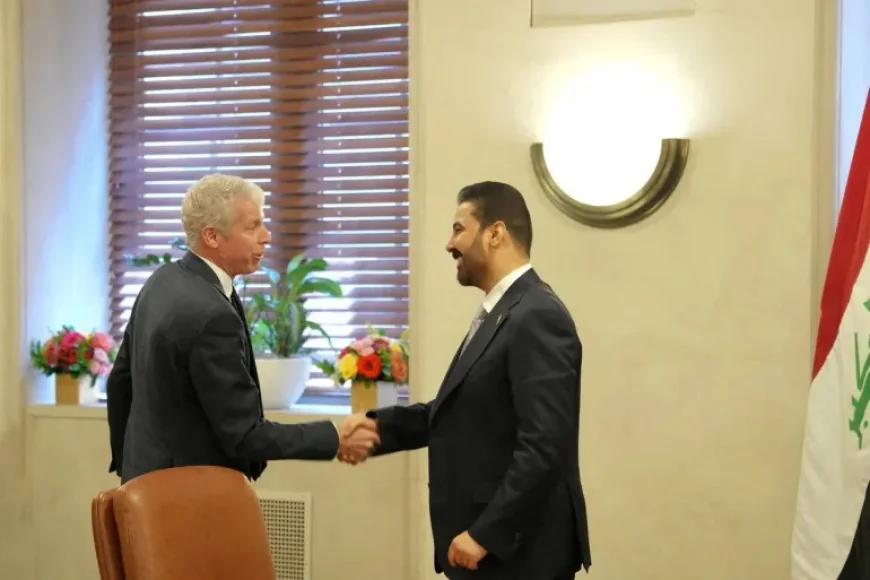
The 48 deals inked in Washington this week are more than corporate contracts for the Iraqi people; they are a fragile, long-awaited effort to break away from a history of instability and towards a future of economic self-sufficiency.
Lifeline for a sick economy
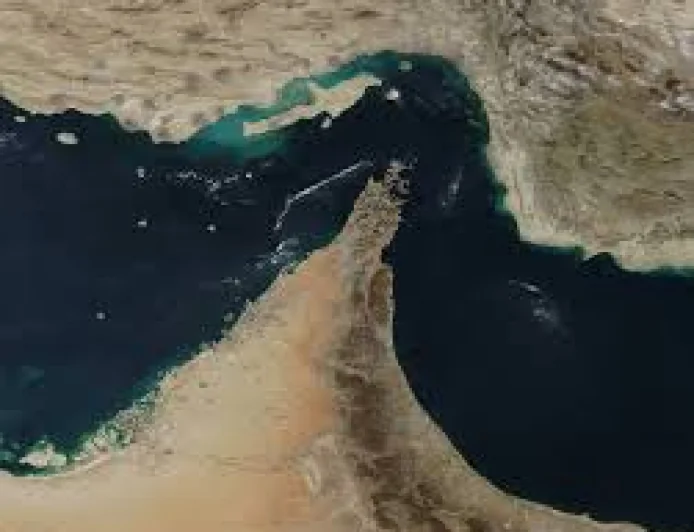
For decades, Iraq has been dealing with the scars of war, and for the common man, that fight has been represented by sporadic electricity, ageing infrastructure, and an economy that seems to constantly be at the mercy of regional conflicts. When recent tensions cut off oil exports through the Strait of Hormuz, the effect was immediate and brutal on the country’s income.
For many, the big news is the plan to rehabilitate the Kirkuk-Baniyas oil pipeline. It's been a ghost of a project, closed since the 1980s, shattered during the 2003 invasion, but now it's being seen as a vital "bypass" that could finally give Iraq a route to Mediterranean markets independent of the volatile Gulf. For a country that is forced to walk a tightrope between competing regional powers, this is not just an infrastructure project, but a desperate bid for strategic breathing room.
The Human Face of ‘Modernization’
Below the headlines of oil and geopolitics, these deals could alter the daily lives of Iraqis in ways that could be truly transformative:
Connecting the Country: The deal with Starlink to bring satellite internet to Iraq is perhaps the most tangible change for the younger generation, providing a bridge to the global digital economy that has been out of reach for too long.
A Promise of Basic Services: With the likes of GE Vernova and Halliburton working on electricity and infrastructure, there is a glimmer of hope that the persistent power outages that plague Iraqi summers might finally see a sustained solution.
New Horizons: Even the most unlikely deals with the likes of PepsiCo and Keysight Technologies show an effort to develop a private sector that does not just wait for government oil checks.
A Future of Hope—and Challenges
There’s an unmistakable optimism to these signings, especially with Prime Minister Ali al-Zaidi positioning himself as a more business-oriented leader than a fighter. But there is also a weary realism among those who have heard 'big announcements' before.
The scope of these projects is huge – it will take years of engineering and security cooperation to revive the pipeline alone. The success of these deals will rely almost entirely on whether this momentum can be sustained in the face of the brutal reality of regional politics and whether the promised investment will actually reach the schools, hospitals and homes that need it most.
Iraqis are watching to see if these signatures become real. For now,
What's Your Reaction?
 Like
0
Like
0
 Dislike
0
Dislike
0
 Love
0
Love
0
 Funny
0
Funny
0
 Angry
0
Angry
0
 Sad
0
Sad
0
 Wow
0
Wow
0