















India’s Student Protests Turn Education Crisis Into a Political Challenge for Modi
Student protests over alleged paper leaks and education-system failures have grown into a wider political challenge for the Narendra Modi government, with protesters refusing to back down.

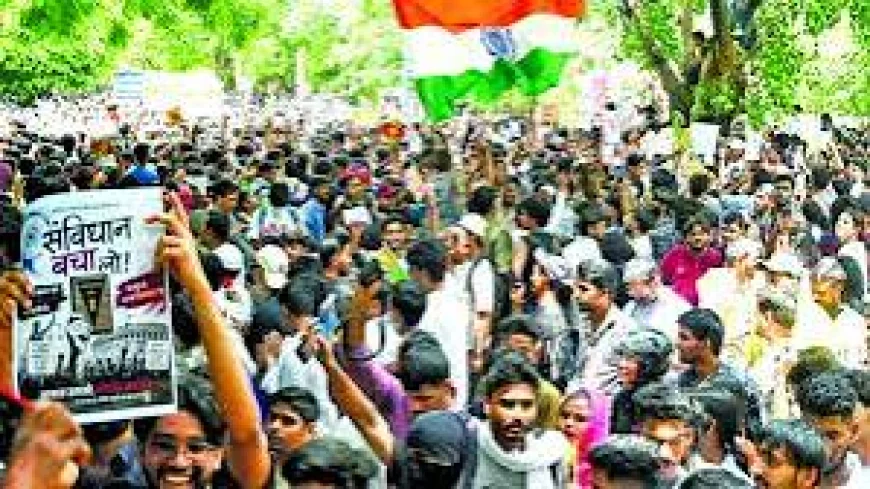
A profound political and psychological revolution is reshaping the contours of modern Indian democracy. What was a localised wave of outrage over recurring competitive examination scandals has now become a sprawling, decentralised youth-led uprising. India’s Gen Z has challenged the sense of invincibility surrounding Prime Minister Narendra Modi’s administration, led by movements such as the Cockroach Janta Party (CJP) and driven by digital native organising.
The End of Intimidation
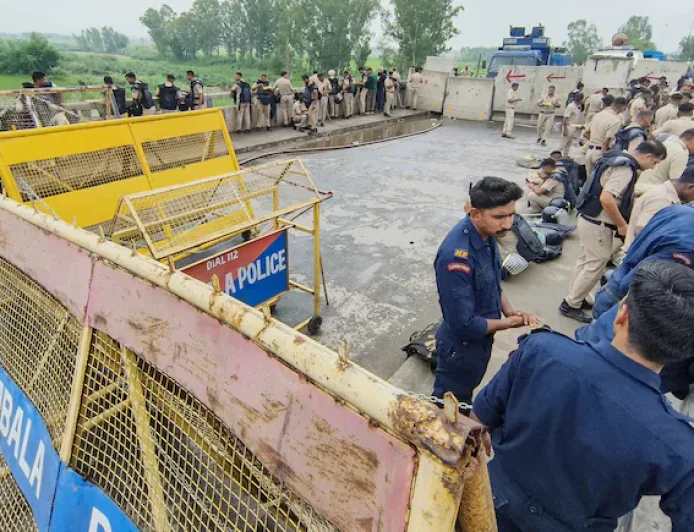
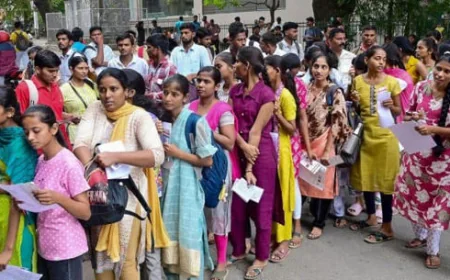
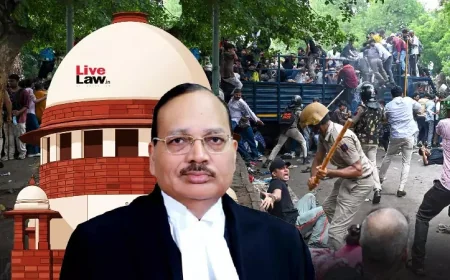
Over the last decade, India has witnessed a brutal institutional pushback against political dissent, creating a climate where fear often silenced opposition. But the dynamic has been reversed on the streets of New Delhi and throughout the major urban centres. Heavy-handed police tactics, internet blackouts, barricades, water cannons and tear gas have not driven students, activists and ordinary citizens to retreat but have led them to stand together defiantly. In the face of state barriers, protesters have found creative ways to circumvent digital censorship, transformed police barricades into symbols of playful resistance, and turned water cannon barrages into impromptu community gatherings.
A Direct Challenge To Central Authority
That sort of friction has laid bare the vulnerabilities of an administration that depends heavily on centralised control and image management. The movement’s demands, which started from systemic education reforms and accountability for serial exam leaks, have slowly broadened to the upper reaches of executive power, calling for the resignations of key ministers and pulling in wider coalitions. Systematic failures have led to mobilisation of families, return of farmers with logistical support and unification of opposition factions around the student vanguard, turning a sectoral grievance into a referendum on governance, civil liberties and democratic integrity.
A Changing National Mood
This wave of youth activism has lifted the paralysing aura of intimidation to reveal a changing national mood. The younger generation of Indians has fundamentally changed the political equation by not succumbing to institutional pressure and showing that public fear can be overcome by a collective resolve.
What's Your Reaction?
 Like
0
Like
0
 Dislike
0
Dislike
0
 Love
0
Love
0
 Funny
0
Funny
0
 Angry
0
Angry
0
 Sad
0
Sad
0
 Wow
0
Wow
0