



















India's Ethanol-Blended Fuel Push Sparks Debate Over Vehicle Performance and Energy Security
India's ethanol blending programme has been touted as a way to cut oil imports and emissions, but worries have been raised about its long-term impact on vehicle performance, fuel efficiency and engine compatibility.

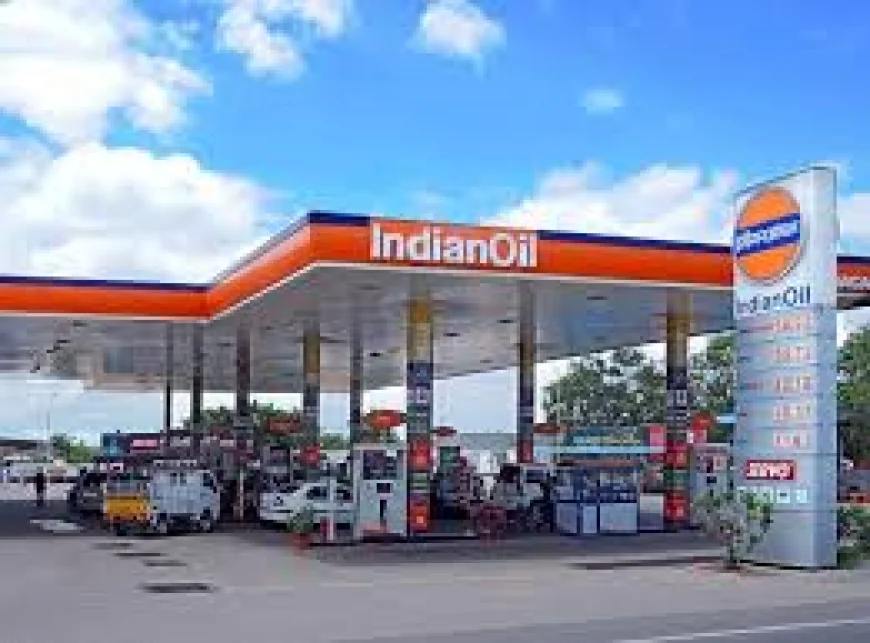
The Core Conflict: Big-Picture Goals Versus The Average Driver
People aren't going to get all worked up over this debate just because they hate clean energy. Because macroeconomic strategy is colliding head-on with the ground reality of owning a car or scooter in India.
The government is monitoring the scoreboard – saving billions on oil imports and reducing emissions. But the guy who starts up his scooter on a rainy morning is looking at his wallet, watching his mileage drop, and wondering if his engine is taking a hit.
The state wins big on one side: less foreign debt and a boost for local farmers. Meanwhile, the commuter has a car that suddenly feels a little thirstier and the nagging worry of expensive repairs in the future.
1. The Chemistry (And Why The Mechanics Worry)
Ethanol isn’t just “green petrol” – it acts very differently in a tank of fuel.
The Water Problem Water is an ethanol friend. If your car is left idle during a humid monsoon, the ethanol draws moisture from the air, separates from the petrol and sinks to the bottom. When you crank the engine, that watery mix gets sucked up and the engine coughs and stalls.
Ethanol is a solvent. The Corrosion Problem. In older engines it can eat away at rubber seals, plastic fuel lines and metal tanks over time.
2. The Time-track Snare
From a logistics point of view, India has beautifully fast-tracked the E20 (20% ethanol) rollout. But the cars and bikes on the road last for a long time, and that creates a massive gap:
The New Fleet: If you bought a car after April 2023, you’re pretty much good to go. Rubber compounds were upgraded and engines retuned to cope with E20.
The Left-Behind Fleet: Currently, millions of vehicles running on Indian roads were designed for E10 at the most. For these owners, E20 is not so much a policy upgrade as an unwelcome science experiment.
The Bitter Pill of Mileage. Sorry, but you can't get around the physics here. Ethanol has about one third less energy density than pure petrol. Filling up with E20 means you are effectively purchasing less energy per litre. You will get fewer kilometres per full tank. That means you pay the same price at the pump, but you visit it more often.
After all, the policy is doing what it was supposed to do for the Indian economy, keeping the cash in the country and supporting rural farmers. But for the average motorist in an older car, that macroeconomic win comes with a side of increased maintenance anxiety and decreased fuel economy.
What's Your Reaction?
 Like
0
Like
0
 Dislike
0
Dislike
0
 Love
0
Love
0
 Funny
0
Funny
0
 Angry
0
Angry
0
 Sad
0
Sad
0
 Wow
0
Wow
0