

























India Allows Four Chinese-Linked Power Equipment Firms to Bid for Government Projects
India clears four Chinese-linked power equipment firms to bid in government tenders after security checks The move is meant to boost competition and help the country’s expanding power infrastructure, while keeping security closely in mind.

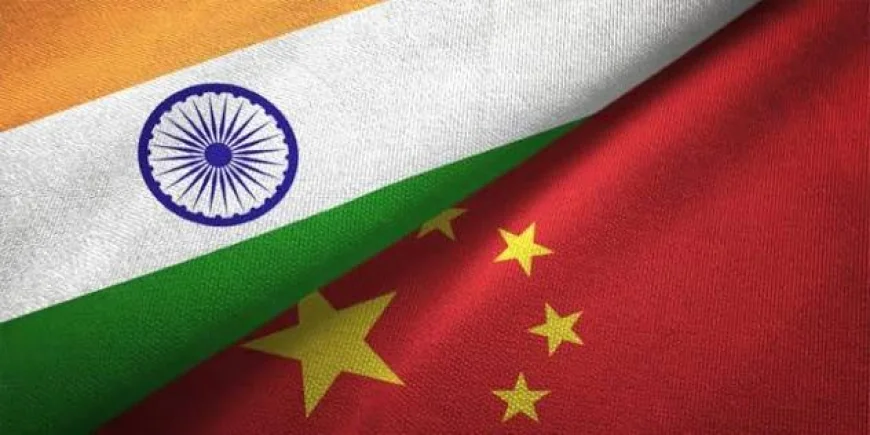
This is beyond a policy wonk update on grid infrastructure. This is a huge plot twist in a grand geopolitical chess match. Beneath the bureaucratic language is the story of a pragmatic, temporary truce with India’s biggest regional rival driven by India’s desperate need for electricity.
The backstory: Kicking China out of the grid
To understand why this is so important, just think back to the intense fighting between Indian and Chinese troops in the Galwan Valley. India responded with a massive economic counter-offensive.
Effectively, New Delhi barred Chinese companies from the country’s digital and physical infrastructure. Mobile apps were banned, and a hard-and-fast rule was put in place: any company from a country that shares a land border with India must get special security clearance before they can even get their hands on a government contract. The door had been slammed shut for years: national security before cheap imports.
The Problem: India is Running Out of Power Gear
Fast forward to today. India’s economy is booming, and the country has an unprecedented thirst for electricity. At the same time, the nation is trying to pull off an ambitious transition to green energy by building huge solar and wind farms.
But there’s a big catch. To get all that new electricity from remote deserts and coastal areas into the homes of hundreds of millions of people, you need highly specialised heavy-duty electrical equipment. Think about large high-voltage transformers and gas-insulated switchgear.
There simply aren’t enough local manufacturers in India to make them fast enough. Critical grid projects have been threatened with delays due to shortages, with fewer companies also bidding for government tenders, resulting in skyrocketing prices for projects. As the green energy transition was heading for a bottleneck, India’s Power Ministry did a practical calculation: We need more factories in the game.
The Fallout: Stock Market in Panic
The financial world felt the human element of this story right away. The second this order was made public, it sent shockwaves through the Indian stock market.
Shares of Indian engineering giants like Hitachi Energy India, CG Power and GE Vernova T&D crashed 8% to 10% in a single morning. Suddenly local executives and investors realised the highly profitable, exclusive playground they had enjoyed for years was about to be seriously challenged again.
The Tightrope Walk to Come
The Indian government was eager to emphasise that this was a temporary emergency measure to keep the lights on, not a permanent forgiveness note. The two-year exemption comes with a stern warning that it should not be taken as a precedent for other industries such as telecom or defence. These companies will still be under close watch for every single bid they make and are not off the hook for background security checks.
It is, after all, a fascinating insight into real-world politics: Even when two global superpowers are at a tense standoff at the border, the absolute necessity of keeping the electricity flowing can still bring them to the same business table.
What's Your Reaction?
 Like
0
Like
0
 Dislike
0
Dislike
0
 Love
0
Love
0
 Funny
0
Funny
0
 Angry
0
Angry
0
 Sad
0
Sad
0
 Wow
0
Wow
0