



























Oil Holds Above $100 as Red Sea Attacks and Kazakhstan Outage Tighten Supply
Oil prices remained above $100 per barrel as attacks on Saudi tankers in the Red Sea and an export disruption in Kazakhstan renewed concerns about global supplies.

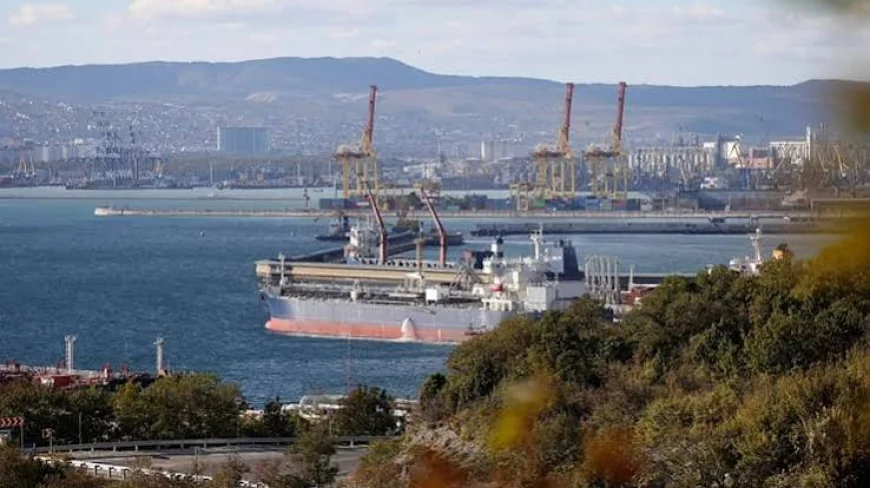
Triple-Digit Oil Returns, a Nervous World Braces for Impact
Just as consumers and industries around the world thought they could finally breathe a sigh of relief, the global energy market has been brutally shocked. Brent crude has broken the psychological barrier and is comfortably above $100 a barrel for the first time in months. The dream of stable fuel prices and cooling inflation has been rudely interrupted.
This resurgence is deeply unsettling for the average commuter, the small business owner and families watching their household budgets stretched to the breaking point. When the price of crude oil skyrockets, it’s not just the pain at the pump; it’s a domino effect that bumps up the cost of groceries, transportation and manufacturing. It is a sobering reminder of how vulnerable our daily lives are to far-away geopolitical tremors.
Choked Arteries: The Red Sea Crisis and the Anxiety of Seafaring
The dangerous escalation in the Red Sea is at the heart of this price increase. The breakdown of regional security arrangements saw aggressive drone and missile attacks on vital oil tankers reverberate through international shipping corridors. The attacks immediately rekindled fears over the potential shutdown of the Bab el-Mandeb Strait, one of the world's most important energy lifelines.
When naval routes are weaponised, shipping companies have to reroute vessels around the tip of Africa, adding weeks to transit times and sending freight insurance costs skyrocketing. The unpredictability of these maritime threats turns a simple barrel of oil into a high-stakes geopolitical pawn, with global markets hanging on a knife’s edge with each new headline.
Beyond the Middle East: Kazakhstan’s Surprise Crisis
These Middle East anxieties are compounded by a similarly disruptive supply shock taking place far away, in Central Asia. Kazakhstan's main energy producers were compelled to scale back output after security concerns and alleged drone attacks idled critical export terminals on the Black Sea.
Operations at the Caspian Pipeline Consortium, which carries some 2% of global daily crude supplies, had to be suspended, slashing production at some of the region's largest fields by more than 50%. When twin crises come at you simultaneously from opposite sides of the globe, there is no margin for error. As the world once more faces the possibility of $100 oil, it is an urgent reminder that real economic stability will require a diverse, resilient energy future.
Just as consumers and industries around the world thought they could finally breathe a sigh of relief, the global energy market has been brutally shocked. Brent crude has broken the psychological barrier and is comfortably above $100 a barrel for the first time in months. The dream of stable fuel prices and cooling inflation has been rudely interrupted.
This resurgence is deeply unsettling for the average commuter, the small business owner and families watching their household budgets stretched to the breaking point. When the price of crude oil skyrockets, it’s not just the pain at the pump; it’s a domino effect that bumps up the cost of groceries, transportation and manufacturing. It is a sobering reminder of how vulnerable our daily lives are to far-away geopolitical tremors.
Choked Arteries: The Red Sea Crisis and the Anxiety of Seafaring
The dangerous escalation in the Red Sea is at the heart of this price increase. The breakdown of regional security arrangements saw aggressive drone and missile attacks on vital oil tankers reverberate through international shipping corridors. The attacks immediately rekindled fears over the potential shutdown of the Bab el-Mandeb Strait, one of the world's most important energy lifelines.
When naval routes are weaponised, shipping companies have to reroute vessels around the tip of Africa, adding weeks to transit times and sending freight insurance costs skyrocketing. The unpredictability of these maritime threats turns a simple barrel of oil into a high-stakes geopolitical pawn, with global markets hanging on a knife’s edge with each new headline.
Beyond the Middle East: Kazakhstan’s Surprise Crisis
These Middle East anxieties are compounded by a similarly disruptive supply shock taking place far away, in Central Asia. Kazakhstan's main energy producers were compelled to scale back output after security concerns and alleged drone attacks idled critical export terminals on the Black Sea.
Operations at the Caspian Pipeline Consortium, which carries some 2% of global daily crude supplies, had to be suspended, slashing production at some of the region's largest fields by more than 50%. When twin crises come at you simultaneously from opposite sides of the globe, there is no margin for error. As the world once more faces the possibility of $100 oil, it is an urgent reminder that real economic stability will require a diverse, resilient energy future.
What's Your Reaction?
 Like
0
Like
0
 Dislike
0
Dislike
0
 Love
0
Love
0
 Funny
0
Funny
0
 Angry
0
Angry
0
 Sad
0
Sad
0
 Wow
0
Wow
0