























IMD Forecasts Below-Normal Rainfall for India in July, Expects 94% of LPA
The India Meteorological Department (IMD) has forecast below normal rainfall in India in July with precipitation at 94% of the Long Period Average of 280.4 mm.

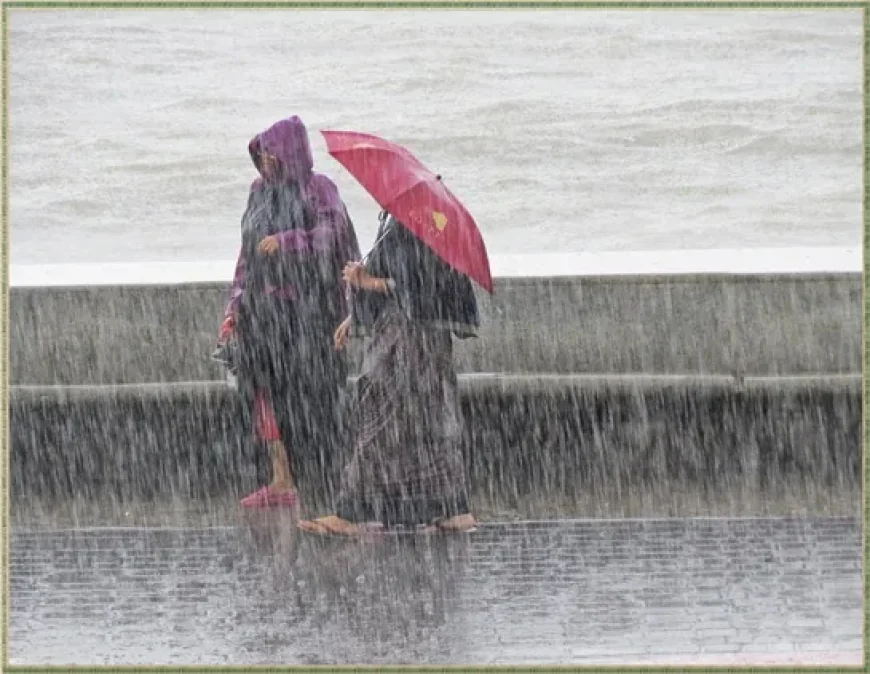
The India Meteorological Department (IMD) has released its critical weather outlook for July with some bad news for the farmers and water management teams. The country is very likely to have a below-normal rainfall deficit this month.
The weather office said total precipitation is likely to be around 94 per cent of the Long Period Average (LPA). Given that July is the wettest and most important month of the southwest monsoon, this dry spell will put serious pressure on the ongoing summer sowing season.
Decoding the Numbers
For context, the historical average for a normal July is around 280.4 mm of rain. Formally, any nationwide total between 90% and 96% of that average is considered "below normal".
The real issues are the timing and distribution of a 6% drop, which may not seem catastrophic on paper. Steady, heavy rain in July is needed for farmers to fill reservoirs and to keep soil wet enough for young crops to take hold.
Regional Differences: One Monsoon, Two Tales
"The national average doesn't mean every town will be dry. IMD predicts sharp differences in rainfall across the country as the month progresses
The Dry Zones: Several key agricultural belts, especially areas in central and western India, are likely to be hardest hit by the deficit. Heavy rains could stall sowing of staples like rice, pulses, maize and cotton due to excessive delays.
The Wet Zones For the flipside, there are some pocket areas in the northwest or deep south that could actually get normal or even surplus showers, a reminder of how unpredictable monsoon systems can be.
Implication for Agriculturalists
The coming weeks will be a balancing act for the Indian countryside. If rains continue to be patchy or late, state governments and farmers will likely need to adapt by tapping backup irrigation or adjusting their planting schedules.
Meteorologists will be watching ocean temperatures and pressure systems over the Bay of Bengal closely to see if the monsoon can have a second wind. For now, it is clear. Monitor local advisories, conserve water where possible and plan your crops well.
What's Your Reaction?
 Like
0
Like
0
 Dislike
0
Dislike
0
 Love
0
Love
0
 Funny
0
Funny
0
 Angry
0
Angry
0
 Sad
0
Sad
0
 Wow
0
Wow
0