















Honeymoon Murder Case: Why Supreme Court Refused to Cancel Sonam Raghuvanshi's Bail
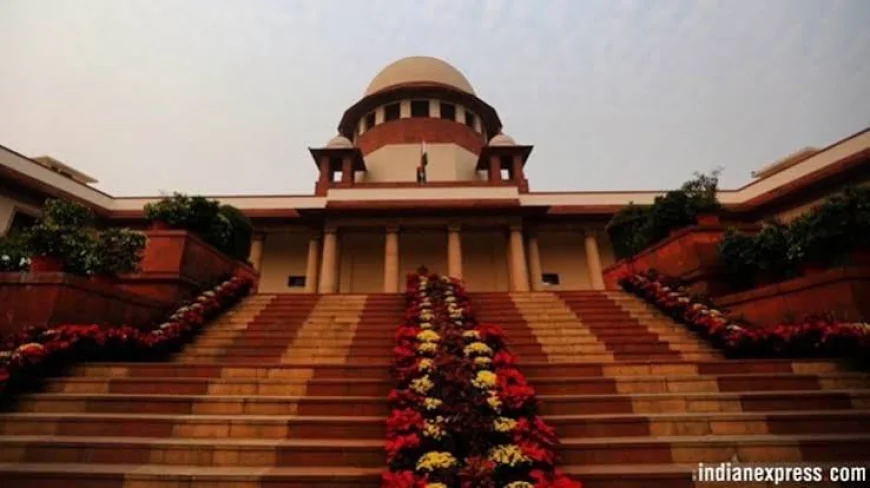
The Supreme Court has refused to stay the bail granted to Sonam Raghuvanshi in the Raja Raghuvanshi honeymoon murder case. That was why, when the court heard Meghalaya’s appeal, it allowed her to stay out on bail.

It’s a tragic, knotty story in which a devastating real-world tragedy has collided head-on with inflexible legal red tape.
Forget the cold legal language, and here’s what is really happening in the Raja Raghuvanshi “Honeymoon Murder” case.
The Human Reality: A Marriage that Ended in a Canyon
This is the nightmare scenario writ large. Raja and Sonam Raghuvanshi were to go to Meghalaya for their honeymoon, their first trip together after marriage. The newly married couple from Indore had headed to Meghalaya in May 2025. It ended in horror instead. Raja disappeared into the dense, foggy hills of Sohra, and ten days later his body was recovered from a deep gorge.
The police quickly spun a dark yarn claiming Sonam was the architect of a chilling, pre-meditated conspiracy, hiring contract killers to kill her husband on the trip. Since day one, Sonam has been denying it tooth and nail and asserting her innocence. She spent more than ten months locked up in a jail in Shillong while a storm of national media attention raged outside.
The $1 million typo: How a typo opened jail doors
So how did someone charged with something as serious as premeditated murder walk out of jail? It wasn’t because a judge decided she was innocent; it was because the police had screwed up the paperwork.
When the police arrest you, the law says they have to tell you exactly why, in writing. It is a fundamental safeguard against illegal detention. But the Meghalaya Police committed a huge and repeated clerical mistake:
They wanted to book her under the law for murder (Section 103 of India’s new penal code).
But they typed and typed Section 403(1), a section that doesn't even exist in the new law but used to mean "stealing property"—on just about every single official document.
When the case came before the Meghalaya High Court, the judges were furious. They basically said, “If the police can't even be arsed to write down the right law when they're arresting a citizen, they're not thinking straight. The court ruled that police were grossly negligent in their duties and breached her basic rights and ordered her released on bail, despite the horrific allegations.
Why the Supreme Court Said 'Let Her Stay Out' (For Now)
The Meghalaya government was furious with the High Court’s order, saying it was a minor typo not to be given more weight than a man’s murder. They stormed the Supreme Court demanding that Sonam be put back behind bars at once.
But Friday the justices of the Supreme Court took a breath and looked at the practical reality of the situation:
Sonam hasn’t fled post her release: She is complying She’s living quietly in Shillong, following every strict rule the court has handed down to her, and checking in with authorities.
She is already out. The “Bell Cannot Be Unrung": The Supreme Court sending someone back to a prison cell by way of a quick interim order is a big step. They decided it would be unfair to put her away again without giving her lawyers a chance to stand up and argue her side face to face.
At least for now, Sonam gets to sleep in her own bed. The sword of Damocles is still hanging over her. The Supreme Court admitted they had serious doubts as to whether the High Court should have let her out on the basis of a typo.
They have given her notice asking for her reply. Both sides will face each other in a final, high-stakes hearing in the coming weeks.
The Supreme Court pointed out one glaring reality for the prosecutors: if the only reason she got bail was because the police messed up the original paperwork, there is actually nothing preventing the police from fixing their typos, walking up to her door, and arresting her all over again with the correct documents.
What's Your Reaction?
 Like
0
Like
0
 Dislike
0
Dislike
0
 Love
0
Love
0
 Funny
0
Funny
0
 Angry
0
Angry
0
 Sad
0
Sad
0
 Wow
0
Wow
0