
















From Streets to Speakers: CJP's Protest Found Its Rhythm in Music
As the CJP protests gained momentum, music emerged as a powerful symbol of resistance. Protest songs, chants and live performances helped unite demonstrators, boost morale and amplify their message, showing that while protests can be dispersed, their voices continue to resonate.

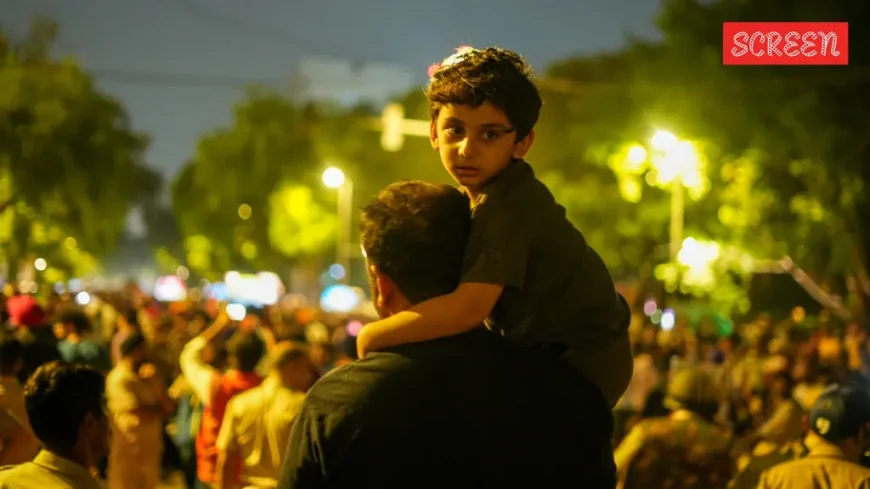
Music becomes the movement's strongest voice
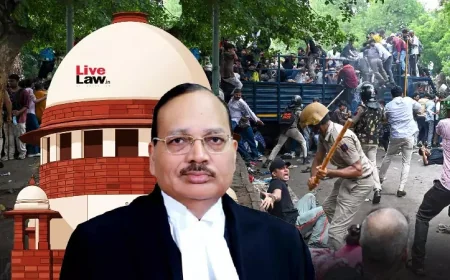
While barricades, tear gas, and heavy police deployment dominated headlines during the CJP protests, another force quietly shaped the movement—music. Protesters gathered around singers, drummers, and spoken-word performers who transformed public spaces into platforms of expression, using songs to communicate hope, unity, and resilience.
Many participants said the music gave them the courage to continue despite long hours, uncertainty, and restrictions. The performances became more than entertainment; they evolved into a shared language that brought strangers together.
Songs echo louder than slogans
Unlike speeches that end when microphones are switched off, songs often remain with people long after protests conclude. Throughout the demonstrations, groups of protesters were seen singing together, creating an atmosphere that balanced determination with solidarity.
Several original compositions, alongside familiar protest anthems, spread rapidly on social media, reaching audiences far beyond the protest sites. Videos of these performances were widely shared, helping the movement gain visibility and emotional connection.
Culture plays a key role in public movements
Music has historically been an integral part of social and political movements around the world. From freedom struggles to civil rights campaigns, songs have helped preserve memories, strengthen collective identity and inspire peaceful resistance.
The CJP demonstrations reflected this tradition, with music serving as a reminder that cultural expression often becomes one of the most enduring aspects of public movements.
A message that lives beyond the streets
As the protests gradually wound down following talks with the government, many participants said the songs would remain a lasting memory of the movement. Even after crowds dispersed, recordings of performances continued circulating online, keeping conversations alive.
The phrase, "You can tear-gas a protest, but not a song," captured the sentiment of many demonstrators—that while authorities can clear streets, they cannot silence ideas carried through music. For many supporters, the melodies heard during the protests have become symbols of unity, resilience and the enduring power of peaceful expression.
What's Your Reaction?
 Like
0
Like
0
 Dislike
0
Dislike
0
 Love
0
Love
0
 Funny
0
Funny
0
 Angry
0
Angry
0
 Sad
0
Sad
0
 Wow
0
Wow
0