




























Fatty Pancreas Disorder Recognised as Distinct Disease Under Melbourne Consensus
An international expert panel has defined fatty pancreas disorder as a separate condition, linking excessive pancreatic fat with risks including pancreatitis and type 2 diabetes.

Clearing Up Decades of Confusion
For years, if a doctor spotted excess fat around a patient's pancreas on an imaging scan, it was usually brushed off as no big deal—just a harmless quirk or a byproduct of getting older. But that is all changing. A massive international panel of experts has officially put an end to the debate, publishing what is now called the Melbourne Consensus in the journal Nature Reviews: Gastroenterology & Hepatology. For the first time, fatty pancreas disorder (FPD) is recognised as a distinct, standalone disease rather than just an incidental footnote on a medical report.
What is the difference?
The experts drew a very important line between just having some fat in the organ and actually having the disease:
-
Intrapancreatic Fat Deposition (IPFD): This is just the medical term for the presence of fat. A little bit of fat is completely normal as we age. Interestingly, this can happen to anyone—even lean, active people—due to a mix of genetics, lifestyle, and environment.
-
Fatty Pancreas Disorder (FPD): This is where things turn serious. FPD happens when that excess fat goes on the offensive, actively damaging the pancreas's structure and function through chronic inflammation, scarring, and tissue damage.
Why You Should Care
Doctors are warning that ignoring a fatty pancreas is no longer an option because it is tied to some heavy-hitting health risks. The condition can seriously mess with your metabolism, driving up the risk of type 2 diabetes by wearing down the cells that produce insulin. It is also linked to a higher chance of developing pancreatitis (painful inflammation of the pancreas) and, most concerningly, pancreatic cancer.
Diagnosing and Fixing It
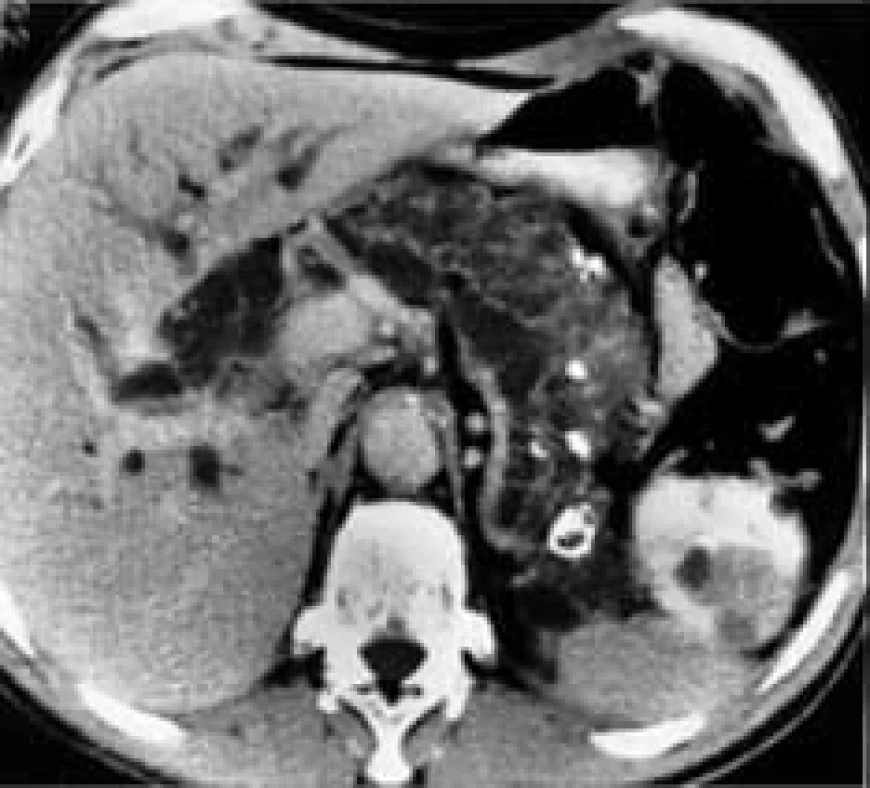
Because older methods like standard ultrasounds struggle to measure pancreatic fat accurately, the panel recommends advanced imaging like MRI-based fat fraction scans for a proper diagnosis.
The good news? Unlike some stubborn health issues, pancreatic fat isn't permanent. Doctors say that lifestyle changes like dropping a few pounds through a sensible calorie deficit, cutting back on excess carbs, eating more protein, and staying active can actually help clear out the fat and protect your long-term health.
What's Your Reaction?
 Like
0
Like
0
 Dislike
0
Dislike
0
 Love
0
Love
0
 Funny
0
Funny
0
 Angry
0
Angry
0
 Sad
0
Sad
0
 Wow
0
Wow
0