









Delhi Ends Hybrid Work Policy as Middle East Tensions Ease, Employees Return to Regular Office Schedule
Delhi govt scraps hybrid work policy introduced during Middle East crisis citing easing geopolitical tensions and improved fuel supply conditions

The clinical terms “hybrid transition” and “operational schedules” cloak a very unusual human story about how a massive global conflict directly impacted the morning routine of a regular clerk in New Delhi.
The Delhi government’s decision to withdraw its work-from-home policy is not just an administrative tweak. It is the last page of a strange social experiment.
1. The Unexpected Shift to the Dining Table
The sudden mandate in May came as a massive shock to the system for tens of thousands of Delhi government employees. It was not a pandemic or a local weather crisis, but high-stakes international conflict half a world away.
As global energy lines tightened and a national fuel-saving campaign was launched, everyday office workers suddenly found their home lives turned upside down. Overnight, bedrooms became work spaces, and families had to adjust to the strict, quiet routine on Wednesdays and Saturdays. For two months, a local administrative clerk was literally told, *"Your contribution to national security and economic resilience is to stay off the roads and type from your kitchen table.*
2. The Commuter's Relief and the Impending Fear
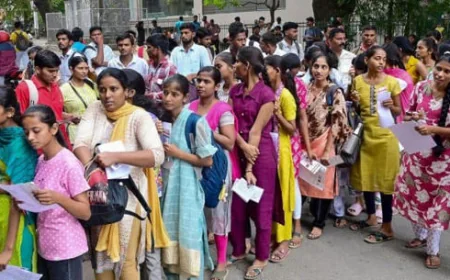
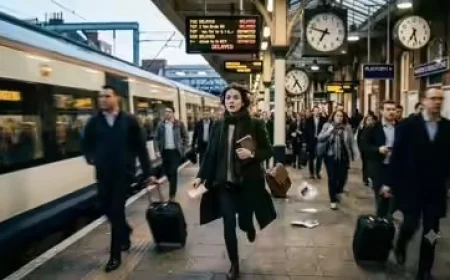
For the employees, the hybrid model came as a surprise blessing during the notoriously brutal summer heat of Delhi. It meant less fighting suffocating traffic, congested roads and breathing in heavy city smog for two days a week.
They collectively sigh in exhaustion at the news that they have to go back to a full in-person schedule. While people are happy the global crisis has settled, the human reality of going back to the office full-time means preparing for the return of the gruelling daily commute, re-arranging childcare, and giving up those small, quiet pockets of balance that working from home provided.
3. The Grand Experiment and its Wounds 3. The Grand Experiment and its Wounds
Also gone is a string of very visual public measures. It was the time of "Metro Mondays," when senior bureaucrats and ministers had to give up their official cars and get on crowded metro coaches with the common man to save fuel.
But the policy is ending because global oil flows are stable again and it has made a permanent mark on the city's work force. It proved that a big, old-fashioned bureaucracy *can* switch to telecommuting in a matter of days if the pressure is high enough. As workers unplug their home laptops and head back to their desks, they are not just returning to an old routine, but walking back into a system that now knows exactly how flexible it can be when pushed to the brink.
The cultural change: This temporary crisis changed the unwritten rules of government work in a fundamental way. For decades “being at work” in a government department meant physically sitting in a designated chair, surrounded by stacks of paper. A geopolitical crisis that drove the system online to save on fuel has, without intending to, sped up a cultural shift that would have taken a generation.
What's Your Reaction?
 Like
0
Like
0
 Dislike
0
Dislike
0
 Love
0
Love
0
 Funny
0
Funny
0
 Angry
0
Angry
0
 Sad
0
Sad
0
 Wow
0
Wow
0