












“Can’t Lathicharge Just Because There Is Agitation”: Supreme Court
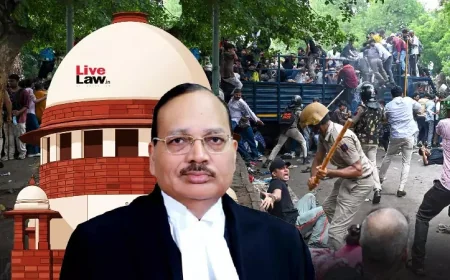
The Supreme Court made the observation while hearing petitions seeking a probe into the alleged use of tear gas and batons against protesting students during their July 20 “Sansad Chalo” march to Parliament.

The Supreme Court Slams Police Over Brutal Crackdown on Student March
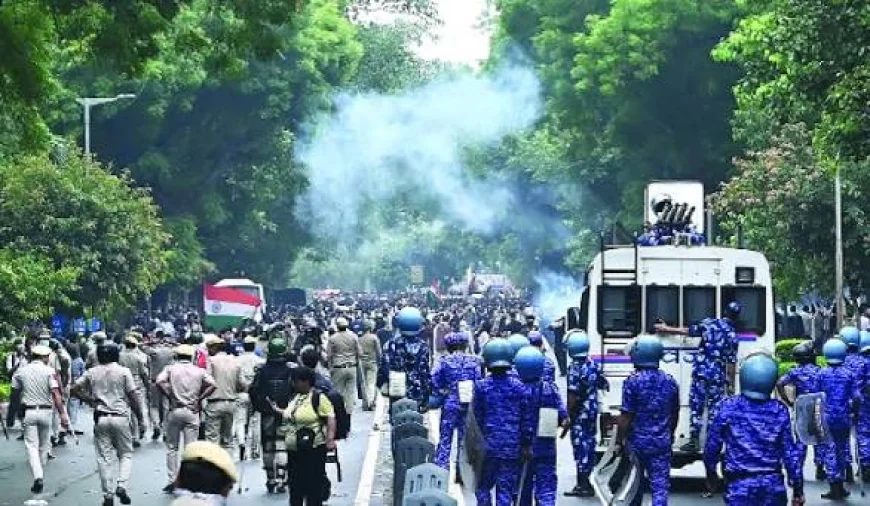
The legal fallout from the violent clashes that left the capital reeling has landed squarely at the doorstep of the country's highest court. The Supreme Court aggressively pulled up law enforcement brass over their heavy-handed reaction to student demonstrations, delivering a razor-sharp warning that cops cannot simply start cracking skulls and launching tear gas the second a protest kicks off.
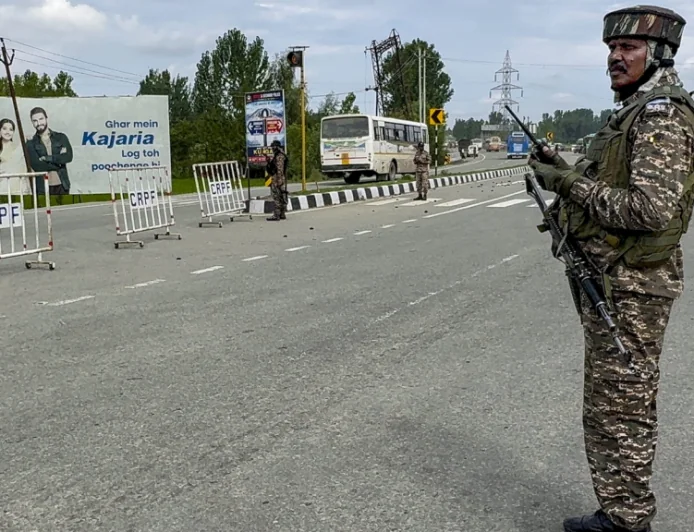
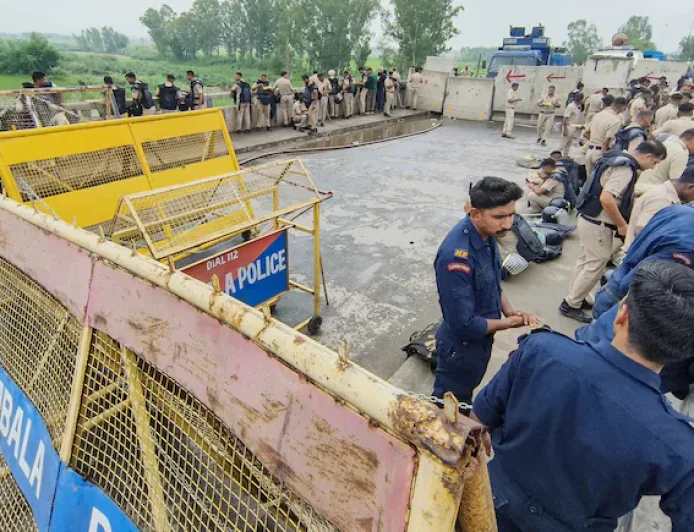
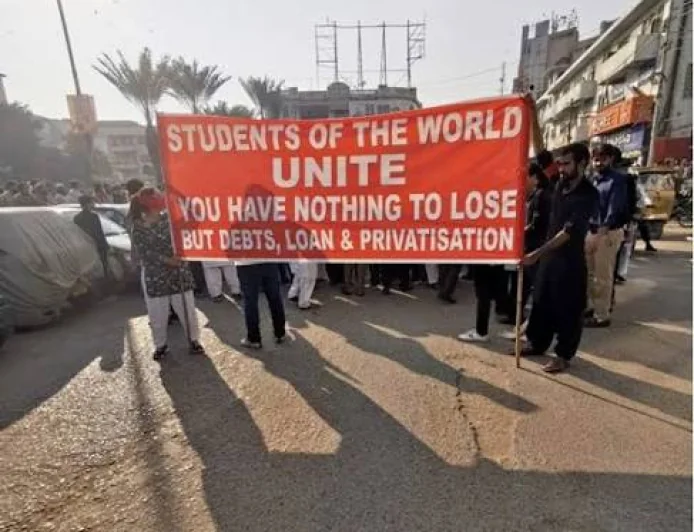
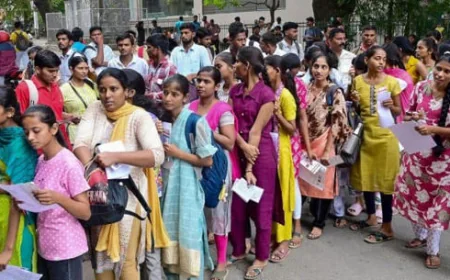
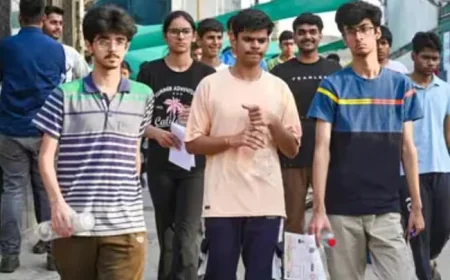
The scathing rebuke dropped during a high-stakes hearing centred on a clutch of petitions demanding an independent judicial inquiry into the chaos of July 20. On that fateful day, thousands of frustrated young job seekers and test aspirants marching toward Parliament in a "Sansad Chalo" rally were met with an iron wall of barricades, quickly escalating into a chaotic battleground marked by choking gas and swinging batons on public streets.
Questioning the Line Between Order and Brutality
During the courtroom grilling, a bench of apex justices aggressively questioned state lawyers over the sheer proportionality of the force unleashed on unarmed kids. The bench drove home a fundamental truth: in any functioning democracy, hitting the streets to protest is a bedrock constitutional right. Law enforcement agencies don't get a blank check to dish out unchecked violence just because a crowd gets fired up or unruly.
Lawyers arguing for the petitioners pointed out that the march—sparked by the raging exam leak scandals and intense agitation led by student networks like the Cockroach Janta Party (CJP)—was hit with a calculated, aggressive crackdown meant to bully young people into silence. The judges made it crystal clear that while keeping the peace is a cop's job, state machinery has a legal duty to exercise extreme restraint instead of turning a tense standoff into a bloody free-for-all.
Forcing Accountability on the Capital's Streets
By agreeing to hear the case, the Supreme Court has signalled that the brutal July 20 police riot won't just get swept under the rug by bureaucratic cover-ups. The bench demanded comprehensive action-taken reports, official logs, and unedited video footage from police headquarters to break down exactly who gave the order to charge.
For thousands of students nursing bruises and nursing deep anger over the state of the country's education system, the court's fiery stance feels like a long-overdue reality check for authorities who thought they could swing their weight around without answering to anyone. The message ringing out from the highest bench is unambiguous: bullying youthful dissent with brute force is no longer going to fly.
What's Your Reaction?
 Like
0
Like
0
 Dislike
0
Dislike
0
 Love
0
Love
0
 Funny
0
Funny
0
 Angry
0
Angry
0
 Sad
0
Sad
0
 Wow
0
Wow
0