






























Brent Crude Hits Five-Week High Above $94 as US-Iran Tensions Heat Up
Brent crude rose above $94 a barrel to a five-week high amid escalating US-Iran tensions. Analysts expect oil prices to remain in the $90–$100 range unless the conflict worsens.

The Geopolitical Pressure Cooker
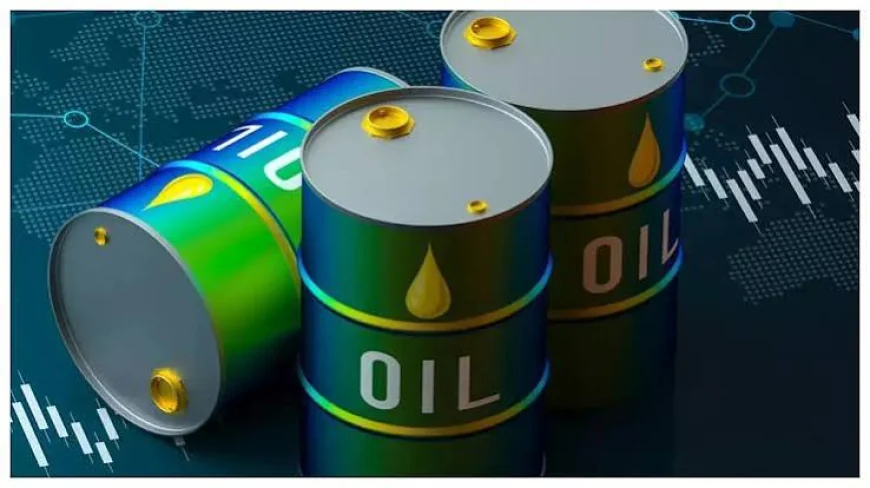
Global energy markets are heating up rapidly once again, with benchmark Brent crude pushing past multi-week highs and touching the $94–$95 a barrel threshold. This sharp upward march is primarily being driven by an intense flare-up in geopolitical hostilities between the United States and Iran, alongside mounting threats to critical maritime trade corridors. As ongoing military developments and naval blockades complicate energy flows across West Asia, traders and institutional analysts are closely monitoring how far the supply friction will stretch global reserves and whether producers can adequately step in to offset the sudden shortfalls.
Escalating Supply Risks and Regional Flashpoints
The renewed volatility stems from a combination of compounding supply shocks that go well beyond traditional supply-and-demand fundamentals. Persistent disruptions near vital maritime choke points like the Strait of Hormuz—coupled with emerging security threats targeting Red Sea shipping lanes and key export terminals—have cast a heavy shadow over international crude transit. While current pricing indicates that markets have not fully priced in a worst-case structural supply shock, the lingering anxiety over tanker safety and export delays has kept upward pressure firmly locked onto near-term futures contracts, leaving traders highly sensitive to every daily headline.
Macroeconomic Fallout and Domestic Stakes
For major importing nations, particularly developing economies heavily reliant on overseas energy purchases, the resurgent oil rally presents a familiar and difficult set of macro pressures. Elevated crude prices threaten to widen trade deficits, strain local currencies, and complicate broader inflation management for central banks trying to balance growth. Although energy markets have become increasingly resilient following earlier extreme price shocks, the lingering threat of prolonged supply constraints means that governments, refiners, and consumers alike remain on high alert as the late-summer trading cycle unfolds.
What's Your Reaction?
 Like
0
Like
0
 Dislike
0
Dislike
0
 Love
0
Love
0
 Funny
0
Funny
0
 Angry
0
Angry
0
 Sad
0
Sad
0
 Wow
0
Wow
0