





























TCPL Bets on New-Age Portfolio for Growth as Tea and Salt Remain Steady
Tata Consumer Products is relying on its new-age portfolio to drive expansion as its traditional tea and salt businesses remain stable. CEO Sunil D’Souza said growth businesses now contribute 36% of the company’s India operations after rising 47% year-on-year.

Tata Consumer Products Turns to Modern Brands as Old Staples Struggle
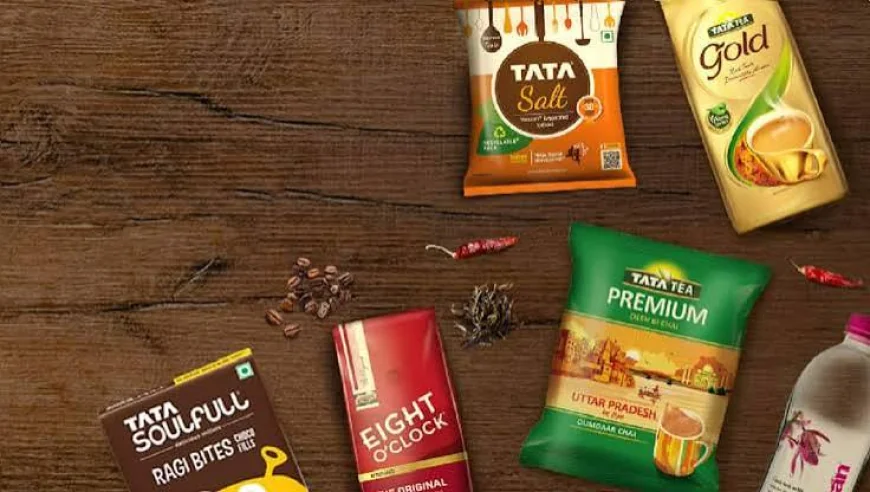
Tata Consumer Products Limited is actively rewriting its playbook, leaning hard into modern lifestyle categories, while legacy mainstays such as packaged tea and branded salt quietly hold down the fort. Managing Director & CEO Sunil D'Souza threw up some eye-popping numbers in a recent post-quarter earnings call, saying that the company's newer growth businesses now contribute 36% to its entire Indian footprint after surging a whopping 47% year-over-year.
Though those trusted staples still form the foundation of household pantries across the country, leadership has made a deliberate pivot to premium snacking, health-conscious foods and convenience beverages. The FMCG behemoth is successfully shaking off its old-school image and tapping into rapidly changing dietary patterns by aggressively wooing younger, urban shoppers via quick-commerce apps and digital-first shopfronts.
How to Balance Cash Cows with High-Risk, High-Reward Bets
The beauty of this strategy is how the old world and the new world complement one another. Traditional tea and salt lines continue to provide a financial safety net with steady, reliable revenues as newer product lines aggressively compete for market share.
But scaling a modern-age portfolio is no walk in the park. To take on agile direct-to-consumer startups, you need to constantly tweak your product, spend heavily on marketing, and have a supply chain that’s fast as lightning. The company is proving it can hustle in today’s retail aisles, where consumer attention spans are notoriously short—and it’s doing so on more than just legacy brand loyalty.
Reading the Tea Leaves for FMCG Future Growth
This strategic shift points to the direction of the broader consumer goods sector. Today’s shoppers want clean labels, functional beverages and premium snacks delivered to their doorsteps in minutes.
And as these emerging segments continue to gobble up a larger portion of total revenue, management seems more than happy to let alternative categories drive the bus. For investors and market-watchers, watching a century-old household name successfully reinvent its pantry is a masterclass in staying relevant when consumer tastes shift on a dime.
What's Your Reaction?
 Like
0
Like
0
 Dislike
0
Dislike
0
 Love
0
Love
0
 Funny
0
Funny
0
 Angry
0
Angry
0
 Sad
0
Sad
0
 Wow
0
Wow
0