













Bangladesh President Mohammed Shahabuddin Resigns Citing Health Reasons
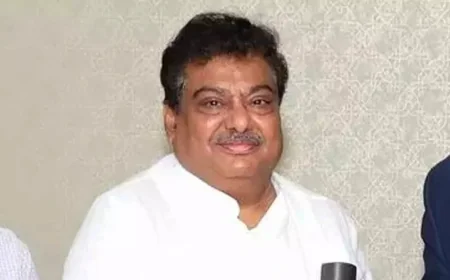
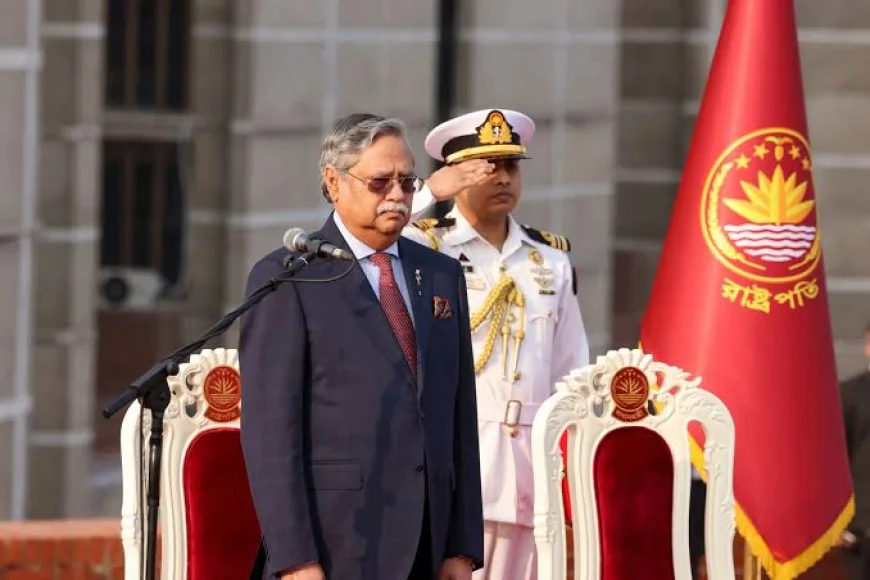
Bangladesh President Mohammed Shahabuddin has resigned two years before completing his five-year term, citing serious health issues. The Speaker of Parliament will perform presidential duties until a successor is elected.

Bangladesh’s President Mohammed Shahabuddin Steps Down As Political Transition Underway
In a significant political development for Dhaka, President Mohammed Shahabuddin of Bangladesh has officially resigned from his position, two years ahead of schedule before his five-year term concludes. The 76-year-old leader formally tendered his resignation to the Speaker of Parliament Hafiz Uddin Ahmed. He cited mounting health complications, including ongoing heart and kidney problems and a diagnosed autonomic neuropathy, but Shahabuddin’s departure follows months of intense political pressure and a sweeping national restructuring of top state offices.
Shahabuddin was the last high-ranking constitutional figure to remain in office with close historical ties to ousted Prime Minister Sheikh Hasina, having been elected unopposed in April 2023 as the nominee of the then-ruling Awami League. After the massive student uprising that brought down Hasina, several political groups repeatedly demanded Shahabuddin’s resignation. He leaves at a time of ongoing political discord and sensitive media coverage of the wider transition after the revolution under the government of Prime Minister Tarique Rahman.
Interim Leadership to Ensure Constitutional Continuity
His resignation was formally tendered, and the political establishment in Dhaka swung into action to ensure stability. The resignation was accepted by Parliament Speaker Hafiz Uddin Ahmed in accordance with Articles 50 and 54 of the Bangladesh Constitution, and he took the oath to discharge the duties of the President as the interim head of state.
There is a smooth transfer of duties, with no administrative vacuum, as the country undertakes its wider democratic reforms. Officials assured that all state functions will continue uninterrupted, providing reassurance to domestic citizens and international partners of the country’s institutional resilience amid this transitional era.
The Road Ahead and the Next Presidential Election
With the presidency now vacant, the nation’s attention turns to filling the constitutional seat according to law. Under the Bangladesh Constitution, the Jatiya Sangsad (Parliament) is required by law to hold an election to elect a new head of state within a strict 90-day period.
The forthcoming election is another important milestone in Bangladesh’s post-upheaval political landscape. With the first political parties beginning to consult on possible consensus candidates, the choice of the next president will be a critical unifying factor in guiding the country towards stability, democratic renewal and institutional trust.
What's Your Reaction?
 Like
0
Like
0
 Dislike
0
Dislike
0
 Love
0
Love
0
 Funny
0
Funny
0
 Angry
0
Angry
0
 Sad
0
Sad
0
 Wow
0
Wow
0