























Why Christopher Nolan’s The Odyssey Has Sparked a Casting Controversy
Christopher Nolan’s The Odyssey has prompted debate over casting, historical authenticity and representation, especially after Lupita Nyong’o was cast as Helen of Troy.

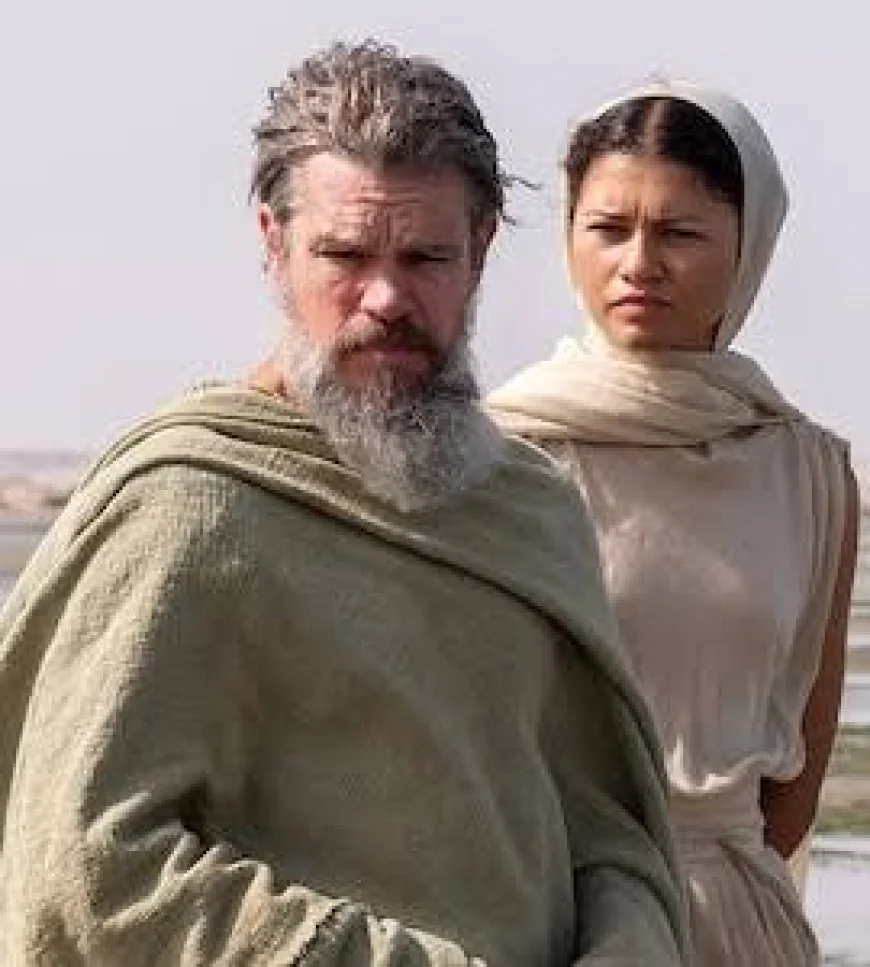
The Backlash Explained: Why Christopher Nolan’s ‘The Odyssey’ Raised Eyebrows A Casting Controversy Gets the Web Buzzing
Christopher Nolan’s film version of Homer’s epic has ignited a cultural firestorm, largely because of its headline-making casting choices. The decision to cast Oscar-winning Kenyan-Mexican actress Lupita Nyong’o in a dual role as Helen of Troy and Clytemnestra was immediately met with fierce online criticism. Critics cited ancient descriptions of Helen as "white-armed", and some commentators and public figures denounced the decision as a form of forced diversity or a break from historical expectations. However, advocates and classical experts noted that The Odyssey is a mythological classic, not an exact history book, and said that ancient epics are naturally open to modern, global reinterpretation.
Representation and Cultural Ownership
But beyond the political talking points, the film was also widely criticised by cultural commentators and journalists in Greece for the total absence of Greek actors in leading roles. Critics argued that a narrative of milestones grounded in Hellenic heritage should not be without direct cultural representation. Simultaneously, the casting of transgender actor Elliot Page created a separate culture-war brouhaha on social media and cable news, underscoring how modern Hollywood casting choices are still a proxy for larger public conversations about identity and tradition.
Stylistic Choices and Contemporary Dialogues
The controversy has not been confined to casting alone. When the first trailers were released, eagle-eyed viewers and critics zeroed in on a handful of stylistic and anachronistic details. Online discussions quickly turned to the characters’ casual, modern American inflections (for example, Tom Holland’s reading as Telemachus) and design decisions (Batman-esque armour and Viking longship-like ships). But in the end, the debate over the movie exposes the more profound, unresolved tensions over who “owns” ancient mythologies and the amount of freedom that modern filmmakers should be allowed to take in adapting them for contemporary audiences.
What's Your Reaction?
 Like
0
Like
0
 Dislike
0
Dislike
0
 Love
0
Love
0
 Funny
0
Funny
0
 Angry
0
Angry
0
 Sad
0
Sad
0
 Wow
0
Wow
0