



























Who Bears the Cost of India’s Green Mobility Transition?
India’s accelerated E20 petrol rollout has delivered savings in crude imports and supported farmer incomes, but it may impose higher fuel and maintenance costs on owners of older vehicles. The article examines whether withdrawing E10 petrol without a phased alternative raises concerns under Article 14.

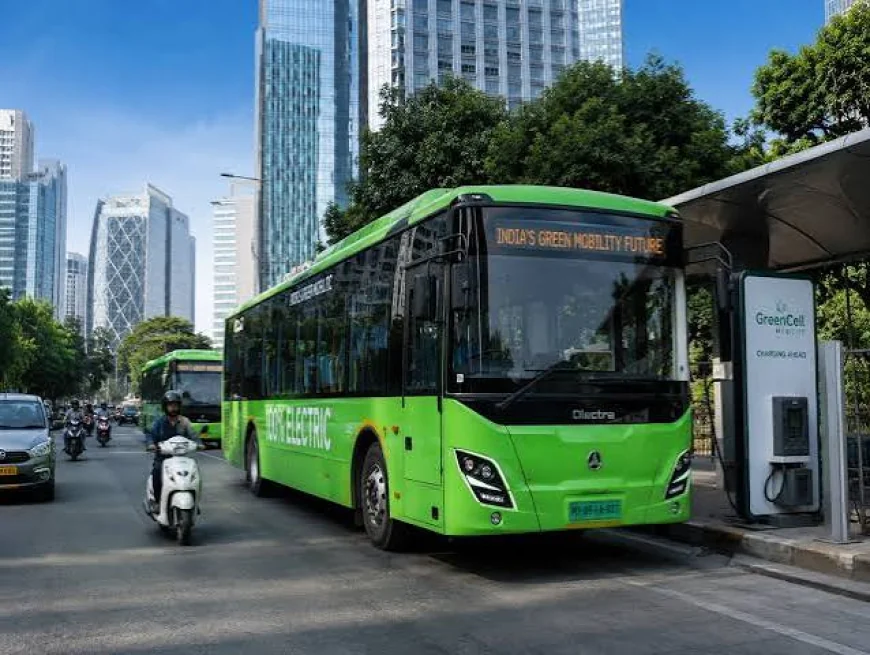
Who Actually Pays for India’s Headlong Rush Into Green Mobility?
India's aggressive push toward alternative fuels has sparked a massive debate over who is quietly footing the bill for the country's rapid green transition. While policymakers love parading the staggering macro-level savings on crude imports and the extra cash funnelling into farmers' pockets through ethanol blending, a glaring equity question gets left behind. When the government sprints years ahead of schedule to roll out high-blend fuels like E20, millions of legacy vehicles built for standard petrol are left stranded in a mismatch that shifts the financial pain straight onto everyday motorists.
The Hidden Financial Drain on Everyday Commuters
The fallout of this hurried transition hits vehicle owners right where it hurts: in the wallet. Official lab metrics concede a marginal efficiency drop, but real-world drivers report a much steeper drop in mileage that translates into bloated monthly fuel tabs. Compounding the pain, high ethanol concentrations chew through rubber gaskets, plastic hoses, and engine seals much faster than conventional petrol.
For wealthy car owners, replacing an eroded fuel hose is a minor annoyance. But for millions of gig workers, delivery riders, and daily wage earners relying on two-wheelers, these recurring repair bills and wasted fuel costs eat a massive hole in meagre monthly earnings. Critics point out that pushing a policy without ensuring the existing vehicle fleet can safely handle the fuel effectively turns ordinary citizens into collateral damage for state climate targets.
The Clash Between Environmental Goals and State Transparency
This friction isn't just about fuel efficiency; it opens up a messy can of worms regarding administrative transparency. When citizens file information requests to inspect the underlying durability data and lab reports used to justify these mandates, they are routinely stonewalled by bureaucratic secrecy. Experts argue that if the state expects vehicle owners to absorb mechanical wear and tear for the "greater good", the government has a fundamental obligation to lay its scientific research out in the open.
At the end of the day, this green mobility scramble highlights a brutal governance dilemma. True sustainability cannot succeed by quietly punishing the most vulnerable segments of society while shielding policymakers from accountability. If the transition is going to work, the state has to figure out a way to chase environmental milestones without tossing everyday commuters under the bus.
What's Your Reaction?
 Like
0
Like
0
 Dislike
0
Dislike
0
 Love
0
Love
0
 Funny
0
Funny
0
 Angry
0
Angry
0
 Sad
0
Sad
0
 Wow
0
Wow
0