



















US Cuts Russian Oil Tariff Threat From 500% to 100%, Offering Relief to India and China
The United States has lowered its proposed tariff on countries buying Russian oil to 100 per cent from 500 per cent, easing worries for big importers like India and China.

This is a significant diplomatic and economic pivot. After months of intense debate and negotiation, the U.S. Senate has introduced a revised sanctions bill that essentially swaps a "hammer" for a more measured approach.
Here is the human reality behind these high-level manoeuvres:
From a "Punitive" Threat to a Measured Pressure
For a long time, there was a looming fear of the 500% tariff that felt like an economic "doomsday" scenario for countries like India and China, which are the world's largest buyers of Russian oil. That original threat was so extreme it risked triggering global market chaos.
The new, revised bill—which has gained momentum following the sudden passing of its primary champion, Senator Lindsey Graham—scales that back to a 100% cap. Think of it as a move from trying to completely break the system to trying to steer it. By softening the blow, lawmakers are acknowledging that they need a solution that has enough "buy-in" from everyone to actually move forward.
Why the "Exit Doors" Matter
The new bill introduces a level of flexibility that was missing before. This isn't just about cold, hard tariffs; it’s about recognising the difficult energy choices many countries have to make.
-
The 15% Exception: Countries that rely on Russian gas for less than 15% of their total imports and are actively trying to lower that number can apply for an exemption. This offers a potential lifeline to allies like Japan, France, Hungary, and Belgium, acknowledging that they are trying to do the right thing while navigating their own domestic energy needs.
-
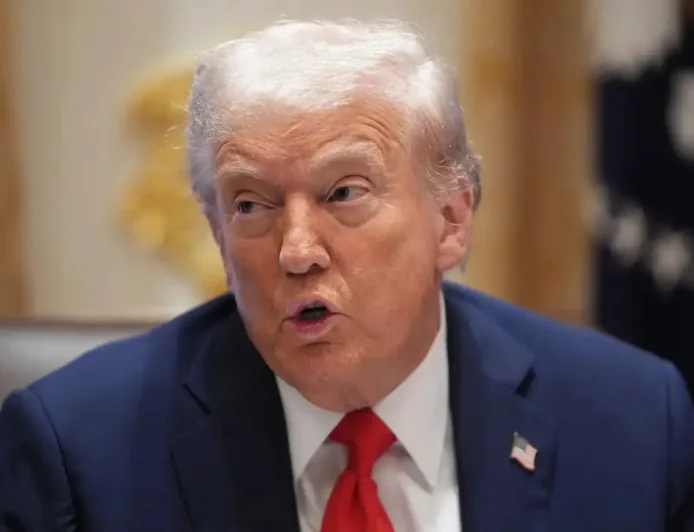
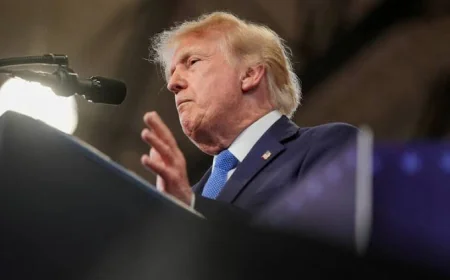
Presidential Discretion: Perhaps most importantly for stability, the bill gives President Trump the power to waive these sanctions if he decides it’s in the U.S. "national interest". It adds a human layer of judgement to a law that would otherwise be rigid and unforgiving.
The Bigger Picture
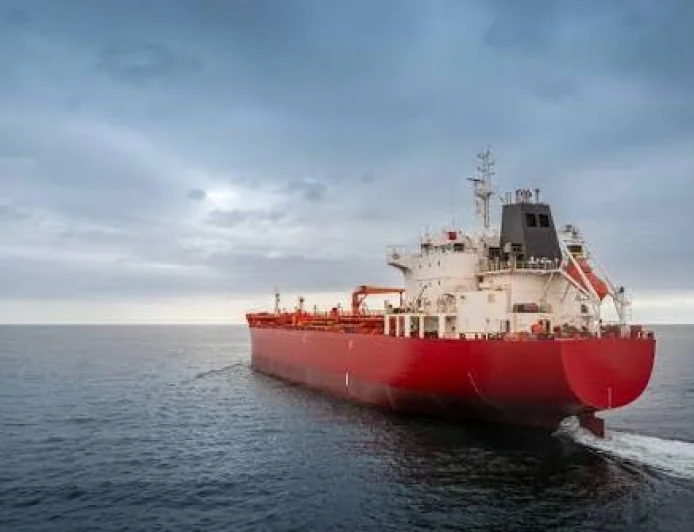
This is ultimately about how the U.S. intends to squeeze Moscow’s war chest without inadvertently hurting its own allies or causing a global energy price spike. By focusing on the "shadow fleet" of tankers—the ships operating in the dark to move Russian oil—and targeting state-owned financial institutions, the U.S. is trying to make it harder for Russia to fund its military operations without shutting down the global energy tap entirely.
For the average person, this means that while the pressure on Russia is intensifying, the risk of a sudden, explosive shock to your local fuel prices has been dialled back for now. It’s a "wait and see" situation, but the shift from a 500% threat to a more targeted 100% approach is a clear signal that the U.S. is opting for practical pressure over total confrontation.
What's Your Reaction?
 Like
0
Like
0
 Dislike
0
Dislike
0
 Love
0
Love
0
 Funny
0
Funny
0
 Angry
0
Angry
0
 Sad
0
Sad
0
 Wow
0
Wow
0