




















US and Iran Exchange Strikes After Two American Soldiers Killed in Jordan
The US and Iran exchanged fresh strikes following the deaths of two American soldiers in an Iranian attack on a military base in Jordan.

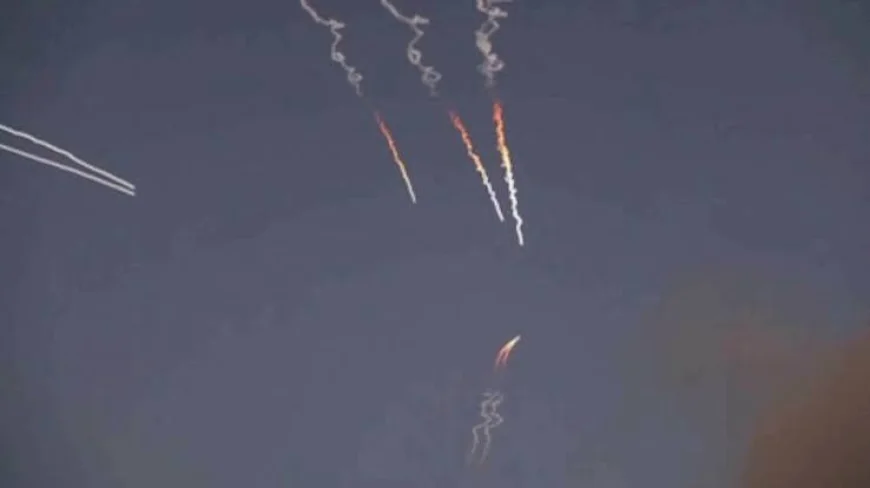
The news emerging from the Muwaffaq Salti Air Base in Jordan this weekend is devastating. For the families of those serving, this is a moment of profound heartbreak the reality that a deployment, with all its inherent risks, has resulted in the ultimate sacrifice.
The Human Cost
Behind the military briefings and the descriptions of "ballistic missile and drone attacks," there are names, lives, and families now facing an irreparable loss. Two U.S. service members were killed in action on Friday, July 17, and a third remains missing, leaving a void that is impossible to fill.
Four other personnel were wounded during the attack and have since been discharged from hospitals in Jordan, while others sustained minor injuries. Out of respect for their loved ones, the names of those lost are being held back until next-of-kin notifications are complete a small, necessary grace during a period of such sudden, intense grief.
A Cycle of Escalation
The attack in Jordan is part of a wider, increasingly dangerous spiral that has shattered the interim peace agreement signed just a month ago. For seven consecutive nights, the region has been trapped in a rhythm of strikes and counter-strikes.
The impact of this fighting is now reaching far beyond military bases. In Kuwait, for instance, Iranian strikes have damaged a water desalination plant and an oil facility, threatening the basic services that civilians rely on daily. In Iran, U.S. airstrikes have hit infrastructure like bridges and power plants, disrupting the lives of thousands of people. The regional tension has left civilians in countries across the Gulf from Bahrain to Saudi Arabia—listening for air raid sirens and wondering when the next impact might come.
The Heavy Price of Impasse
There is a weary, collective anxiety settling over the region. With the collapse of diplomatic talks and both sides signaling a resolve to "stiffen" their stances, the path back to stability feels more distant than ever.
For the families of the 16 U.S. service members lost since the conflict began in February, and for the families in the region living under the shadow of these strikes, the "big picture" of geopolitics and maritime blockades is secondary to the immediate, human need for safety. It is a stark, painful reminder of how quickly the pursuit of regional security can lead to a reality where no one feels secure at all.
As the conflict intensifies, does it feel to you like we are watching a situation spiral beyond the control of those trying to manage it?
What's Your Reaction?
 Like
0
Like
0
 Dislike
0
Dislike
0
 Love
0
Love
0
 Funny
0
Funny
0
 Angry
0
Angry
0
 Sad
0
Sad
0
 Wow
0
Wow
0