
























Trump’s 200% Generic Drug Tariff Plan Could Hurt US Patients More Than Indian Pharma
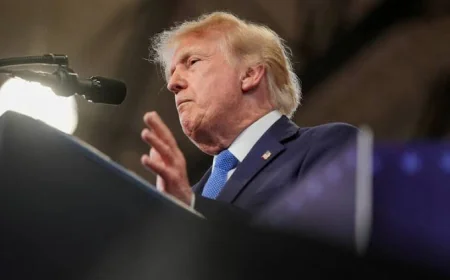
Donald Trump’s proposed 200% tariff on imported generic medicines may disrupt India’s pharmaceutical exports, but experts warn the biggest cost could fall on US healthcare providers, insurers and patients.

A High-Stakes Tariff Gamble on Global Healthcare
The political landscape of international trade has just been shaken by a sweeping new proposal from the White House. The administration has introduced a phased tariff directive targeting imported generic drugs, with duties set to climb from zero to 100% in 2028 before ultimately reaching a staggering 200% by 2029. While billed by policymakers as a bold protectionist push to incentivise domestic manufacturing and bring pharmaceutical production back to American soil, healthcare economists and global industry leaders are sounding the alarm. Rather than strengthening local industry, critics argue this aggressive policy is a reckless gamble that could completely destabilise medical supply chains.
The structured timeline gives manufacturers a temporary reprieve with a 0% tariff window during a two-year transition period. However, once the deadlines pass, the sheer magnitude of a 200% tax on everyday life-saving medicines threatens to fundamentally alter how affordable healthcare is delivered across the Western world.
The Ripple Effect on India's Pharmaceutical Powerhouse
As the undisputed "Pharmacy of the World", India stands right at the epicentre of this geopolitical policy shift. Exporting billions of dollars in pharmaceuticals to the US annually, accounting for nearly 38% of its total global pharma trade, Indian manufacturers supply nearly half of all generic prescriptions filled across American pharmacies. These vital medications range from affordable treatments for diabetes and hypertension to essential oncology drugs.
Yet, industry experts emphasise that replicating India's deeply entrenched, FDA-compliant manufacturing ecosystem inside the United States within a tight two-year window is a logistical impossibility. Building complex biochemical plants, securing skilled labour, and establishing domestic supply chains take years, not months. While some Indian giants operate through US subsidiaries that might soften the immediate blow through transfer pricing buffers, the broader uncertainty has left pharmaceutical executives adopting a nervous wait-and-watch approach. Many view the tariff threat as a high-stakes legislative bargaining chip rather than a practical, long-term operational reality.
Why American Patients Could Bear the Ultimate Cost
Ultimately, the most glaring flaw in this protectionist strategy is who pays the final bill. Generic drugs make up over 90% of all prescriptions dispensed in the US, serving as the financial bedrock that keeps healthcare accessible for millions of working-class families and seniors.
Slapping a 200% tariff on these essential medications without a functioning domestic alternative in place threatens to ignite severe consumer price inflation. Instead of fostering self-reliance, the policy risks triggering widespread medicine shortages, hospital rationing, and inflated insurance premiums. In trying to penalise foreign producers, this costly gamble may ultimately leave American patients paying the highest price of all.
What's Your Reaction?
 Like
0
Like
0
 Dislike
0
Dislike
0
 Love
0
Love
0
 Funny
0
Funny
0
 Angry
0
Angry
0
 Sad
0
Sad
0
 Wow
0
Wow
0