



























Trump Plans Generic Drug Tariffs From 2028, Giving Firms Two Years to Shift Production to US
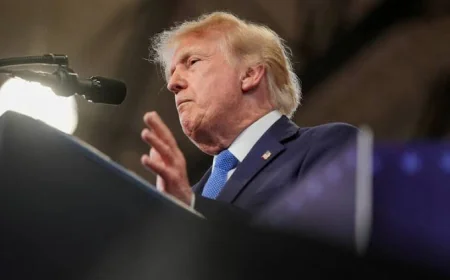
US President Donald Trump is planning tariffs on generic medicines from 2028, offering drugmakers a two-year window to move manufacturing to the United States.

A Phased Push for Domestic Production
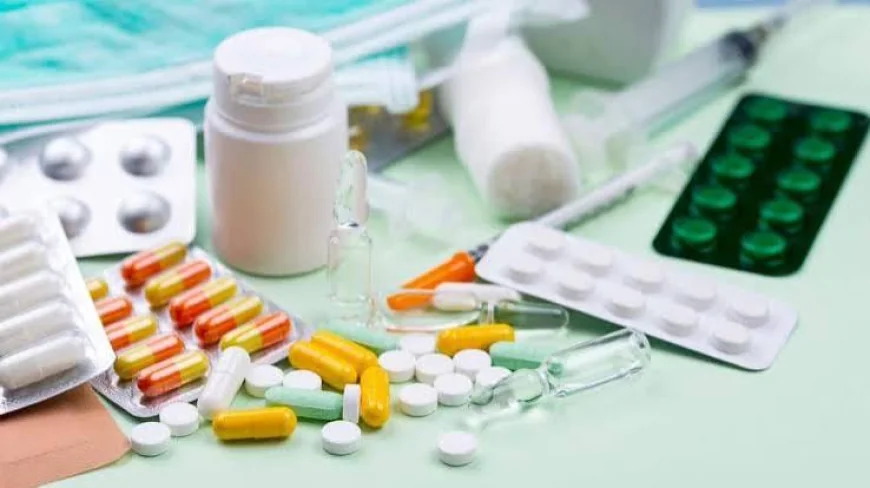
U.S. President Donald Trump has outlined an aggressive new tariff framework aimed at compelling the pharmaceutical industry to shift generic drug manufacturing onto American soil. While earlier measures targeted branded and patented medicines, this latest policy specifically closes the loop on unbranded and generic drugs, which account for the vast majority of filled prescriptions in the United States. Under the newly announced schedule, imported generic medications will enjoy a temporary two-year grace period starting August, during which they will face a 0% tariff. However, that exemption comes with a strict expiration date.
Escalating Timelines and Steep Penalties
Beginning August 2028, the grace period concludes, and a steep 100% tariff will be slapped on all imported generic drugs for a duration of one year. Following that, the penalty doubles to a staggering 200% starting in August 2029. According to statements released by the administration, the phased structure is explicitly designed as a coercive mechanism to force pharmaceutical companies to construct local plants, invest in domestic equipment, and dismantle heavy reliance on foreign supply chains. Major global exporters—particularly nations like India, which supply a massive share of the generic drugs consumed by American patients—now face intense pressure to re-evaluate their long-term operational footprints.
Industry Skepticism and Practical Hurdles
The announcement has triggered widespread debate across the healthcare and economic sectors, with trade groups and analysts questioning the viability of the timeline. Industry experts point out that transferring approved drug portfolios to new domestic facilities requires complex site validation, stability testing, and stringent regulatory sign-offs from the FDA—processes that routinely take years to complete. Furthermore, because generic pharmaceuticals operate on razor-thin profit margins, critics warn that the massive duties could ultimately disrupt supply chains, spike healthcare costs for consumers, and amplify drug shortages. With the harshest tariff phases set to hit just as the presidential term concludes, many stakeholders remain sceptical about whether the full policy will ultimately take root.
What's Your Reaction?
 Like
0
Like
0
 Dislike
0
Dislike
0
 Love
0
Love
0
 Funny
0
Funny
0
 Angry
0
Angry
0
 Sad
0
Sad
0
 Wow
0
Wow
0