


























Trump-Netanyahu talks to focus on Iran as Tehran rejects fresh US negotiations
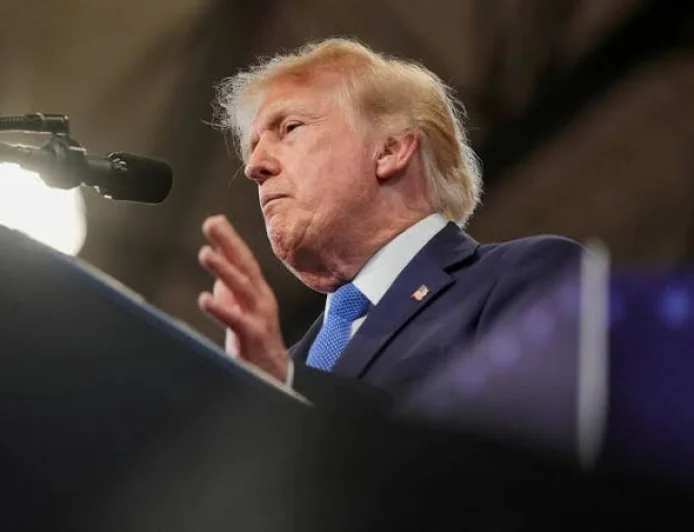
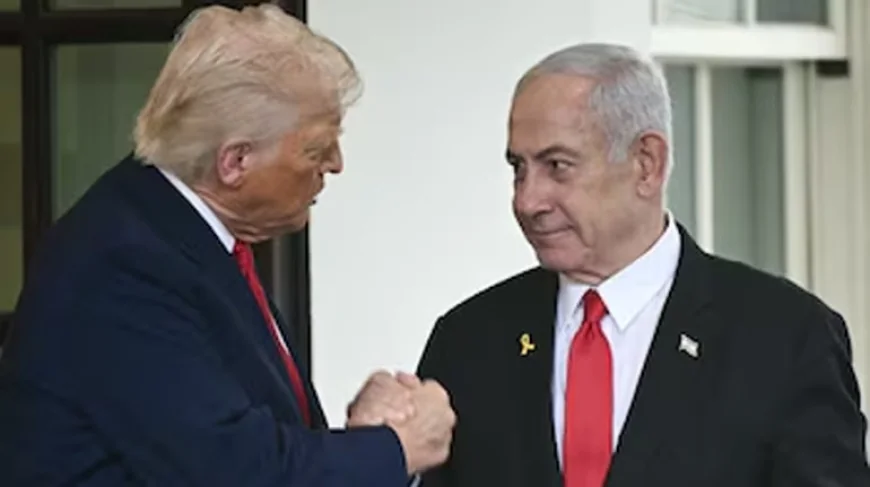
Donald Trump and Benjamin Netanyahu are meeting in Washington with Iran at the center of their agenda after Tehran rejected a fresh US proposal for negotiations.

Regional tensions, top-level meeting
US President Donald Trump and Israeli Prime Minister Benjamin Netanyahu will hold crucial talks in Washington, with Iran expected to dominate the agenda. The meeting takes place amid heightened tensions in the Middle East, with diplomatic efforts to revive dialogue with Tehran still facing significant hurdles. The leaders also are expected to discuss the overall security situation in the region and ways to strengthen cooperation between the U.S. and Israel.
Tehran dismisses new US plan
Ahead of the meeting, Iran rejected a new US proposal for talks on its nuclear programme and regional security issues. Iranian officials said meaningful talks could not take place unless Washington dealt with Tehran’s main concerns, such as sanctions and past commitments. The rejection has further complicated hopes of restarting diplomacy after months of strained relations.
Iran's advancing nuclear programme is likely to be one of the main issues dominating the Trump-Netanyahu talks. Israel has long been worried that Tehran’s nuclear work could threaten regional stability seriously. The U.S. and Israel will likely discuss intelligence sharing, strategic coordination and potential diplomatic or economic measures to prevent the conflict from escalating.
Regional security issues
In addition to the nuclear issue, the two leaders are expected to discuss Iran’s sway across the Middle East. Both countries have long expressed concerns about Tehran’s backing of allied groups in the region and its increasing military capabilities. Discussions could also address recent developments relating to regional conflicts, maritime security and efforts to strengthen alliances with partner nations.
The diplomatic path is unclear.
While Washington has signaled its willingness to pursue diplomacy, Iran’s refusal to enter into new negotiations underscores deep mistrust on both sides. Analysts say chances of a comprehensive deal remain limited without confidence-building measures from both countries. International observers are looking for signals from the Trump-Netanyahu meeting about the future direction of US policy toward Iran.
The outcome of the meeting could have repercussions beyond the Middle East, impacting global energy markets, regional stability and international diplomatic efforts. Any shift in US-Israel strategy toward Iran is likely to be closely monitored by European allies, Gulf nations, and other global powers seeking to prevent further conflict in the region.
What's Your Reaction?
 Like
0
Like
0
 Dislike
0
Dislike
0
 Love
0
Love
0
 Funny
0
Funny
0
 Angry
0
Angry
0
 Sad
0
Sad
0
 Wow
0
Wow
0